China Heavy Duty Steel Bar Grating Manufacturer
This page details the engineering characteristics of heavy duty steel bar grating produced in China for industrial flooring, walkways, and platform applications. Information is organized to help
Request a QuoteHeavy Duty Steel Bar Grating – Manufacturer Overview
This page details the engineering characteristics of heavy duty steel bar grating produced in China for industrial flooring, walkways, and platform applications. Information is organized to help procurement engineers evaluate suitability based on load requirements, environmental conditions, and installation constraints.
Product Overview
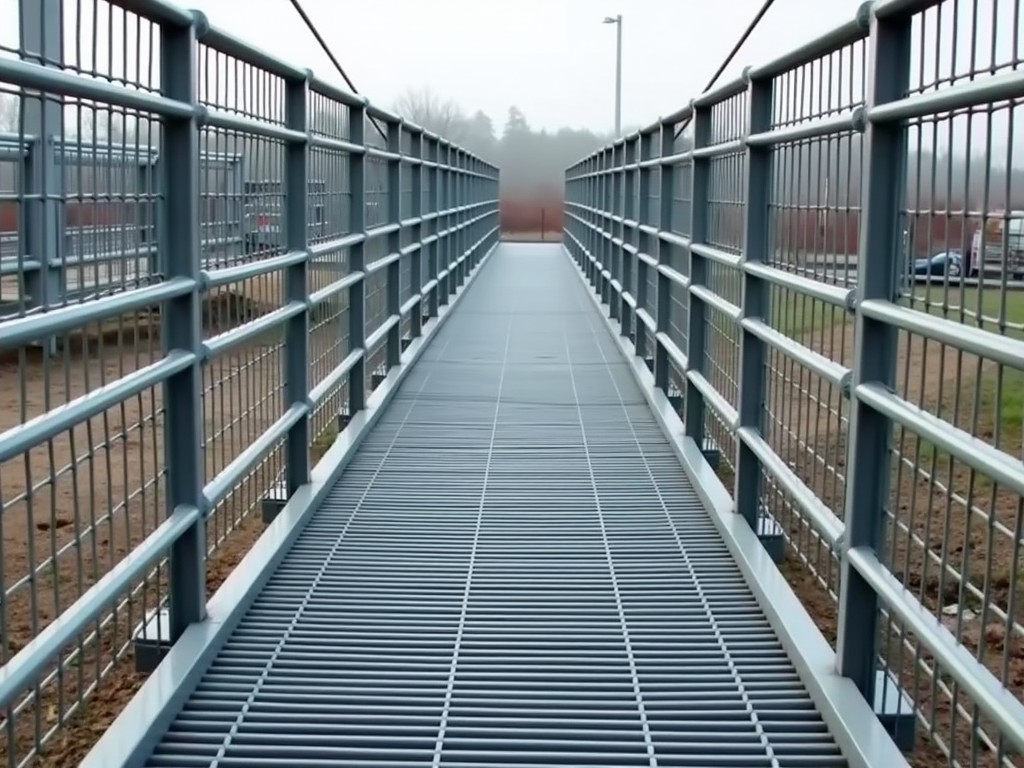
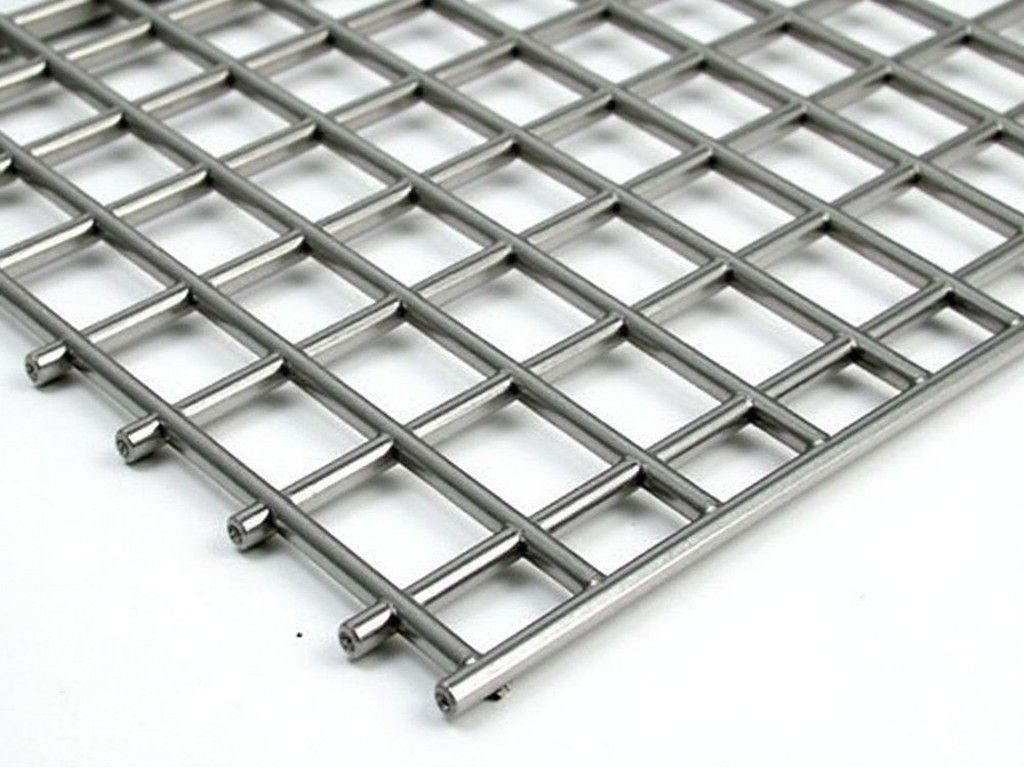
Bar grating consists of load-bearing bars welded or forged perpendicular to cross rods, forming a rigid open grid. The open area facilitates drainage, ventilation, and light passage while maintaining structural integrity under concentrated loads.
Typical configurations use rectangular or I‑shaped bearing bars with thicknesses ranging from 5 mm to 12 mm and bar heights from 25 mm to 75 mm. Cross rods are usually 6 mm to 10 mm diameter, spaced at 38 mm or 50 mm centers depending on load class.
Load Capacity Deflection Limits
Load ratings are expressed as uniformly distributed load (UDL) in kN/m² with a maximum allowable deflection of L/200, where L is the clear span. Values vary with bar size, spacing, and material grade.
| Bar Size (mm) | Spacing (mm) | UDL Capacity (kN/m²) | Typical Applications |
|---|---|---|---|
| 50×5 | 38 | 15 | Light duty walkways, mezzanine floors |
| 75×6 | 38 | 30 | Industrial platforms, stair treads |
| 100×8 | 50 | 55 | Heavy duty truck ramps, loading docks |
| 125×10 | 50 | 80 | Crane runways, heavy machinery bases |
Values above are typical for hot‑rolled carbon steel (Q235B) with a standard mill finish. Higher strength grades (Q345B, ASTM A36) increase capacity proportionally; exact figures are confirmed during project‑specific design review.
Surface Treatment Options
Surface treatment influences corrosion resistance, slip resistance, and appearance. Options are selected based on exposure to moisture, chemicals, or UV.
- Hot‑dip galvanizing (minimum 610 g/m² zinc) – suitable for outdoor and humid environments.
- Powder coating (epoxy or polyester) – provides color coding and additional barrier protection.
- Paint system (primer + topcoat) – used when specific color matching is required.
- Stainless steel cladding (optional overlay) – for high‑chloride or food‑grade areas.
Slip resistance can be enhanced by serrating the bearing bar edges or applying a grit‑embedded coating; slip test results are available upon request.
Customization Logic
Customization begins with load analysis: required UDL, point load, impact factors, and span length. From these inputs, bearing bar dimensions and spacing are selected to satisfy deflection and stress limits.
Additional parameters include panel size (standard widths 914 mm, 1000 mm, 1220 mm; lengths cut to site), banding type (trimmed, welded, or folded), and fastening method (welded studs, saddle clips, or bolted plates).
All custom specifications are documented in a fabrication drawing that includes bar layout, cross rod placement, and edge treatment details before production begins.
Typical Industrial Applications
Heavy duty bar grating is chosen where a combination of strength, open area, and ease of installation is required. The following sections explain why the product suits each sector.
Petrochemical Plants
Platforms and walkways must support personnel, equipment, and occasional impact from dropped tools while allowing hydrocarbon drainage and gas ventilation. Grating with hot‑dip galvanized finish and 38 mm spacing meets these demands.
Power Generation Facilities
Turbine halls and boiler rooms require grating that can withstand vibration, thermal cycling, and occasional fluid spills. I‑shaped bars provide higher moment of inertia, reducing deflection under dynamic loads.
Automotive Assembly Lines
Conveyor pits and maintenance aisors need high load capacity for pallet jacks and robotic arms, plus easy cleaning. Serrated bar edges improve slip resistance in oil‑prone environments.
Quality Assurance Approach
Quality control follows ISO 9001 principles with in‑process checks at cutting, punching, welding, and finishing stages. Each batch receives dimensional verification, weld penetration inspection, and coating thickness measurement.
Mechanical properties of raw bar stock are validated using mill certificates; tensile strength and yield strength are recorded. For projects requiring traceability, heat numbers are linked to final panels.
Load testing on representative samples is performed upon customer request, with results reported as load‑deflection curves.
Packaging and Export Protection
Finished panels are stacked on pallets with edge protectors and secured with steel straps. For overseas shipments, panels are wrapped in water‑resistant film and placed in fumigated wooden crates to meet ISPM‑15 standards.
Packaging details, including pallet dimensions and weight, are provided in the shipping documentation to facilitate customs clearance and inland transport.
Frequently Asked Questions
Can dimensions be customized to match existing structures?
Yes. Panel width, length, bar height, thickness, and spacing are adjusted per project drawings. Custom banding and hole patterns for pipe penetrations are also available.
What information is required before quotation?
Required inputs include load specifications (UDL, point loads), clear span, environmental conditions (indoor/outdoor, chemical exposure), preferred surface finish, and any applicable standards (ASTM, EN, GB).
Which material grades are offered?
Standard offering includes Q235B carbon steel. Optional grades: Q345B, ASTM A36, ASTM A572 Grade 50, and stainless steel types 304/316L upon request.
How is quality inspected before shipment?
Inspection includes visual check for weld defects, dimensional verification with calipers, coating thickness via magnetic gauge, and mechanical test coupons for tensile strength when required.
What packaging methods protect against corrosion during transit?
Panels are coated with a temporary anti‑corrosion oil, wrapped in polyethylene film, and placed on pallets with moisture‑absorbing desiccant packs. Crates are ventilated to prevent condensation buildup.
What is the typical production lead time?
Lead time ranges from 2 to 4 weeks after drawing approval, depending on order volume and surface treatment complexity. Expedited schedules are available for critical projects.
Next Steps
To begin a technical review, please provide your project’s load criteria, span dimensions, and environmental considerations. Our engineering team will return a preliminary grating layout with load‑deflection calculations and a formal quotation.
Submit project details for review