Wholesale Small Chicken Wire Fence Supplier
Small chicken wire fence is a lightweight barrier made from low‑carbon steel wire woven into a hexagonal or square mesh. It is commonly used where a fine, flexible enclosure is needed to contain
Request a QuoteWholesale Small Chicken Wire Fence Supplier
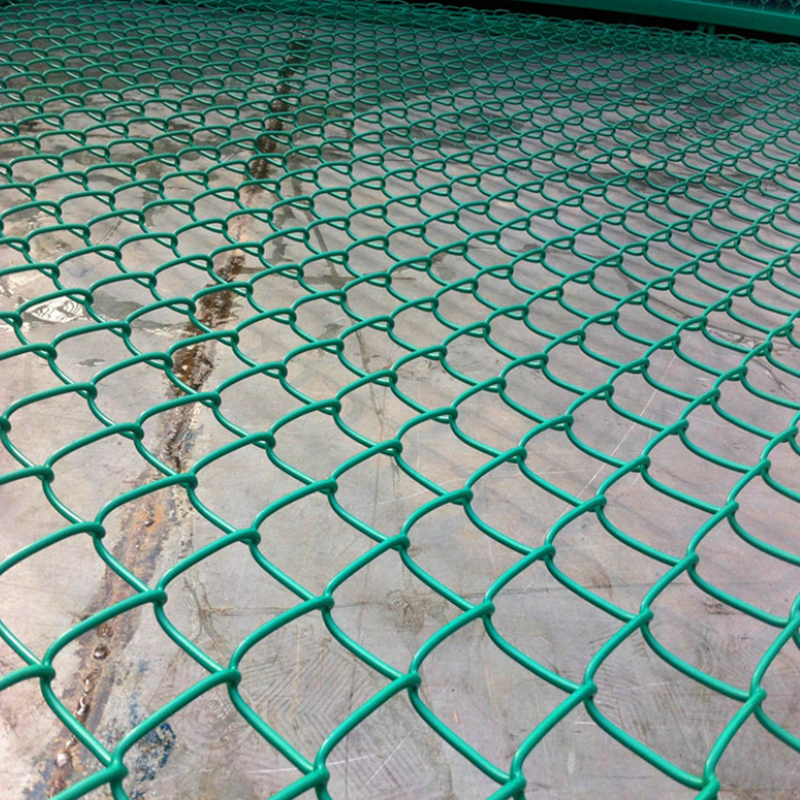
Small chicken wire fence is a lightweight barrier made from low‑carbon steel wire woven into a hexagonal or square mesh. It is commonly used where a fine, flexible enclosure is needed to contain small animals, protect seedlings, or create temporary partitions. Understanding the wire gauge, mesh opening, and coating type helps buyers select a product that matches the mechanical and environmental demands of their application.
Material and Construction
The base material is typically cold‑drawn steel wire with a tensile strength ranging from 350 MPa to 450 MPa, depending on the wire diameter. Wire diameters for small chicken wire usually fall between 0.6 mm and 1.0 mm, providing sufficient flexibility for hand‑rolling while retaining resistance to sag under light loads. The wire is formed into a uniform mesh by interlocking adjacent strands, creating a pattern that distributes force evenly across the sheet.
Mesh Specifications
| Parameter | Typical Range | Notes |
|---|---|---|
| Mesh opening (hexagonal) | 12 mm – 25 mm | Smaller openings prevent chick escape |
| Wire gauge | 22 AWG – 18 AWG (0.6 mm – 1.0 mm) | Thicker gauge increases wind resistance |
| Roll width | 0.6 m – 1.2 m | Standard widths suit most post spacing |
| Roll length | 10 m – 50 m | Custom lengths available on request |
Protective Coatings
To extend service life in outdoor environments, the steel wire is coated before weaving. Hot‑dip galvanization applies a zinc layer of 20 µm to 40 µm, providing sacrificial corrosion protection. For applications requiring color coding or additional UV resistance, a polyvinyl chloride (PVC) overcoat of 30 µm to 50 µm can be applied over the galvanized layer, yielding a total coating thickness of up to 90 µm. Coating uniformity is verified by magnetic thickness gauges on random samples from each production batch.
Typical Applications
- Poultry enclosures where chicks require a fine barrier to prevent escape while allowing ventilation.
- Garden beds to deter small rodents and rabbits from accessing seedlings.
- Temporary construction site fencing to delineate storage zones without obstructing sight lines.
- DIY projects such as craft frames, trellis supports, or decorative screens.
Installation Considerations
Proper tensioning prevents sagging over long spans. Posts made of timber, steel, or PVC should be spaced no more than 2.5 m apart for 1 mm gauge wire; closer spacing is advisable for thinner gauges or higher wind exposure. The mesh is secured to posts using galvanized staples, U‑nails, or zip ties, with a recommended overlap of 50 mm at joints to maintain continuity. Ground clearance of at least 50 mm reduces moisture accumulation at the base, slowing corrosion initiation.
Quality Control & Testing
Each roll undergoes visual inspection for uniform mesh formation and coating continuity. Tensile tests on wire samples verify that the material meets the specified strength range. Coating thickness is measured at five points per square meter using a calibrated magnetic gauge, with acceptance criteria of ≥ 80 % of readings within the target range. Rolls that fail any checkpoint are re‑worked or scrapped before shipment.
Customization Options
- Wire diameter: 0.6 mm, 0.8 mm, 1.0 mm (or intermediate values).
- Mesh opening: 12 mm, 18 mm, 25 mm hexagonal; square options available.
- Coating: hot‑dip galvanized only, galvanized + PVC (various colors), or stainless‑steel wire for harsh environments.
- Roll length: custom lengths from 5 m up to 100 m, subject to production minimums.
Packaging and Shipping
Rolls are wound on sturdy cardboard or plastic cores with an inner diameter of 50 mm to prevent deformation. The outer surface is wrapped in UV‑stabilized polyethylene film to guard against abrasion and moisture during transit. Palletized shipments use standard 1.1 m × 1.1 m pallets, with a maximum stack height of 1.4 m to ensure stability. Each pallet is labeled with product code, roll dimensions, coating type, and batch number for traceability.
Frequently Asked Questions
- Can the mesh size be customized? Yes, both hexagonal and square openings can be adjusted to meet specific containment requirements, subject to tooling availability.
- What information is needed for a quotation? Provide wire gauge, mesh opening, roll width, desired length, coating type, and quantity. Destination port or address helps calculate freight.
- How is coating quality verified? We use non‑destructive magnetic thickness gauges and perform adhesion tape tests on random samples from each batch.
- What packaging options exist for overseas shipments? Rolls can be packed in corrugated cartons, heat‑shrink film, or wooden crates depending on customer preference and handling conditions.
- What is the typical lead time? Standard specifications ship within 10‑15 working days after receipt of purchase order; custom coatings or lengths may extend lead time to 20‑25 days.
Get a Quote
For technical assistance or a detailed quotation, please contact our sales team. Provide your project specifications, and we will respond with a confirmed price, lead time, and sample availability.
Request Quote