Chain Link Fence Manufacturers Technical Performance Analysis
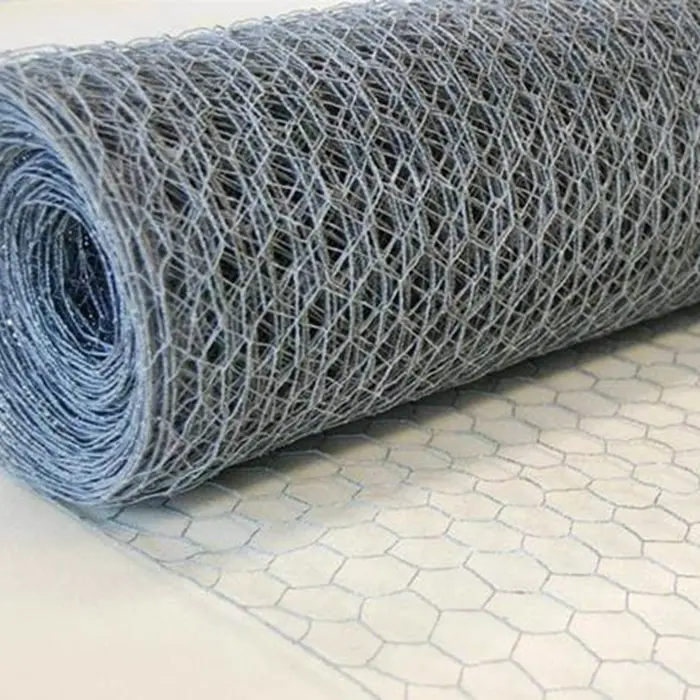
Selecting a perimeter security system often comes down to a balance between visibility, durability, and cost-efficiency. While various materials exist, the structural logic of woven wire remains a primary choice for industrial and agricultural boundaries due to its adaptability to uneven terrain.
The market for boundary protection has shifted from simple containment to integrated security. Buyers are no longer just looking for a physical barrier but are evaluating the long-term corrosion resistance and the technical precision of the weave, which determines the fence's stability under tension.
Understanding the operational capabilities of chain link fence manufacturers is essential for project managers to ensure that the material specifications align with the environmental stressors of the site.
Structural Logic of Woven Wire Boundaries

The fundamental strength of a woven fence lies in the intersection of the wires. In a standard chain link or hexagonal mesh, the wires are twisted around each other, creating a flexible yet stable matrix. This design allows the fence to absorb impact without immediate structural failure, making it ideal for areas prone to wind load or animal pressure.
The geometry of the mesh—whether diamond or hexagonal—affects both the cost of material and the difficulty of penetration. For instance, hexagonal wire mesh, often used in poultry and slope protection, offers a unique balance of flexibility and tensile strength that varies based on the wire diameter, typically ranging from 0.3mm to 2.6mm depending on the coating.
Technical Determinants of Fence Longevity
The lifespan of a metal fence is primarily dictated by the quality of the base metal and the integrity of the surface treatment. Most industrial fences utilize low carbon steel, which provides the necessary ductility for weaving. However, without proper protection, carbon steel is highly susceptible to oxidation, leading to rust and eventual structural collapse.
Precision in the manufacturing process is where experienced chain link fence manufacturers differentiate themselves. The consistency of the wire gauge and the tightness of the weave are critical; gaps in the weave can lead to localized stress points, which accelerate wear and tear when the fence is tensioned across long distances.
Beyond the weave, the edge finishing—whether single-sided, double-sided, or movable side wires—determines how easily the fence can be installed and secured to posts. This detail prevents the mesh from unraveling and ensures a clean, professional installation that maintains its tension over several years.
Material Selection for Harsh Environments
In coastal or high-humidity regions, standard galvanization may not be sufficient. The choice between galvanized wire and PVC coated wire often depends on the specific chemical exposure of the site. Galvanization provides a sacrificial zinc layer, while PVC adds a physical barrier against moisture and salts.
The effectiveness of a perimeter barrier is not measured by its initial strength, but by its rate of degradation. A PVC-coated system effectively extends the maintenance cycle by preventing the underlying steel from contacting corrosive airborne particulates.
For specialized applications like slope protection or gabion nets, larger mesh sizes are employed to allow for the integration of rocks and vegetation. These systems rely on the flexibility of the hexagonal net to contour to the natural landscape, preventing soil erosion while maintaining the structural integrity of the embankment.
Performance Index by Coating Type
Evaluating the suitability of a fencing material requires a look at relative performance indices. While galvanized steel is highly efficient for dry, inland environments, its performance drops in acidic or saline conditions. Conversely, PVC coating offers superior corrosion resistance but may be subject to UV degradation over decades if not stabilized.
By analyzing these factors, procurement officers can determine the optimal material based on a "Value Index" that considers initial cost versus expected replacement frequency.
Figure 2. Relative Suitability Index for Fencing Materials
Application Scenarios and Load Requirements
In a typical agricultural setting, such as poultry farming, the primary requirement is the exclusion of predators and the containment of livestock. Here, hexagonal wire netting with smaller meshes is the standard. The focus is on flexibility and cost, as these fences are often installed in large quantities across varied terrain.
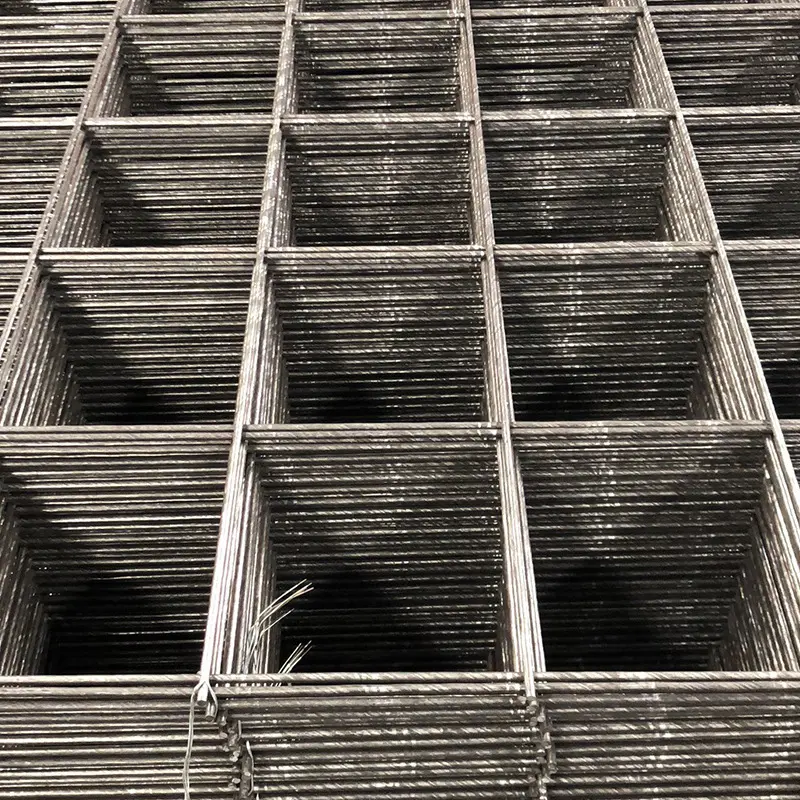
In contrast, industrial sites require higher security thresholds. This leads to the use of 358 anti-climb mesh or welded wire mesh, where the aperture is too small for finger or toe holds. For these scenarios, the engineering focus shifts from simple weaving to high-precision welding and powder coating to withstand attempted breaches and urban pollution.
Evolution of High-Security Mesh Standards
The perimeter security industry is moving toward "intelligent barriers." This involves combining physical mesh—such as razor wire or welded mesh—with electronic sensor systems. The role of the physical fence is no longer just to stop an intruder, but to delay them long enough for security personnel to respond.
Technological advancements in powder coating and galvanizing have allowed for fences that maintain a high aesthetic appeal while providing industrial-grade protection. This is particularly evident in urban landscaping and noise barrier projects, where the fence must blend into the environment without sacrificing strength.
Modern production facilities, like those utilized by professional chain link fence manufacturers, now employ dedicated workshops for stamping, welding, and powder coating. This modular approach ensures that custom requirements—such as specific mesh sizes for high-risk zones—can be met with consistent quality control.
Comparative Framework for Fence Selection
Choosing the correct fencing system requires a trade-off analysis between security level, environmental resistance, and installation complexity. A fence that is too rigid may fail under ground movement, while one that is too flexible may be easily breached.
The selection process should start with the primary threat model: is the goal to keep small animals in, keep humans out, or prevent slope erosion? Each of these goals points toward a different wire geometry and coating specification.
The following table provides a comparative overview of common metal fencing types based on their typical operational application and relative suitability.
| Fence Type | Primary Use Case | Resistance Level | Flexibility |
|---|---|---|---|
| Hexagonal Mesh | Poultry/Agriculture | Low to Medium | High |
| Chain Link | Industrial/Residential | Medium | Medium |
| Welded Wire | Security/Commercial | High | Low |
| 358 Anti-Climb | High-Security Zones | Very High | Very Low |
| Gabion Mesh | Slope Protection | Medium (Structural) | High |
| Razor Wire | Military/Prisons | Maximum Deterrent | Medium |
Questions & Answers
Galvanized fencing is treated with a zinc coating to prevent rust through sacrificial protection. PVC coated fencing features a plastic layer over the metal, which provides a more robust physical barrier against moisture, salt, and chemical corrosion. PVC is generally preferred for coastal areas or environments where aesthetics and extreme corrosion resistance are required, whereas galvanization is a cost-effective solution for standard industrial use.
The wire gauge depends on the size of the animals being contained and the external pressure expected. For small poultry, a thinner gauge (0.3mm to 1.0mm) is usually sufficient. For larger livestock or areas where predators are a concern, a thicker wire (up to 2.0mm or 2.6mm for PVC coated) is necessary to prevent the mesh from being torn or pushed over. Always balance the gauge with the mesh aperture size.
Hexagonal mesh is highly flexible, allowing it to mold to the irregular contours of hillsides and seawalls. This flexibility, combined with high tensile strength, enables it to hold rocks and soil in place (as in gabions) without breaking under the shifting pressure of the earth. Its open structure also allows for natural vegetation to grow through the mesh, further stabilizing the slope.
Anti-climb fences, such as the 358 mesh, utilize extremely small apertures and high-tensile welded wires. The gaps are designed to be too small for a human finger or toe to gain a grip, and the wires are too thick to be easily cut with manual pliers. This removes the leverage points typically found in standard chain link fences, significantly increasing the time and effort required for unauthorized entry.
Yes, woven wire fences—especially chain link and hexagonal mesh—are ideal for uneven ground because they are flexible. Unlike rigid panel fences, woven mesh can be draped and tensioned to follow the rise and fall of the terrain. However, the stability of the fence will still depend on the depth and spacing of the supporting posts to ensure it does not sag over time.
Quality is determined by the precision of the weaving or welding machines and the purity of the raw steel. Professional manufacturers use dedicated workshops for each stage—wire drawing, weaving, coating, and quality control. This ensures that every roll of mesh has uniform tension and a consistent coating thickness, which prevents premature failure at the joints or edges.
Final Thoughts
The selection of a perimeter system is a technical decision that requires an understanding of the intersection between material science and environmental application. Whether opting for the flexibility of hexagonal wire or the rigidity of welded security mesh, the priority should always be the long-term structural integrity and corrosion resistance.
By partnering with experienced chain link fence manufacturers, project managers can ensure that they are not just buying a product, but implementing a solution tailored to the specific physical and security demands of their site.