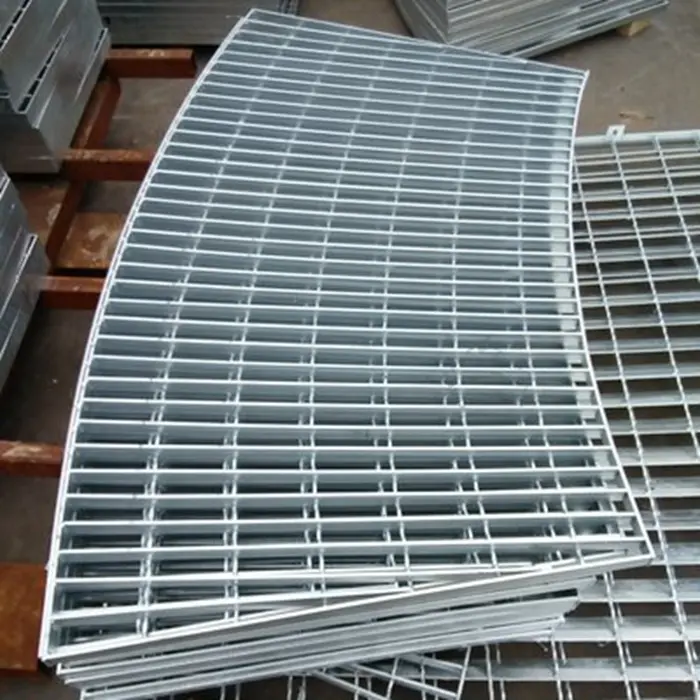
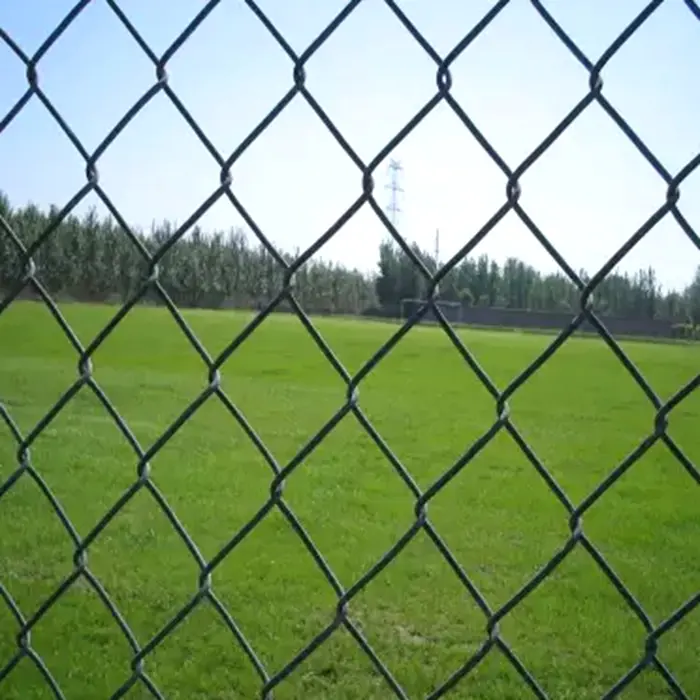
pvc coated welded wire mesh Technical Performance Analysis

Selecting a perimeter barrier often comes down to a trade-off between structural rigidity and environmental endurance. While raw steel provides the strength, it remains vulnerable to oxidation, especially in humid or coastal regions.
The integration of polymer coatings has shifted how industrial and agricultural sectors approach long-term security. By combining the mechanical stability of welded grids with the chemical resistance of plastics, engineers have created a solution that mitigates the high maintenance costs associated with traditional metal fencing.
This technical analysis examines the performance metrics and selection logic for pvc coated welded wire mesh, exploring how the dipping process enhances service life across diverse climatic zones.
The Mechanics of Polymer-Coated Steel

At its core, the product utilizes high-quality low-carbon steel wire, which provides the necessary tensile strength to maintain structural integrity under tension. The welding process creates a rigid grid that resists deformation, making it superior to woven alternatives in high-security applications.
The critical enhancement comes from the high-temperature automatic production line where the mesh is dip-coated with PVC, PE, or PP powders. This creates a continuous, seamless plastic film that encapsulates the metal, isolating it from moisture, salt, and oxygen.
Technical Specifications of the Dipping Process
The dipping process is not merely a surface spray; it is a thermal bonding operation. By immersing the welded grid into molten polymer powder at controlled temperatures, the coating adheres to the steel at a molecular level. This ensures that the protective layer does not peel or flake when the mesh is bent or transported over rough terrain.
Standard configurations typically range from mesh apertures of 6mm to 50mm, with wire diameters between 1.2mm and 2.4mm. These variations allow for precise tuning of the fence's permeability and strength, depending on whether the objective is to contain small livestock or secure a highway perimeter.
Beyond protection, the polymer layer allows for aesthetic customization. Colors such as grass green, black green, sky blue, and golden yellow are frequently used to help the fence blend into the surrounding landscape, reducing visual pollution in community guardrails or nature reserves.
Corrosion Mitigation Strategies
Metal oxidation is the primary failure point for outdoor fencing. Standard galvanization provides a sacrificial layer of zinc, but in highly acidic or saline environments, this layer can deplete rapidly, leading to red rust that compromises the mesh's structural stability.
The application of a PVC coating creates an impermeable barrier that provides multi-layered protection: the plastic inhibits water penetration, while the internal steel maintains the load-bearing capacity, effectively extending the product's operational lifespan by several decades.
This synergy is particularly vital for "closed nets" used in railway and highway infrastructure. These installations are exposed to constant vibration and airborne pollutants. A plastic-impregnated surface prevents the metal from reacting with these chemicals, ensuring the barrier remains functional without requiring frequent repainting.
Comparative Performance Index
When evaluating fencing materials, procurement officers often use a qualitative index to weigh cost against durability. While raw welded wire is the most affordable, its failure rate in outdoor environments is high. PVC-coated options occupy a middle ground, offering a significant increase in lifespan for a moderate increase in initial investment.
The following index illustrates the relative suitability of different coatings based on standard industry performance markers, focusing on UV resistance, corrosion inhibition, and installation flexibility.
Figure 2. Relative Performance Index of Mesh Coatings
Deployment Scenarios and Practical Use
The versatility of pvc coated welded wire mesh allows it to be deployed in diverse settings. In agricultural contexts, it serves as a robust cattle or poultry fence that resists the corrosive effects of animal waste. In urban environments, it is utilized for community guardrails and window fences where a clean, non-discoloring appearance is required.
Industrial applications often integrate this mesh into machine guards or as a structural component in thermal insulation systems for high-rise residential buildings. When combined with polystyrene boards in outer wall molds, the galvanized and coated grid ensures the insulation board and the concrete wall are integrated into a single, stable entity.
Environmental Adaptability and Future Trends
One of the most significant advantages of polymer-coated mesh is its adaptability to terrain. Unlike rigid concrete walls, the grid structure is concise and practical, allowing for installation in mountainous, sloping, or multi-bending areas without compromising the fence's structural integrity.
As sustainability becomes a priority in construction, the industry is moving toward more UV-stable polymers that reduce the frequency of replacement. The focus is shifting from simple protection to "intelligent" coating systems that can withstand extreme temperature fluctuations without cracking.
Moreover, the demand for customizable security solutions is rising. By integrating different types of mesh—such as combining a PVC coated base with razor wire or anti-climb panels—developers can create tiered security zones tailored to the specific risk profile of a facility.
Selection Framework for Procurement
Choosing the right mesh requires a balanced analysis of environmental exposure and required security levels. A common error in procurement is selecting based solely on price, neglecting the long-term cost of corrosion-related failure.
Prospective buyers should evaluate the wire diameter and mesh size against the intended use. For example, a tighter mesh (6-10mm) is necessary for animal containment, while a wider mesh (30-50mm) is sufficient for general boundary demarcation and highway isolation.
The following table provides a comparative framework to help project managers align the product specification with the operational environment.
| Environment | Critical Requirement | Recommended Coating | Relative Suitability |
|---|---|---|---|
| Coastal/Marine | Salt-spray resistance | Thick PVC/PE | Very High |
| Agricultural | Chemical/Waste resistance | PVC (Grass Green) | High |
| Urban/Public | Aesthetics/Low-Maintenance | PVC (Black/Blue) | High |
| Industrial Guard | Impact/Wear resistance | Heavy-duty PE | Medium |
| Highland/Mountain | Terrain Flexibility | PVC Welded Grid | Very High |
| Internal Partition | Cost Efficiency | Light Galvanized | Medium |
Questions & Answers
PVC coating is typically applied via a dipping process, creating a thicker, more flexible plastic layer that completely encapsulates the wire. Powder coating is a thinner, baked-on finish. While powder coating offers a very smooth finish, PVC coating generally provides superior impact resistance and a more robust barrier against moisture and salt, making it more suitable for heavy-duty outdoor environments.
Yes, but the specific polymer choice matters. PVC is excellent for general use, while PE (Polyethylene) may be preferred in environments with extreme cold to prevent the coating from becoming brittle. Modern automatic production lines ensure the coating is thermally bonded, which significantly reduces the risk of cracking during thermal expansion and contraction cycles.
The lifespan depends on the environment and coating thickness. In a standard temperate climate, a high-quality PVC coated welded mesh can last 20 to 30 years without significant degradation. In harsh coastal environments, this may decrease, but it will still vastly outperform raw or lightly galvanized steel, which may begin to rust within a few years.
High-quality PVC coatings are formulated with UV inhibitors to prevent discoloration. While all polymers experience some degradation over decades of direct sun exposure, a professional dip-coating process ensures that the colors—such as grass green or black—remain stable and vibrant far longer than traditional paint.
Selection depends on the "intrusion risk." For general boundary marking, 1.2mm to 1.6mm is usually sufficient. For security-critical areas where the fence must resist cutting or forceful impact, 2.0mm to 2.4mm is recommended. Heavier wire diameters increase the rigidity of the mesh and make it significantly harder to penetrate.
Absolutely. Because the welded wire mesh provides a stable, rigid top rail, it is an ideal base for installing Concertina Razor Wire, Barbed Wire, or customized security brackets. The PVC coating ensures that the main body of the fence remains corrosion-free even while supporting heavy security attachments.
Final Thoughts
The transition toward polymer-coated steel represents a pragmatic shift in infrastructure management. By prioritizing the prevention of oxidation over simple structural mass, pvc coated welded wire mesh solves the perennial conflict between durability and maintenance costs.
Whether deployed as a community guardrail, an industrial barrier, or a specialized agricultural fence, the value of the product lies in its ability to adapt to the environment while maintaining a consistent security profile. For long-term projects, investing in a thermally bonded polymer coating is the most effective way to ensure operational longevity.