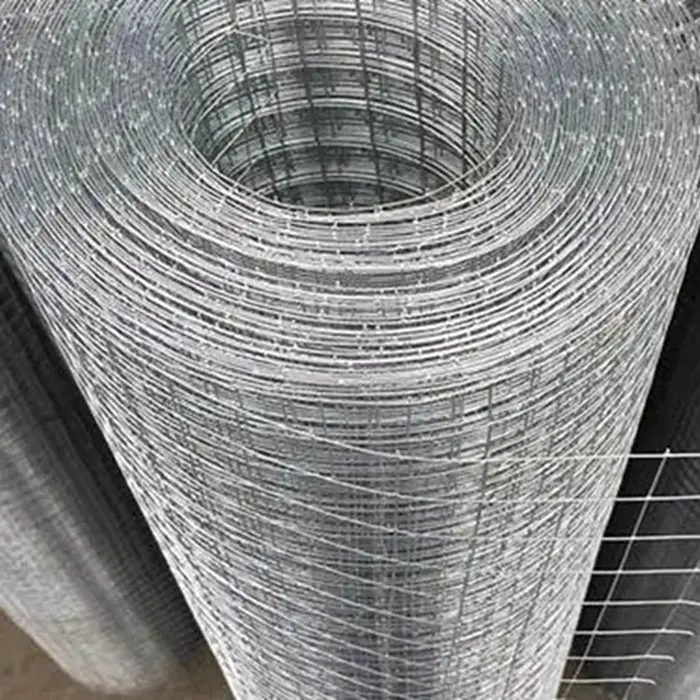
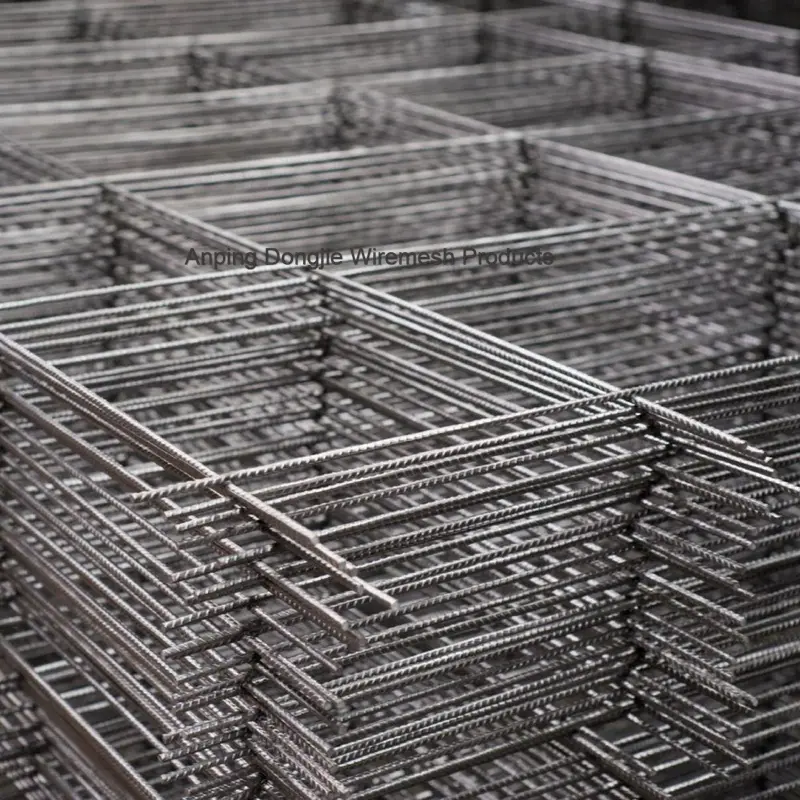
galvanized chain link fence Technical Performance Analysis
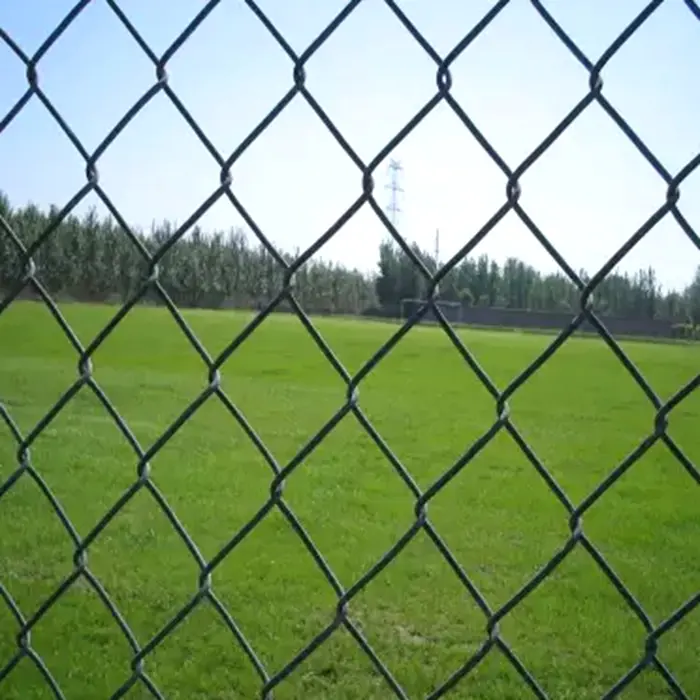
Selecting a perimeter boundary requires a balance between visibility, strength, and environmental resilience. For many industrial and residential projects, the diamond-patterned weave of a chain link system offers a versatile compromise that minimizes visual obstruction while maintaining a secure barrier.
The primary challenge in long-term fence installation is corrosion, particularly in humid or coastal regions. This is where the chemical composition of the coating becomes the deciding factor in the lifecycle of the asset, shifting the focus from mere physical strength to metallurgical stability.
By analyzing the technical specifications of a galvanized chain link fence, stakeholders can better predict maintenance cycles and ensure that the chosen material aligns with the specific environmental stressors of their site.
Structural Mechanics of Diamond Weaving

The stability of a chain link fence relies on its "diamond guardrail" geometry. Unlike welded mesh, which is rigid, the woven structure allows for a degree of flexibility and tension distribution. Each wire is processed into a flat spiral and then spirally crocheted, creating a uniform mesh that does not sag or roll up at the bottom when properly tensioned.
This weaving method ensures that the mesh can absorb kinetic energy from impacts without immediate catastrophic failure. When utilizing low-carbon steel wire as the base, the result is a fence that combines structural integrity with ease of installation, making it a preferred choice for wide-area enclosures.
Zinc Coating Technologies and Corrosion Logic
Galvanization is not a single process but a spectrum of protective treatments. Electro-galvanizing provides a thin, smooth layer of zinc suitable for indoor or low-moisture environments. In contrast, hot-dip galvanizing involves immersing the steel in molten zinc, creating a significantly thicker layer that provides sacrificial protection—meaning the zinc corrodes instead of the underlying steel.
For projects requiring maximum longevity, such as tennis courts or road green belts, a PVC coating is often applied over the galvanized layer. This dual-layer approach combines the chemical protection of zinc with the physical and UV protection of polymers, extending the service life to over a decade even in harsh climates.
The efficiency of these coatings is measured by their ability to maintain a sealed surface across the weave. If the zinc layer is inconsistent, moisture can penetrate the "crochet" points, leading to localized oxidation and premature structural weakness.
Material Selection for High-Stress Environments
The choice of base wire determines the fence's reaction to external pressures. Low-carbon steel is the standard for general security due to its balance of cost and strength. However, for marine environments or high-salinity areas, stainless steel or zinc-aluminum alloy wires are employed to prevent rapid pitting.
The longevity of a fence system is determined more by the interaction between the wire metallurgy and the environmental pH than by the thickness of the wire alone.
In engineering projects like mountain protection, the air-permeable nature of the mesh is utilized to fix rocks. By combining this mesh with green grass seeds, the structure achieves a "self-curing" effect, where biological growth reinforces the mechanical stability of the slope.
Performance Indices Across Mesh Sizes
Mesh aperture size, such as the common 50x50mm configuration, directly impacts both the security level and the wind load of the installation. Smaller apertures offer higher security against small animal intrusions but increase the "sail effect" during high winds, which can put undue stress on the support posts.
Evaluating these systems requires a qualitative assessment of their suitability for different roles. For example, a sport fence requires high flexibility and visibility, whereas a construction site fence prioritizes rapid deployment and basic deterrence.
Figure 2. Relative Suitability Index by Application
Specialized Application Scenarios
Beyond standard boundaries, the flexibility of chain link mesh allows it to be converted into gabion containers. By filling these box-shaped containers with rocks, the mesh becomes a heavy-duty tool for flood control, seawall support, and river course stabilization. This transformation from a simple fence to a civil engineering component highlights the material's structural versatility.
In urban environments, these systems are frequently used for road green belt protection and as conveyor nets for mechanical equipment. The ability to customize the wire diameter—from thin redrawn wire to thick hot-dip galvanized steel—allows a single product category to serve both interior decoration and high-security industrial needs.
Evolution of Security Mesh Standards
As security requirements evolve, the industry has moved toward integrated fencing solutions. While a standard chain link fence provides an effective deterrent, high-security zones now often integrate razor wire or 358 anti-climb mesh to address specific vulnerabilities.
The trend is shifting toward "smart boundaries" where the physical mesh is paired with sensor technology. However, the fundamental requirement remains a reliable, corrosion-resistant base. The use of ISO-certified manufacturing processes ensures that the mesh holes are uniform and the surface is smooth, reducing the risk of snagging and premature wear.
Modern production now emphasizes the reduction of construction periods. Advanced machinery allows for wider web widths and thicker wire diameters without sacrificing the uniformity of the diamond pattern, enabling faster roll-out for large-scale infrastructure projects.
Comparative Analysis of Fencing Solutions
When deciding between a galvanized chain link system and a welded wire mesh, the primary trade-off is between flexibility and rigidity. Welded systems offer higher static strength and a cleaner aesthetic, but they are more prone to permanent deformation under impact.
Conversely, the chain link structure is more forgiving and easier to repair; a damaged section can often be patched without replacing the entire panel. This makes it economically superior for areas prone to accidental impact, such as school playgrounds or sports venues.
The following framework evaluates these systems based on typical project requirements, helping procurement officers align their choice with the operational reality of the site.
| Evaluation Factor | Chain Link (Galvanized) | Welded Wire Mesh | 358 Anti-Climb |
|---|---|---|---|
| Installation Speed | High (Roll-out) | Medium (Panel) | Medium (Panel) |
| Impact Resilience | Excellent | Moderate | High |
| Corrosion Resistance | High (if Hot-Dip) | Moderate | High |
| Visual Permeability | Excellent | Good | Low |
| Cost Efficiency | Optimal | Moderate | Premium |
| Security Level | Basic-Medium | Medium | Extreme |
Questions & Answers
Electro-galvanizing uses an electrical current to apply a thin zinc layer, resulting in a bright, smooth finish ideal for indoor use or short-term projects. Hot-dip galvanizing involves dipping the steel into molten zinc, creating a much thicker, more rugged coating. For outdoor applications, hot-dip is significantly superior as it provides a thicker sacrificial barrier that resists rust for many years longer than electro-galvanized alternatives.
Mesh size determines the "open area" percentage of the fence. A larger aperture (e.g., 50x50mm) allows more air to pass through, reducing the wind load on the posts and tension wires. Smaller apertures increase the surface area, which can cause the fence to act like a sail during storms, potentially leading to post lean or structural failure if the foundation and gauge of the wire are not increased to compensate.
Yes, this is a common application in civil engineering. The air-permeable nature of the galvanized chain link fence allows it to be pinned against a slope to secure rocks and prevent landslides. To enhance this, the mesh is often sprayed with grass seeds. As the vegetation grows through the diamond apertures, the root systems intertwine with the wire, creating a bio-mechanical reinforcement that stabilizes the soil naturally.
In coastal areas, standard galvanization may fail quickly due to salt-induced corrosion. The best choice is typically a hot-dip galvanized wire with an additional PVC coating or the use of stainless steel wire. The PVC layer acts as a primary shield against salt spray, while the underlying galvanization provides secondary protection if the plastic is scratched, ensuring the structural core remains intact.
The diamond weave is preferred for sports courts because of its flexibility and energy absorption. When a ball or a player hits a chain link fence, the weave shifts slightly, absorbing the impact. A welded square mesh is rigid; it transmits the force directly to the posts and is more likely to dent or warp permanently upon high-velocity impact, making it less durable for active athletic environments.
Repair is possible when damage is localized (e.g., a cut wire). However, replacement is necessary when "red rust" appears extensively across the weave, indicating that the zinc coating has been fully depleted. If the wires feel brittle or show signs of widespread pitting, the structural integrity is compromised, and the fence no longer provides a reliable security barrier.
Final Thoughts
The utility of a galvanized chain link fence extends far beyond simple boundary marking. From its role in critical civil engineering projects to its reliability in high-traffic sports venues, the system's value lies in its adaptability and the science of its protective coatings.
Ultimately, the success of a perimeter installation depends on aligning the wire gauge, coating type, and mesh aperture with the specific environmental and security demands of the site. By prioritizing metallurgical quality over initial cost, operators can ensure a long-term asset that requires minimal maintenance.