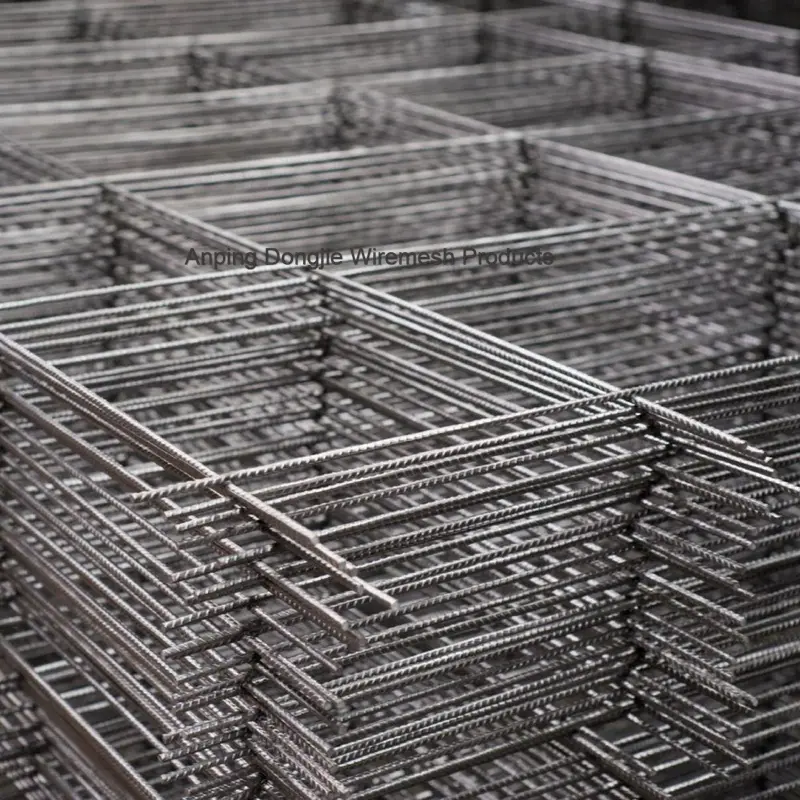
3d curved wire mesh fence Technical Specifications and Performance Analysis
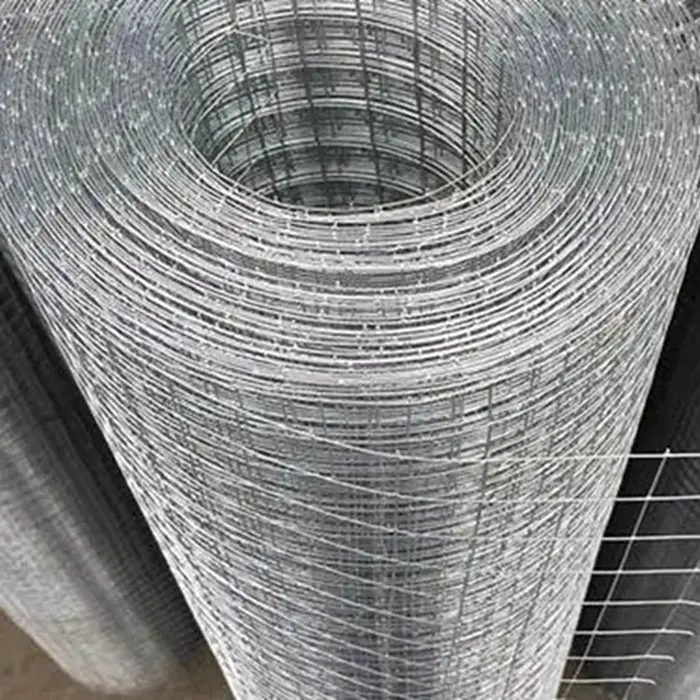
Selecting a security perimeter often requires a balance between structural rigidity and visual integration. Standard flat panels frequently fail to address the dynamic stresses of high-impact zones or the aesthetic requirements of modern architectural landscapes.
The shift toward three-dimensional geometry in security fencing is not merely a stylistic choice but a technical evolution aimed at increasing lateral strength and deterring unauthorized access through enhanced panel stability.
In this analysis, we examine the technical specifications and practical implementation of the 3d curved wire mesh fence, exploring how its unique form factor addresses common vulnerabilities found in traditional linear fencing systems.
Structural Geometry of 3D Mesh

The "3D" aspect of these fences refers to the integration of horizontal V-shaped bends into the mesh panels. Unlike traditional 2D welded mesh, which is susceptible to bowing under pressure, the curved geometry acts as a structural rib. This design distributes external force across a wider area of the panel, significantly reducing the likelihood of permanent deformation.
From a physics perspective, the curvature transforms the panel into a semi-rigid shell. This allows the fence to maintain its integrity even when subjected to lateral impacts or attempts to climb, as the bends provide inherent resistance to bending and twisting.
Engineering the Weld Points
The strength of any welded wire system depends entirely on the quality of the intersection bonds. In a 3D curved system, the welding process must account for the varying angles of the wire as it transitions into the curved section. Precision welding ensures that there are no weak points at the apex of the bends, where stress is typically most concentrated.
Industrial-grade production typically utilizes automated resistance welding, which creates a molecular bond between the intersecting wires. This ensures that the mesh remains permanent and impossible to break without extreme force. The consistency of these weld points is what prevents "unzipping" of the mesh when a section is compromised.
Furthermore, the spacing of the mesh—whether square or rectangular—plays a critical role. Rectangular designs are often employed when greater strength is required in one specific direction, whereas square mesh provides a versatile, balanced resistance suitable for a wide array of security applications.
Material Selection and Corrosion Resistance
Material choice is the primary determinant of a fence's operational lifespan. In humid or coastal environments, carbon steel is highly susceptible to oxidation, which can compromise the structural integrity of the weld points over time.
For maximum longevity and aesthetic consistency, hot-dip galvanizing is the preferred industry standard as it provides a thick, protective zinc layer that effectively hides weld seams and prevents rust penetration.
In specialized sectors, such as pharmaceutical production or food processing, where hygienic standards are non-negotiable, stainless steel welded mesh is the only viable option. Stainless steel offers inherent corrosion resistance without the need for additional coatings, ensuring the perimeter remains sterile and rust-free regardless of environmental exposure.
Comparative Stability Analysis
When evaluating different fencing types, the "Stiffness-to-Weight Ratio" is a key metric. 3D curved panels outperform flat panels because they provide similar or greater rigidity with less total material. This efficiency reduces the load on the supporting posts while increasing the overall stability of the perimeter.
The following index illustrates the relative performance of various wire mesh configurations across five critical technical dimensions: rigidity, climb-resistance, installation speed, corrosion lifespan (galvanized), and impact absorption.
Figure 2. Performance Index of Wire Mesh Systems
Operational Deployment Scenarios
In a typical industrial setting, such as a warehouse perimeter or a municipal transportation hub, the primary concern is deterring opportunistic intrusion without creating a visually oppressive environment. The 3D curved design allows for high visibility—essential for surveillance cameras—while maintaining a formidable physical barrier.
For high-security zones, these panels are often integrated with additional deterrents. For example, pairing 3D mesh with razor wire or specialized anti-climb coatings creates a tiered security system that addresses both the mechanical strength of the fence and the psychological deterrent needed to prevent breach attempts.
Evolution of Perimeter Security Trends
The industry is moving away from monolithic concrete walls and toward modular, transparent metal systems. This trend is driven by the need for rapid deployment and the ability to modify perimeter boundaries as facility needs evolve. Modular welded mesh systems allow for quick replacement of damaged panels without compromising the rest of the line.
We are also seeing a convergence of security and environmental design. The use of PVC coatings in various colors allows high-security fences to blend into natural landscapes or adhere to corporate branding, reducing the "prison-like" feel of traditional security installations while maintaining full protective capabilities.
The focus has shifted toward "intelligent perimeters," where the physical fence acts as the primary substrate for sensors and vibration detection systems. The rigidity of 3D curved panels makes them an ideal base for such technology, as they transmit vibrations more consistently than flexible chain-link alternatives.
Selection Framework for Procurement
Procuring a fencing system requires a rigorous evaluation of the specific threats and environmental conditions of the site. A common mistake is selecting a material based solely on initial cost without calculating the Total Cost of Ownership (TCO), which includes maintenance and replacement cycles.
When comparing 3D curved mesh against other options like chain link or expanded metal, the decision usually hinges on the trade-off between flexibility and rigidity. While chain link is faster to install in uneven terrain, it offers negligible resistance to determined intruders.
The following framework provides a relative suitability assessment for various mesh types based on common industrial requirements.
| Mesh Type | Rigidity Index | Climb Deterrence | Primary Use Case |
|---|---|---|---|
| 3D Curved Mesh | High | Medium-High | Industrial Perimeters |
| 358 Anti-Climb | Very High | Extreme | High-Security Prisons |
| Chain Link | Low | Low | General Boundary/Sport |
| Expanded Metal | Medium | Medium | Machine Guarding |
| Welded Square | Medium | Low-Medium | Internal Partitions |
| Double Wire Mesh | High | High | Airport/Critical Infrastructure |
Questions & Answers
The "3D" designation refers to the three-dimensional geometry created by adding horizontal V-shaped bends (curvatures) to the flat welded wire panel. These bends act as structural reinforcement, increasing the panel's resistance to bending and impact compared to traditional flat 2D mesh, while also providing a more modern aesthetic.
While not as impervious as a 358 high-security mesh, 3D curved mesh is significantly more difficult to climb than chain link. The rigidity of the panel prevents the "give" that climbers often use for leverage, and the welded intersections provide no easy footholds. For maximum deterrence, it is often paired with top-rail security enhancements.
Hot-dip galvanizing is generally superior for outdoor longevity because it creates a metallurgical bond between the zinc and the steel, providing deep protection against rust. For extreme environments or specific aesthetic needs, a PVC coating over a galvanized core is recommended, as it adds an extra layer of weatherproofing and color customization.
Yes, although the panels are rigid, the overall system is modular. Installation teams can use stepped-panel layouts or customized post-heights to accommodate sloping ground. Because the panels are pre-fabricated, the precision of the layout during the post-setting phase is critical to ensure a seamless perimeter.
No, stainless steel is typically reserved for environments with extreme chemical exposure, food-grade requirements, or high-salinity coastal zones. For most standard industrial or commercial perimeters, galvanized mild steel provides an optimal balance of strength, corrosion resistance, and cost-efficiency.
3D curved mesh generally requires less maintenance than chain link. Chain link is prone to sagging and requires periodic tensioning. In contrast, welded 3D panels are rigid and maintain their shape for decades. Maintenance is typically limited to inspecting the coating for scratches and ensuring the fasteners remain tight.
Final Thoughts
The transition to 3D curved wire mesh represents a strategic upgrade in how facilities approach boundary security. By leveraging geometric rigidity and advanced welding techniques, these systems provide a robust deterrent that does not sacrifice visibility or architectural integration.
Ultimately, the effectiveness of a perimeter depends on the alignment of material specifications with site-specific threats. Whether prioritizing the absolute security of anti-climb mesh or the balanced performance of 3D curved systems, the focus must remain on structural integrity and long-term corrosion resistance to ensure a sustainable security investment.