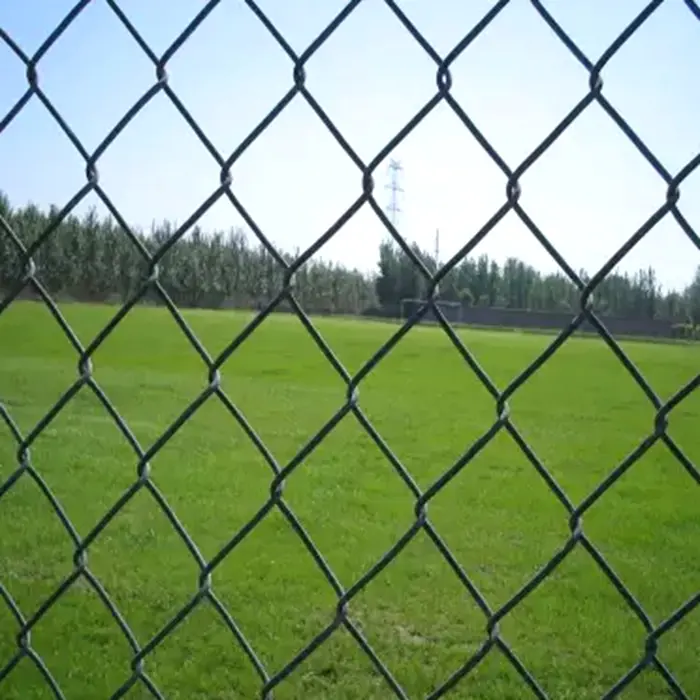
Metal Fence Manufacturers Production Technology and Performance Analysis
Selecting the right security perimeter often comes down to the technical capabilities of the production line. Whether it is a high-security government facility or a livestock containment area, the structural integrity of the metal depends entirely on the precision of the welding and the quality of the surface treatment.
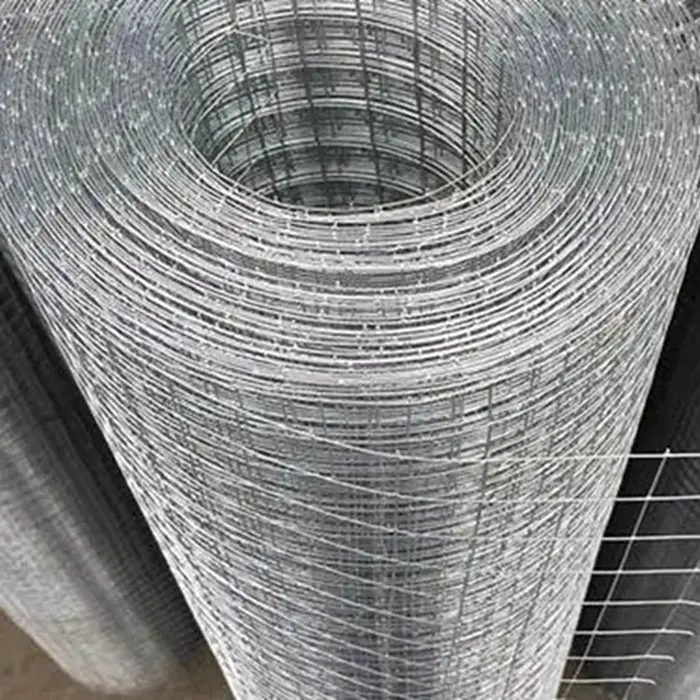
The shift toward automated high-voltage resistance pressure welding has changed how we evaluate the durability of metal mesh. By integrating hydraulic pressure with strong electric currents, modern production ensures that joints are not just connected, but fused, significantly reducing the risk of failure under physical stress.
For those navigating the complex landscape of metal fence manufacturers, understanding the interplay between material grade and environmental exposure is critical for long-term asset protection.
The Technical Evolution of Metal Mesh Production

The transition from manual weaving to machine pressure welding has redefined the standards for stability. Modern facilities now utilize high-voltage resistance welding machines where manipulators automatically position crossbars on flat steel, applying simultaneous electric power and hydraulic pressure.
This process eliminates human error in joint consistency, resulting in solder points that can withstand significant shear force. For those sourcing from metal fence manufacturers, the presence of this automated technology is a primary indicator of product longevity.
Material Science: Balancing Strength and Corrosion Resistance
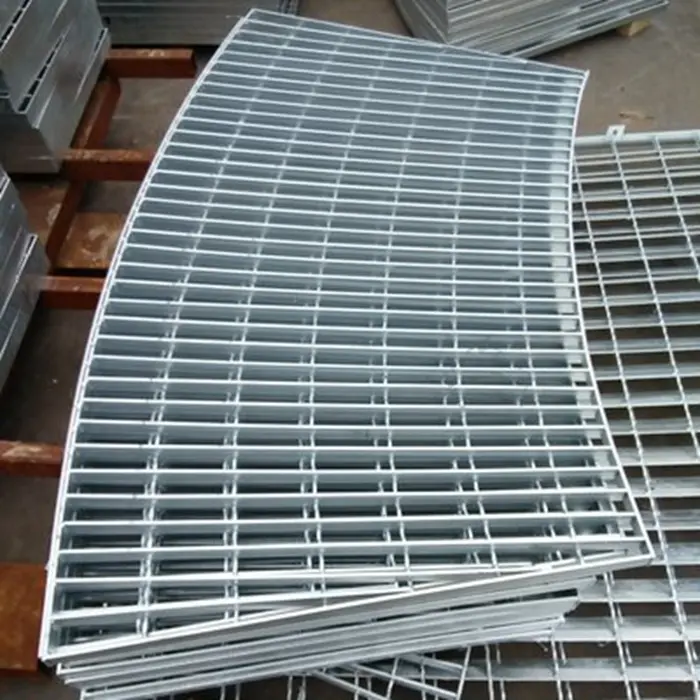
Material selection is rarely a one-size-fits-all decision. Low carbon steel grating is the standard for heavy vehicular loads due to its immense structural strength, but it requires specific surface treatments to prevent oxidation. In contrast, aluminum grating offers an unrivaled strength-to-weight ratio and natural corrosion resistance, making it the preferred choice for architectural applications and highly corrosive environments.
Stainless steel (grades 304, 316, 316L) represents the premium tier, providing an optimal balance of hygiene, durability, and aesthetics. Depending on the environment, these materials undergo different finishing processes—from pickling and electrochemical polishing to chrome plating—to ensure they maintain their integrity against chemical exposure.
The critical factor is the finishing method. Hot-dip galvanizing remains the most effective barrier for outdoor steel installations, often extending the service life of the product up to 20 years by creating a metallurgical bond between the zinc and the steel.
Engineering the Anti-Slip Interface
In industrial settings, the surface texture of a stair tread or platform is a safety-critical component. While flat surfaces are suitable for clean, dry environments, areas prone to oil, water, or hazardous chemicals require serrated profiles. These serrations act as mechanical teeth that bite into the footwear, preventing slips and falls.
Serrated stair treads are not merely an aesthetic choice but a risk-mitigation tool designed to maintain friction in low-traction environments, effectively reducing workplace accidents in chemical and food processing facilities.
The effectiveness of these anti-slip surfaces is further enhanced by the material's ability to shed debris. Open-mesh designs allow liquids and solids to pass through the grating rather than pooling on top, ensuring that the contact point between the shoe and the metal remains clear.
Performance Metrics for Industrial Gratings
When evaluating products from various metal fence manufacturers, procurement officers typically use a multi-dimensional index. This includes bearing capacity, ventilation efficiency, and the cost-to-lifespan ratio.
The following relative assessment demonstrates how different materials perform across key industrial requirements, emphasizing the trade-off between initial cost and environmental resilience.
Figure 2. Material Suitability Relative Index
Sector-Specific Application Logic
The application of metal mesh extends far beyond simple fencing. In water treatment plants and chemical facilities, the priority is total corrosion resistance, leading to a preference for stainless steel or specialized powder-coated aluminum. Conversely, in heavy industrial workshops and outdoor factories, the focus shifts to load-bearing capacity and non-slip safety, where hot-dip galvanized carbon steel is the dominant choice.
Commercial environments, such as supermarkets, hospitals, and bathing centers, require a different set of criteria: ease of cleaning and aesthetic integration. Here, the use of perforated sheet metal or fine-mesh stainless steel ensures that hygiene standards are met without compromising the structural safety of the walkways.
Future Trends in Perimeter Security Mesh
The industry is moving toward "smart" perimeter solutions where the physical mesh is integrated with sensor technology. However, the foundation remains the physical barrier. We are seeing an increase in the demand for 358 Anti Climb Mesh, which utilizes a high-density weld pattern to eliminate finger-holds and toe-holds, making it virtually impossible to scale without specialized equipment.
Sustainability is also becoming a primary driver. Aluminum gratings are gaining traction not only for their weight but because they are fully recyclable. The trend is shifting toward Life Cycle Costing (LCC), where buyers prioritize materials that may have a higher initial price but require zero maintenance over a decade.
Additionally, the rise of custom-engineered shapes for special platforms indicates that manufacturers are moving away from stock sizes toward bespoke design services, utilizing CAD and automated CNC cutting to fit complex architectural requirements.
Procurement Framework for Industrial Metalwork
Choosing between various metal fence manufacturers requires a systematic evaluation of the intended environment. A common error is selecting a material based on cost alone, only to face premature failure due to galvanic corrosion or insufficient load capacity.
The decision framework should start with the load requirement (pedestrian vs. vehicular), followed by the chemical environment (saline, acidic, or neutral), and finally the safety requirements (anti-slip or high-visibility).
By mapping these variables against the material properties, buyers can optimize their investment for maximum service life.
| Environment | Recommended Material | Primary Finish | Critical Factor |
|---|---|---|---|
| Coastal / Marine | Stainless 316 / Aluminum | Electropolishing | Chloride Resistance |
| Heavy Industrial | Low Carbon Steel | Hot-Dip Galvanized | Bearing Capacity |
| Food Processing | Stainless 304 | Pickling / Polishing | Hygiene / Non-toxic |
| Public Walkways | Galvanized Steel | Powder Coated | Aesthetics / Safety |
| Chemical Plants | Stainless 316L | Specialty Coating | Acid Resistance |
| Warehouse Ramps | Carbon Steel | Serrated Surface | Traction / Grip |
Questions & Answers
Hot-dip galvanizing involves immersing the steel in molten zinc, creating a metallurgical bond that protects the metal from the inside out. Painting provides a surface-level barrier. Galvanizing is significantly more durable for outdoor and industrial environments, often lasting 20 years, whereas paint is prone to chipping and requires frequent re-application to prevent rust.
The decision depends on the presence of contaminants. Flat treads are appropriate for dry, indoor environments. Serrated treads are mandatory for areas exposed to oil, grease, water, or ice, as they provide the necessary mechanical friction to prevent slips. If the area is prone to any form of liquid spill, serrated is the safer choice.
Grade 316 or 316L is the superior choice for marine or high-salinity environments. Unlike Grade 304, Grade 316 contains molybdenum, which provides enhanced resistance to pitting and crevice corrosion caused by chlorides (salts). This makes it essential for coastal installations or chemical processing plants.
Yes, professional manufacturers can produce custom-sized stair treads and special-shape platform gratings. This is typically achieved through precise CAD designing and CNC cutting of the crossbars and flat bars before the high-voltage resistance welding process, ensuring the final product fits the exact architectural specifications.
Hole size is a trade-off between drainage and load capacity. Larger holes allow for better drainage of water and debris, which is critical in food processing or wastewater plants. Smaller holes provide more surface area and structural support, allowing the grating to carry heavier loads and providing a more stable footing for workers.
Replacement is necessary when the structural integrity is compromised or safety is diminished. Key signs include visible sagging under load, excessive rust that has penetrated the galvanized layer (pitting), or the wearing down of serrations on anti-slip treads, which significantly reduces the coefficient of friction.
Final Thoughts
The selection of industrial metalwork is an exercise in balancing immediate budget constraints with long-term operational safety. By prioritizing automated welding processes and matching material grades to the specific environmental stressors of a site, companies can drastically reduce maintenance costs and workplace liabilities.
Whether utilizing the high-strength properties of low carbon steel or the corrosion resistance of stainless steel, the goal remains the same: a secure, stable, and durable infrastructure that stands the test of time.