Wholesale Stainless Steel Wire Fence Panels Supplier
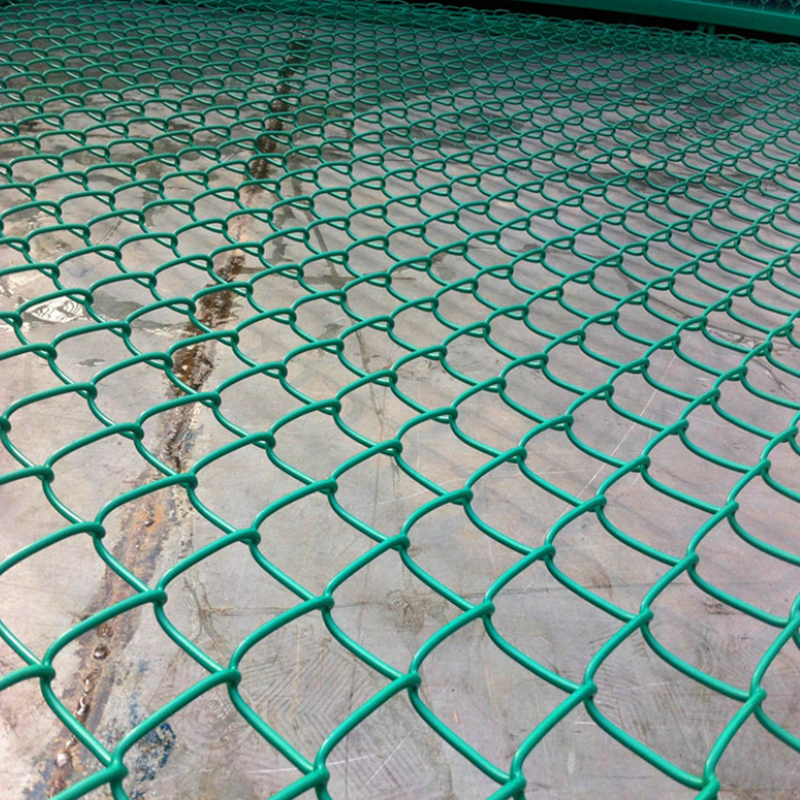
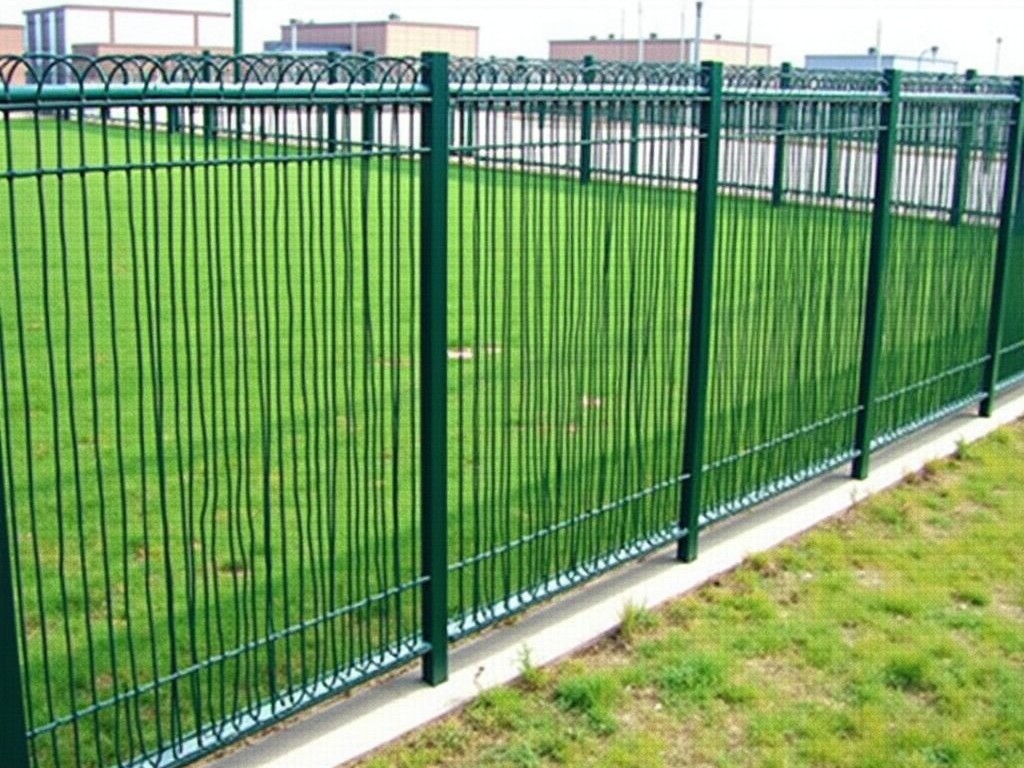
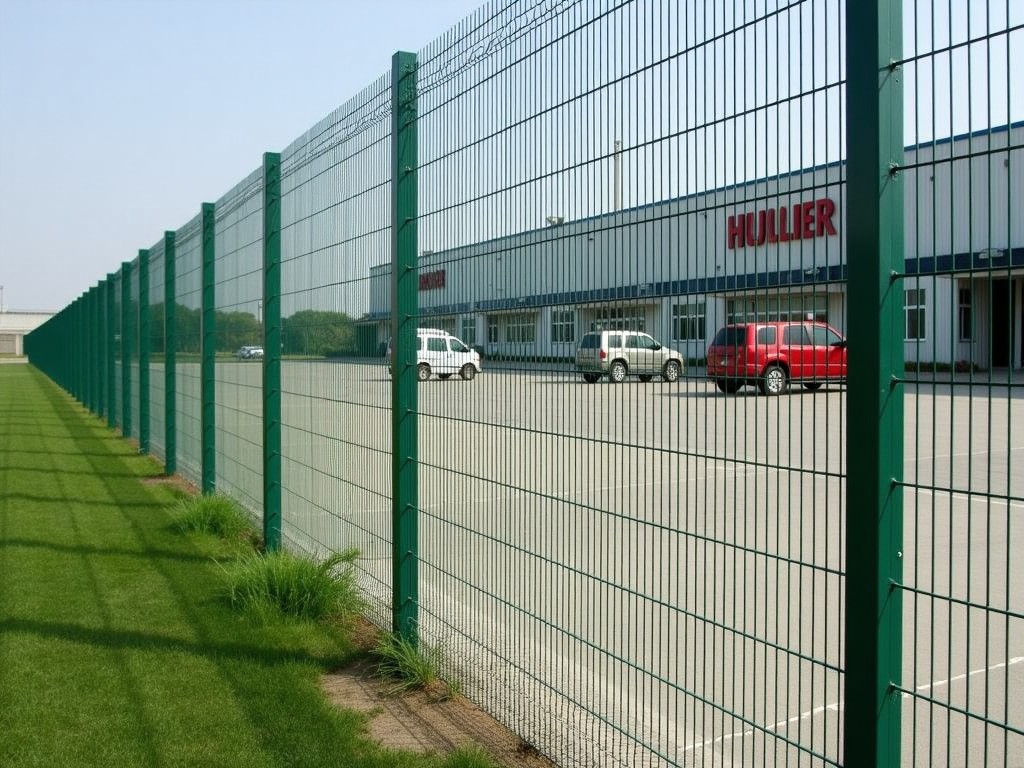
Stainless steel wire fence panels are prefabricated assemblies formed by welding or weaving corrosion‑resistant wire into a grid pattern. They serve as durable barriers for perimeter security, animal
Request a QuoteWholesale Stainless Steel Wire Fence Panels
Overview
Stainless steel wire fence panels are prefabricated assemblies formed by welding or weaving corrosion‑resistant wire into a grid pattern. They serve as durable barriers for perimeter security, animal containment, and industrial partitioning where long‑term exposure to moisture, chemicals, or UV is expected.
Unlike coated carbon steel alternatives, these panels rely on the inherent alloy composition of stainless steel to resist rust without additional painting or galvanizing, reducing maintenance cycles and total ownership cost.
Material Composition
The wire is typically drawn from austenitic grades such as 304 (18% Cr, 8% Ni) or 316 (16% Cr, 10% Ni, 2% Mo) depending on the environmental aggressiveness. Grade 304 provides adequate resistance to atmospheric corrosion in most temperate zones, while grade 316 adds molybdenum for improved performance against chlorides and marine atmospheres.
Wire diameter ranges from 2.0 mm to 5.0 mm, selected based on required tensile strength and impact resistance. The alloy content ensures a minimum yield strength of 215 MPa for 304 and 240 MPa for 316 in the annealed condition.
Panel Construction
| Parameter | Typical Value | Notes |
|---|---|---|
| Mesh Opening | 25 mm × 25 mm to 100 mm × 100 mm | Square or rectangular; custom sizes available |
| Wire Diameter | 2.0 mm – 5.0 mm | Determines load capacity and deflection |
| Panel Height | 0.8 m – 2.5 m | Standard lengths 2.0 m – 6.0 m; can be spliced |
| Edge Treatment | Flush, folded, or capped with U‑channel | Prevents sharp edges and facilitates installation |
Mechanical Properties
Tensile strength of the finished panel typically ranges from 520 MPa to 750 MPa, depending on wire diameter and grade. The welded joints retain at least 80 % of the base wire strength when proper ERW or TIG techniques are applied.
Elongation at break remains above 35 % for 304 and 30 % for 316, providing sufficient ductility to absorb impact without brittle failure. Panels are tested for a uniform load of 1.5 kN/m² with deflection limited to L/200 under service conditions.
Fatigue resistance is enhanced by the uniform wire spacing, which distributes stress concentrations and reduces the likelihood of crack initiation at weld points.
Corrosion Resistance
In neutral atmospheric exposure, 304 panels exhibit a corrosion rate below 0.02 mm/year, while 316 maintains under 0.005 mm/year in chloride‑rich environments such as coastal zones or chemical processing areas.
Passivation treatments after welding restore the chromium‑oxide layer, ensuring that heat‑affected zones retain the same resistance as the base material. No additional coatings are required for a service life exceeding 25 years in most industrial settings.
Typical Applications
- Perimeter security for warehouses, data centers, and utility substations where climb‑resistance and visibility are required.
- Animal enclosure in livestock farms, zoos, and research facilities, providing a smooth surface that minimizes injury.
- Process area partitioning in food‑grade and pharmaceutical plants, where cleanability and resistance to cleaning agents are critical.
- Infrastructure protection along highways, railways, and bridges, offering durability against de‑icing salts and airborne particulates.
- Temporary site fencing for construction projects, allowing rapid installation and reuse after project completion.
Customization Options
- Wire diameter and grade (304, 316, 316L) tailored to load and corrosion demands.
- Mesh opening dimensions adjusted for specific containment or visibility requirements.
- Panel height and length configured to match site topography and reduce splicing.
- Edge finishes including folded safety edges, PVC‑capped channels, or integrated mounting brackets.
- Surface treatments such as electropolishing for enhanced smoothness in hygienic zones.
Quality Assurance
Each production lot undergoes chemical verification via optical emission spectroscopy to confirm chromium, nickel, and molybdenum content within ASTM A240 tolerances.
Mechanical testing includes tensile strength, yield strength, and elongation on sampled wire before weaving, followed by pull‑off tests on welded joints to verify integrity.
Visual inspection checks for uniform weld spacing, absence of porosity, and correct edge treatment. Dimensional audits verify panel height, length, and mesh opening against the approved drawing.
Final products are marked with heat‑trace codes enabling traceability to the specific coil and welding parameters used.
Packaging & Shipping
Panels are stacked flat on pallets with interleaving corrugated sheets to prevent surface abrasion. Corner protectors and stretch‑film wrapping secure the load during transit.
For long‑distance export, panels are placed in fumigated wooden crates or steel‑frame containers, with desiccant packs to control humidity. Each crate includes a packing list, material test certificate, and handling instructions.
Standard lead time for stocked specifications is 10‑15 working days; customized orders typically require 20‑30 working days depending on wire grade and tooling requirements.
Frequently Asked Questions
Yes. Panel height, length, and mesh opening can be adjusted to suit post spacing and site constraints. Provide the required measurements and we will generate a production drawing for approval.
Wire grade, diameter, desired mesh size, panel dimensions, edge finish, quantity, and delivery destination. Any special testing or certification requirements should also be specified.
Each batch receives chemical analysis, mechanical testing of sample wires, joint pull‑off verification, and visual/weld inspection. A material test certificate accompanies the shipment.
Panels are interleaved with corrosion‑inhibiting paper, wrapped in stretch film, and placed on pallets with corner boards. Export crates include desiccant and are sealed to limit moisture ingress.
Get a Quote
To receive a detailed quotation and lead‑time estimate, please share your project specifications via the inquiry form. Our technical team will review the requirements and return a formal response within one business day.