Chain Link Fence Cost Material Specifications and Performance Analysis
Budgeting for a perimeter security project often begins with a single question: what is the actual chain link fence cost when accounting for materials, labor, and long-term maintenance? For many commercial and industrial operators, the answer is rarely a flat rate, as the price fluctuates based on the gauge of the steel, the type of coating, and the specific security requirements of the site.
The market for metal fencing has shifted toward high-performance materials that balance initial investment with lifecycle value. Whether it is a basic residential boundary or a high-security industrial enclosure, understanding the cost drivers—such as hot-dipped galvanization versus PVC coating—is essential to avoid overpaying for unnecessary specifications or under-investing in critical protection.
This guide analyzes the economic variables of chain link systems and compares them with advanced alternatives, providing a framework for procurement officers and project managers to optimize their security spending.
Market Fundamentals of Wire Mesh Pricing
The pricing of chain link and wire mesh fencing is primarily driven by the global commodities market, specifically the cost of low-carbon steel and zinc. Because these products are manufactured through a process of drawing, weaving, or welding, the volume of raw material used per linear foot is the most significant variable in the base price.
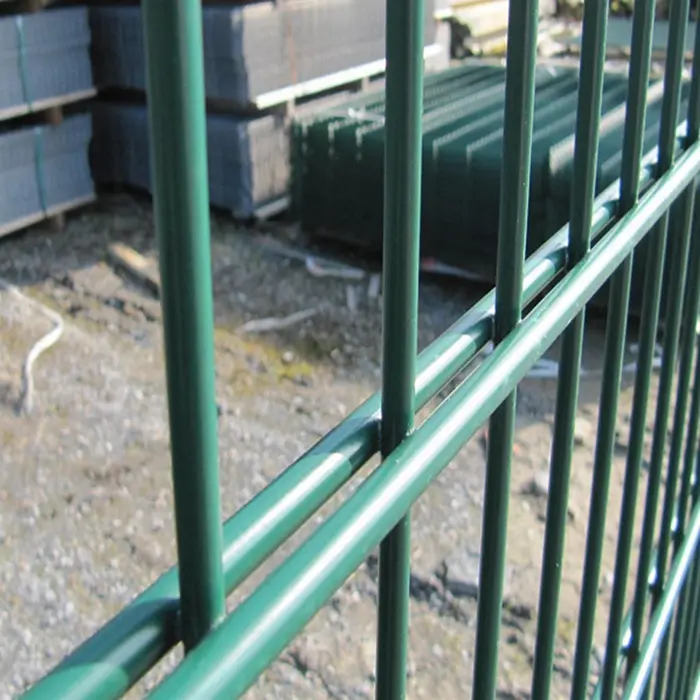
Beyond raw materials, manufacturing complexity plays a role. Simple diamond-weave chain link is generally the most economical, whereas specialized systems like the 358 Anti Climb Mesh or welded razor mesh require more precise machinery and higher labor costs, shifting the price point upward in exchange for increased security.
Material Specifications Affecting Total Expenditure
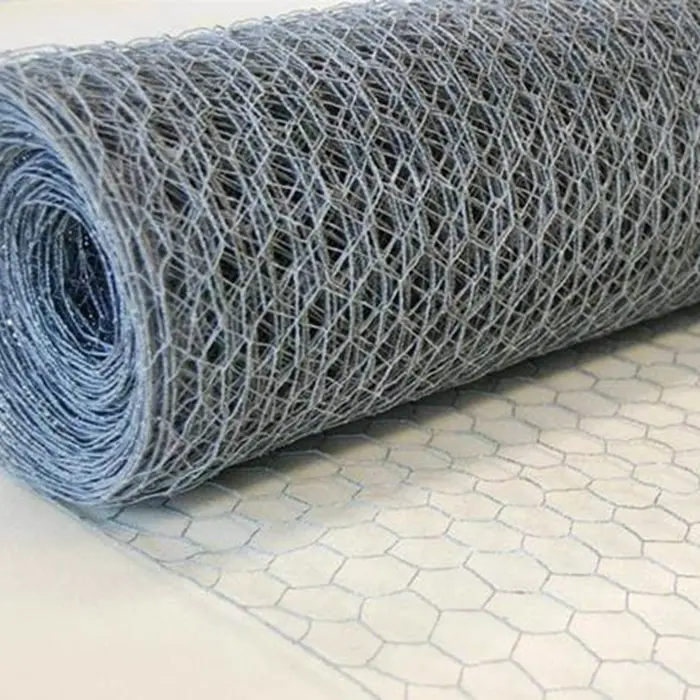
One of the most common mistakes in estimating chain link fence cost is overlooking the wire gauge. The gauge refers to the thickness of the wire; a lower gauge number indicates a thicker, stronger wire. Industrial sites typically require 9-gauge or 11-gauge wire to withstand impact and intrusion attempts, which increases the material weight and the subsequent cost compared to residential 12.5-gauge options.
Mesh aperture size also influences the budget. A smaller mesh opening requires more wire per square meter, increasing both the cost of the material and the time required for installation. For high-security zones, smaller apertures are necessary to prevent climbing and the passage of small objects, necessitating a higher investment in the fabric.
Furthermore, the structural support system—the posts and rails—can account for a significant portion of the total project cost. The transition from standard pipe posts to heavy-duty angle steel or reinforced concrete foundations for high-wind areas or high-security perimeters can increase the overall cost by 20% to 40%.
The Impact of Surface Treatments on Longevity
Surface treatment is the primary defense against corrosion, and it is a critical factor when analyzing the long-term value of a fencing project. The most common options are electric galvanizing, hot-dipped galvanizing, and PVC coating. While electric galvanizing is the cheapest, it provides the thinnest layer of protection and is unsuitable for harsh environments.
Hot-dipped galvanization creates a thick, metallurgical bond between the zinc and the steel, offering significantly higher corrosion resistance than electric options. When combined with a PVC coating, the fence gains an additional layer of UV protection and impact resistance, reducing the frequency of replacement and lowering the total cost of ownership.
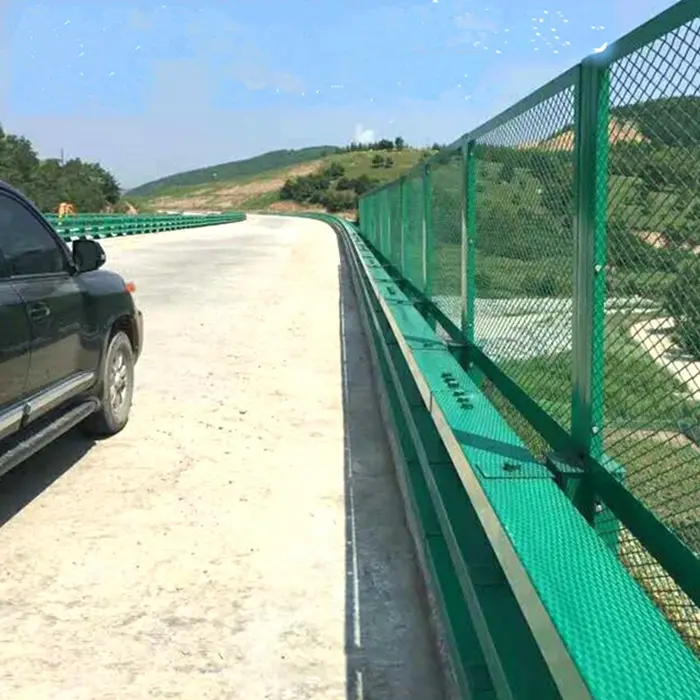
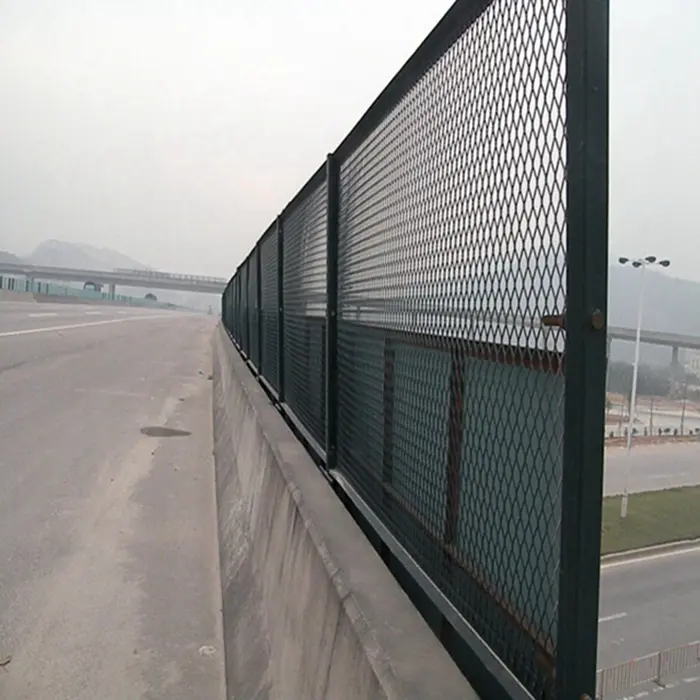
For specialized projects, such as the bridge anti-throwing nets produced by companies like Anping Tangren, a multi-stage treatment process is used. This often includes three layers of galvanizing followed by a pre-coating primer and high-adhesion powder spraying. Although this increases the initial cost, it is a technical necessity for infrastructure that must withstand constant exposure to road salts and weather extremes.
Comparative Value Analysis of Fence Types
When choosing a fencing system, buyers must weigh the "initial cost" against the "security value." Chain link is often the baseline for cost, but it offers limited deterrence compared to welded mesh or razor wire systems. For instance, while a standard chain link fence is economical, it is susceptible to cutting and climbing.
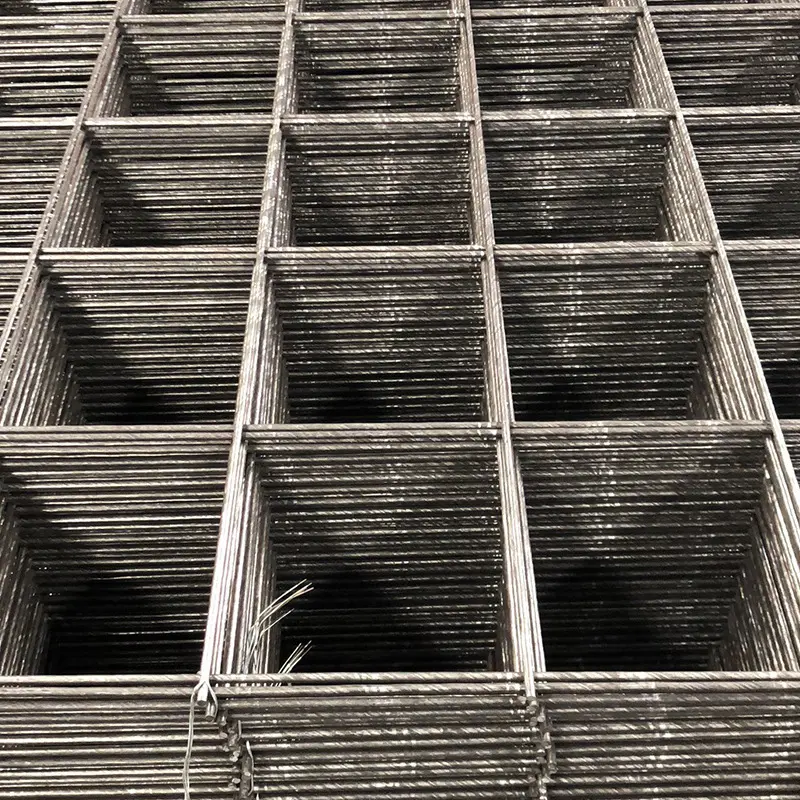
In contrast, expanded metal fences or 3D welded mesh provide higher rigidity and a more professional appearance. These systems often have a higher upfront cost but offer a higher relative value in terms of deterrence and reduced maintenance, as they are less likely to sag or deform over time.
Figure 2. Relative Value Index by Fence Category
Practical Application Scenarios and Budgeting
For a typical industrial setting, such as a warehouse perimeter, the primary goal is often boundary definition and basic deterrence. In this scenario, a galvanized chain link fence is usually the most cost-effective choice. However, if the site stores high-value equipment, adding a top rail of concertina razor wire or upgrading to a welded mesh system is a necessary investment to prevent unauthorized access.
In municipal projects, such as highway overpasses, the requirements shift toward safety and public protection. Here, the "anti-throwing" mesh becomes the priority. These fences must be high-strength and anti-corrosive to protect pedestrians below from falling objects. Budgeting for these projects focuses more on the thickness of the powder coating and the strength of the steel plate rather than just the linear cost of the mesh.
Future Trends in Security Fencing Costs
The industry is seeing a gradual move away from simple woven fabrics toward modular, prefabricated welded systems. This shift is driven by the need for faster installation times, which reduces the labor component of the total project cost. Prefabricated panels can be installed more quickly than traditional rolls of chain link, offsetting the higher material price.
Another emerging trend is the integration of "smart" fencing. While the physical mesh remains similar, the addition of sensor-ready posts and fiber-optic intrusion detection systems is changing the budget structure. The cost of the physical fence is becoming a smaller percentage of the overall security investment, while the cost of integration and electronics is rising.
Sustainability is also beginning to influence costs. There is an increasing demand for materials with lower carbon footprints and recyclable coatings. While eco-friendly alternatives may currently carry a premium, advancements in manufacturing efficiency are expected to bring these costs in line with traditional galvanized products.
Selection Framework for Optimal ROI
Achieving the best return on investment (ROI) in fencing requires a trade-off analysis between initial expenditure and the cost of failure. A cheap fence that is easily breached or rusts within five years is more expensive in the long run than a premium system that lasts twenty years.
Buyers should evaluate their needs based on three primary axes: the level of security required (deterrence vs. delay), the environmental corrosivity (coastal vs. inland), and the expected lifespan of the facility. By aligning the material specification with these needs, companies can avoid the common pitfall of over-specifying for low-risk areas.
The following table provides a conceptual framework for selecting the right fence type based on typical operational requirements.
| Requirement | Recommended Type | Cost Profile | Key Benefit |
|---|---|---|---|
| Basic Boundary | Galvanized Chain Link | Low | Maximum Economy |
| Industrial Security | PVC Coated Chain Link | Medium | Corrosion Resistance |
| High Anti-Climb | 358 Mesh / Welded | High | Intrusion Delay |
| Public Safety | Anti-Throwing Mesh | Medium-High | Impact Strength |
| Extreme Security | Razor Wire Mesh | High | Active Deterrence |
| Aesthetic/Urban | 3D Welded Fence | Medium | Visual Appeal |
Questions & Answers
The cost is primarily driven by raw material prices (steel and zinc), the wire gauge (thickness), the mesh size, and the surface treatment. Additionally, the type of posts used and the labor required for installation based on terrain and project scale significantly influence the final invoice.
Yes, in environments with high humidity, salt air, or chemical exposure. While hot-dipped galvanization is excellent, PVC provides an extra physical barrier and UV protection, which prevents the zinc layer from weathering. This extends the lifespan of the fence and reduces maintenance costs.
Standard chain link is a woven fabric that can be cut or climbed relatively easily. 358 mesh is a high-density welded system with apertures too small for finger or toe holds. While it has a higher initial cost, its value lies in the significant increase in security and deterrence.
For typical industrial orders, mass production generally takes between 20 to 30 days after deposit and final approval of specifications. Sample orders are much faster, usually around 7 days, allowing clients to verify the material quality before committing to a full shipment.
Yes. Custom patterns (such as specific diamond, hexagon, or scale patterns) require specific tooling and setup in the welding or weaving workshop. While standard sizes are most economical, customized dimensions are available to meet specific engineering requirements, though they may increase the lead time and price.
Do not look at the price per foot alone. Check the wire gauge, the method of galvanization (electric vs. hot-dipped), the coating thickness, and the certification (e.g., ISO or SGS). A lower quote often indicates a thinner zinc layer or lower grade steel, which will result in higher replacement costs.
Final Thoughts
Calculating the true chain link fence cost requires looking beyond the initial purchase price and considering the total lifecycle expenditure. By balancing material grade, surface protection, and specific security needs, organizations can implement a perimeter solution that provides maximum protection without unnecessary waste.
Whether opting for a traditional galvanized system or a high-performance welded mesh, the key is to align the technical specifications with the environmental risks of the site. Investing in quality materials and professional manufacturing ensures that the security boundary remains an asset rather than a maintenance liability.