double wire mesh fence technical specifications and performance analysis
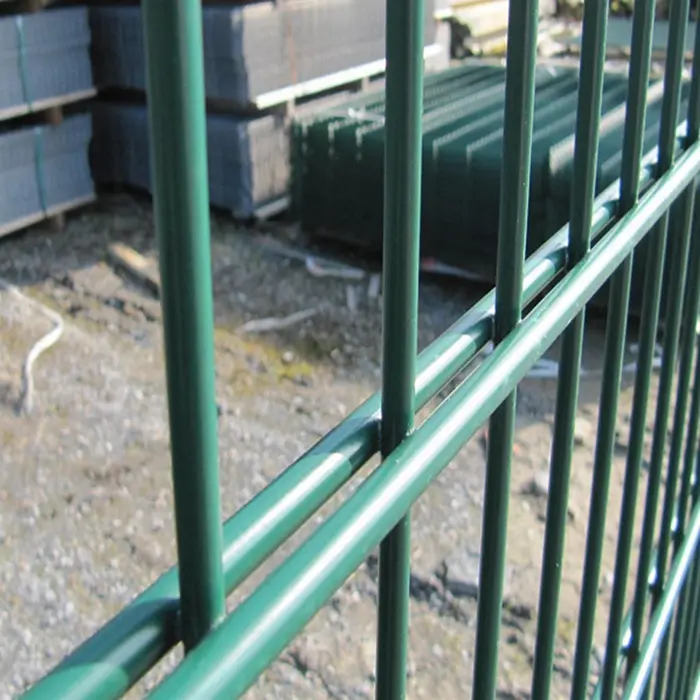
Selecting the right perimeter security often comes down to a balance between structural rigidity and cost-efficiency. For projects requiring a high level of stability without the extreme cost of reinforced concrete, the bilateral wire guardrail—commonly known as a double wire mesh fence—has emerged as a pragmatic middle ground.
Unlike single-layer mesh, this configuration utilizes parallel wire structures to enhance stiffness and impact resistance. This design is particularly critical in undulating terrains or high-traffic municipal areas where standard fencing tends to sag or succumb to lateral pressure over time.
In this analysis, we examine the technical specifications and operational advantages of double-sided mesh systems, focusing on how their unique construction addresses the challenges of large-scale infrastructure and green space protection.
Structural Logic of Bilateral Mesh
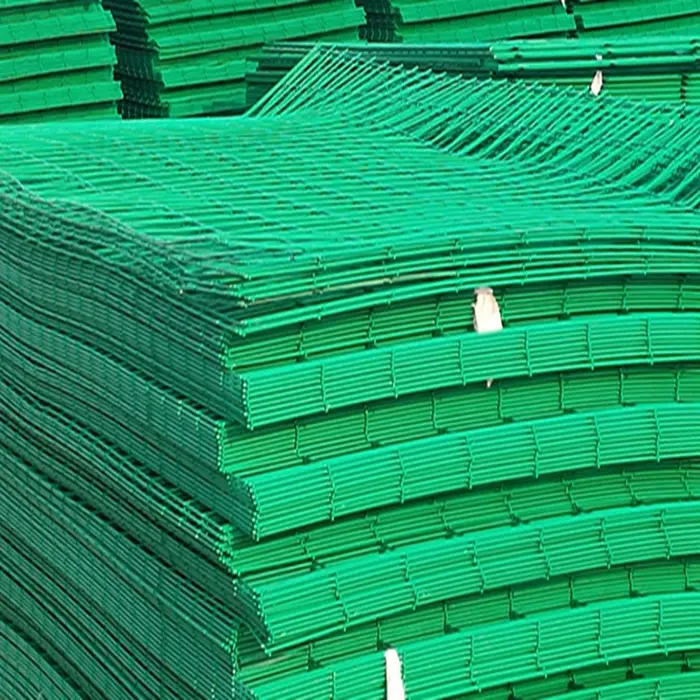
The fundamental principle of a double wire mesh fence is the creation of a reinforced plane. By welding two layers of wire mesh together, the system achieves a significant increase in moment of inertia, which directly translates to a higher resistance to bending and deformation compared to single-wire variants.
This structural redundancy ensures that even if one point of the mesh is compromised, the overall integrity of the barrier remains intact. It effectively bridges the gap between lightweight temporary fencing and heavy-duty security walls, providing a "frame" effect that stabilizes the entire fence line.
Engineering Specifications and Materials
Professional-grade bilateral guardrails are defined by precise technical tolerances. Typical specifications involve plastic-impregnated wire warps ranging from 2.9mm to 6.0mm, with standard mesh apertures of 80160mm. These dimensions are engineered to prevent unauthorized passage while maintaining sufficient visibility for surveillance and aesthetic openness in municipal settings.
The support system typically utilizes steel pipes, such as 48mm x 1.0mm plastic-dipped columns, which provide the necessary vertical anchoring. Common panel sizes, often 1800mm x 3000mm, are optimized for balance between shipping volume and on-site installation speed, reducing the total number of joints and potential failure points.
From a production standpoint, high-quality wire rods are the primary raw material. The assembly process integrates robotic welding with a rigorous coating sequence: triple galvanization, pre-priming, and high-adhesion powder spraying. This multi-stage treatment is essential for ensuring the fence can withstand UV exposure and moisture without premature oxidation.
Overcoming Terrain and Stiffness Limitations
One of the primary challenges in fencing is "stiffness failure," where a fence bows under pressure or sags due to soil movement. Standard mesh often lacks the inherent rigidity to stay vertical over long spans, especially in hilly or sloped environments.
Integrating the bottom of the double wire mesh fence with a brick-concrete wall effectively eliminates the deficit in base stiffness, transforming the fence from a freestanding screen into a rigid structural extension of the foundation.
This integration method allows the fence to adapt to varied terrain without requiring excessive column density. Because the system is flexible in its assembly—using anti-theft screws and specialized clips—it can be installed across slopes and multi-bend areas where rigid wall construction would be prohibitively expensive or technically impossible.
Relative Performance Metrics
When evaluating the effectiveness of different fencing systems, engineers look at a combination of structural rigidity, installation speed, and corrosion resistance. The double wire mesh configuration typically outperforms standard welded mesh in lateral stability while remaining more cost-effective than heavy-duty security barriers like the 358 anti-climb mesh.
The following index illustrates the relative balance of these factors, showing where the bilateral system provides the most significant value relative to standard alternatives.
Figure 2. Comparative Performance Index of Fencing Systems
Strategic Application Scenarios
Bilateral guardrails are most effective in environments where aesthetics must coexist with functional boundaries. In municipal green spaces, garden flower beds, and airport perimeter zones, the clean grid structure and variety of powder-coated colors allow the fence to blend into the landscape while maintaining a secure perimeter.
Beyond aesthetics, these systems are frequently deployed in "challenging" terrains. For example, ski resorts and mountain development projects utilize double wire mesh because it can be anchored into rocky slopes without requiring the massive leveling of ground that a concrete wall would necessitate. This makes it an ideal solution for agricultural zones and port green spaces where efficiency and cost are primary drivers.
Corrosion Defense and Longevity
The operational lifespan of a metal fence is entirely dependent on its surface treatment. For a double wire mesh fence, the combination of galvanization and powder coating creates a dual-layered shield against oxygen and moisture.
Triple galvanizing provides the primary sacrificial layer, while the high-adhesion powder spray adds UV resistance and the final aesthetic color. This is particularly critical in coastal areas or ports where salt spray can rapidly degrade inferior coatings. The addition of plastic covers or rainproof caps on the column tops prevents internal corrosion, which is where most fencing systems first begin to fail.
Maintenance is further reduced by the use of anti-theft screws and specialized iron clips. These accessories ensure that the tension of the mesh is maintained over decades, preventing the "looseness" that typically occurs with standard tie-wire systems.
Selection Framework: Double vs. Single Mesh
Choosing between a single-wire and a double-wire mesh system depends on the specific threat model and environmental constraints of the site. While single-wire mesh is sufficient for simple demarcation, it often fails in high-wind areas or where physical leaning/impact is expected.
The bilateral system provides a higher safety margin. However, this comes with a slight increase in material weight, which must be accounted for during the logistics and foundation planning stages. The trade-off is typically justified by the reduction in long-term maintenance costs and the extended replacement cycle.
To assist in the decision process, the following framework compares the two systems across key operational dimensions.
| Evaluation Factor | Single Wire Mesh | Double Wire Mesh | Selection Driver |
|---|---|---|---|
| Lateral Rigidity | Low to Moderate | High | Wind/Impact loads |
| Installation Effort | Very Low | Low to Moderate | Labor availability |
| Terrain Adaptability | Moderate | Very High | Slopes/Hilly areas |
| Project Life Cycle | Short to Medium | Long | Maintenance budget |
| Material Cost | Lowest | Moderate | Initial CapEx |
| Base Integration | Standard | Optimized for Walls | Foundation type |
Questions & Answers
A double wire mesh fence consists of two parallel layers of welded wire mesh that are joined together. This creates a 3D-like structural depth that significantly increases the fence's resistance to bending and twisting. While standard mesh is a single flat plane, the bilateral system acts as a reinforced beam, providing much higher lateral stability and stiffness, which prevents the fence from sagging over long distances or under environmental stress.
These systems are ideal for areas with undulating terrain, such as mountains, slopes, and multi-bend roads, where standard rigid walls are impractical. They are also highly effective for municipal green spaces, airport perimeters, and port zones where a combination of aesthetics and durable security is required. Because they can be integrated into brick-concrete walls, they are excellent for urban boundary protection.
For high-corrosion environments like coastal ports, a multi-stage coating is essential. The best practice involves triple galvanization for primary rust protection, followed by pre-priming and a high-adhesion powder coating. This combination provides both a sacrificial zinc layer to prevent oxidation and a polymer shield to resist UV radiation and salt spray, significantly extending the service life compared to simple galvanized finishes.
Yes. One of the key advantages of the frame guardrail net is its assembly flexibility. Depending on the column fixing method used, it can be installed as a permanent security wall or configured as a temporary isolation barrier. This versatility allows project managers to redeploy the mesh panels to different sections of a construction site or development zone as needs evolve.
While the initial material cost is slightly higher than single-layer mesh, the "total cost of ownership" is often lower. This is due to the reduction in required column density (because the panels are stiffer) and a significant decrease in long-term maintenance. Since the system resists sagging and corrosion more effectively, the replacement interval is extended, saving labor and material costs over the project's lifespan.
Professional bilateral systems typically utilize automatically anti-theft screws and specialized plastic or iron clips. These components are designed to be difficult to remove without specific tools, reducing the risk of unauthorized dismantling. Furthermore, the accessories can be customized based on the specific security requirements of the project to further enhance the barrier's integrity.
Final Thoughts
The adoption of a double wire mesh fence represents a shift toward engineering-led security. By prioritizing structural stiffness and advanced corrosion protection, these systems provide a durable alternative to traditional fencing that adapts to the physical realities of the landscape rather than fighting against them.
Ultimately, the value of the bilateral system lies in its versatility—serving equally well as a decorative municipal border or a rigid industrial guardrail. For any project where terrain fluctuations and long-term stability are primary concerns, the double-wire configuration offers the most reliable balance of performance and economy.