China Aluminum Anti Slip Walkway Grating Plate Manufacturer
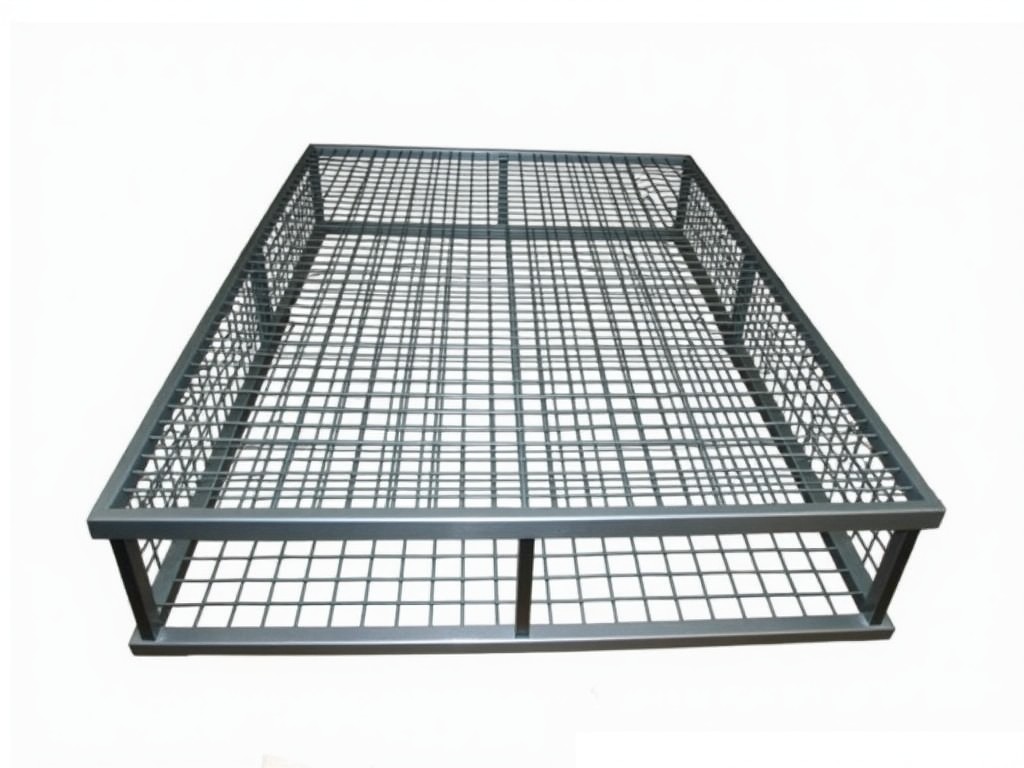
Walkway grating plates provide a safe, durable walking surface in environments where slip resistance, load bearing, and corrosion resistance are required. Aluminum alloy gratings combine lightweight
Request a QuoteAluminum Anti‑Slip Walkway Grating Plate
Walkway grating plates provide a safe, durable walking surface in environments where slip resistance, load bearing, and corrosion resistance are required. Aluminum alloy gratings combine lightweight handling with sufficient stiffness for pedestrian and light‑vehicle traffic.
Material and Alloy Composition
The grating is typically produced from AA6063‑T5 or AA6061‑T6 aluminum, offering a tensile strength of approximately 200 MPa and a yield strength around 150 MPa. These alloys provide a favorable strength‑to‑weight ratio, reducing installation loads while maintaining structural integrity.
Magnesium and silicon are the primary alloying elements, contributing to good extrudability and surface finish. Trace amounts of copper may be added to enhance machinability for custom features.
Slip Resistance Mechanism
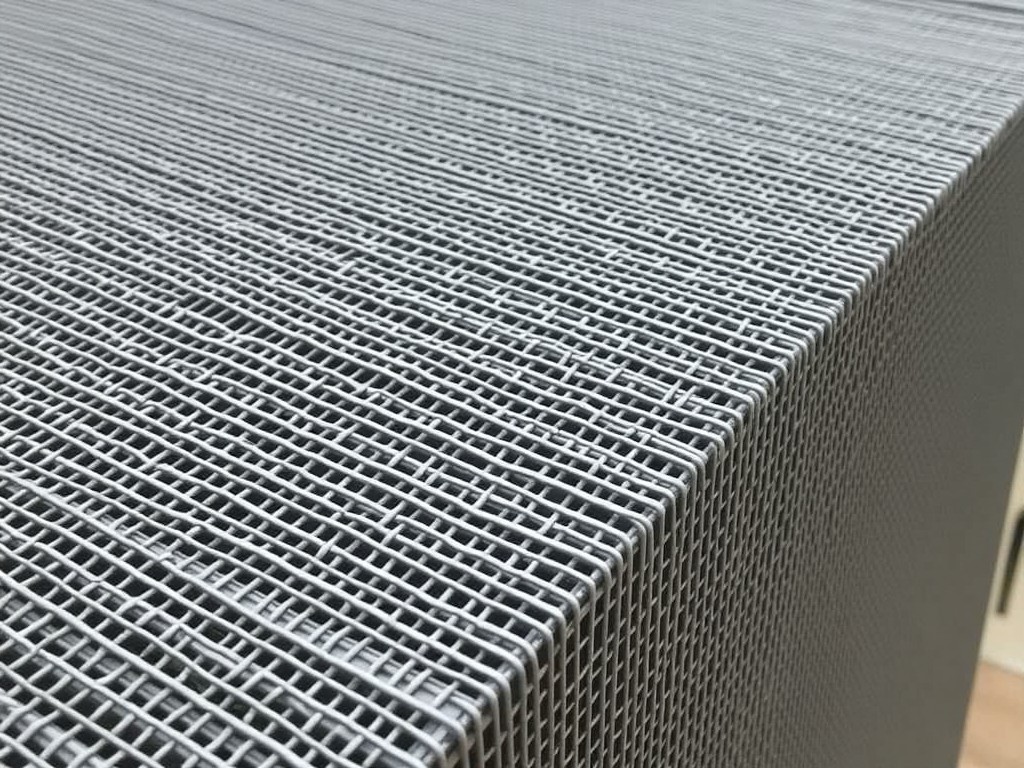
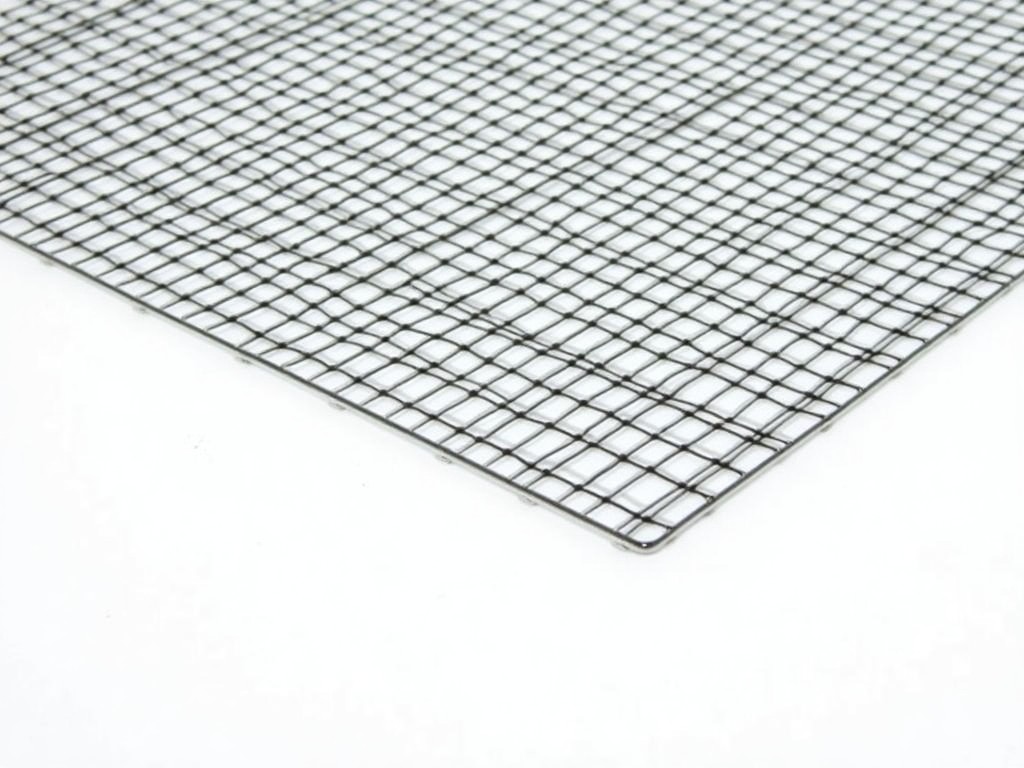
The walking surface incorporates a pattern of raised buttons or perforations that increase the coefficient of friction to values typically above 0.6 under dry conditions and 0.45 when wet. This geometry channels liquids away from the contact area, reducing hydroplaning risk.
Surface treatments such as anodizing or powder coating can further modify the frictional characteristics without compromising the underlying aluminum substrate.
Load Bearing Capacity and Deflection
Standard grating plates are designed to support a uniformly distributed load of 3 kN/m² with a maximum deflection limited to L/200, where L is the span between supports. For pedestrian walkways, this translates to a safety factor of approximately 2.5 against permanent deformation.
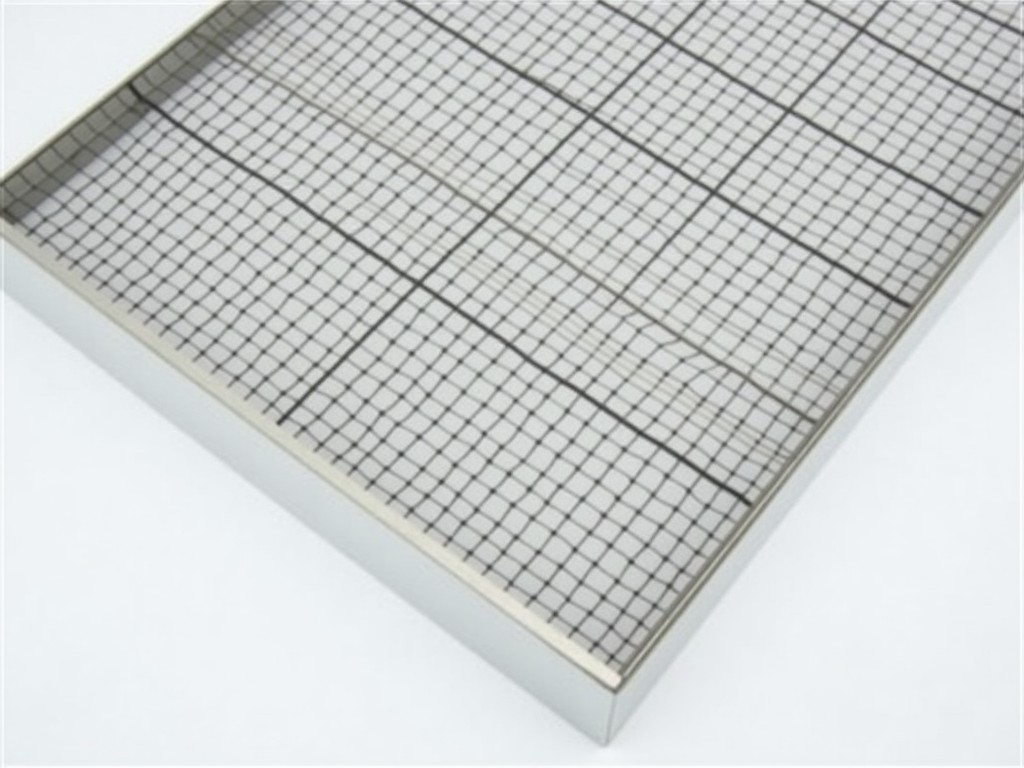
Finite element analysis shows that the rib orientation and bar thickness (commonly 25 mm × 3 mm) contribute most to bending stiffness, while the open area ratio (around 70 %) influences weight and drainage.
Corrosion Resistance and Surface Treatment
Aluminum naturally forms a thin, adherent oxide layer that protects against atmospheric corrosion. In marine or industrial environments, an anodic oxide coating of 15–25 µm thickness can be applied to increase resistance to chloride ingress.
Powder coating with polyester or epoxy resins provides an additional barrier, offering UV stability and color options for architectural integration.
Manufacturing Process
Extrusion of the aluminum billet produces the basic grating profile, which is then cut to length and subjected to punching or stamping to create the slip‑resistant pattern. Subsequent steps include deburring, cleaning, and optional surface treatment.
Quality checks are performed after each stage, verifying dimensional tolerances (±0.5 mm on width, ±1 mm on length) and surface roughness (Ra ≤ 3.2 µm for untreated surfaces).
Standard Dimensions and Customization
| Parameter | Typical Range | Notes |
|---|---|---|
| Panel Width | 200 mm – 600 mm | Custom widths available in 50 mm increments |
| Panel Length | 600 mm – 3000 mm | Lengths >3000 mm require spliced joints |
| Bar Thickness | 2 mm – 5 mm | Affects load capacity and weight |
| Open Area Ratio | 60 % – 80 % | Higher ratio improves drainage |
| Surface Finish | Mill, Anodized, Powder Coated | Color and gloss levels per RAL |
Dimensions outside the typical range are evaluated case‑by‑case, with tooling adjustments possible for volumes exceeding 500 pieces.
Applications
In food processing facilities, the grating’s corrosion‑resistant surface withstands frequent washdowns with alkaline cleaners, while the slip‑resistant pattern reduces accidents in areas prone to water and oil spillage.
Marine docks and offshore platforms benefit from the low weight of aluminum, easing handling during installation, and the anodic coating resists salt‑induced pitting.
Architectural promenades and public transit stations use customized colors and finishes to match design aesthetics, while maintaining the required load ratings for pedestrian traffic and occasional service carts.
Quality Assurance
Each batch undergoes chemical composition verification via optical emission spectroscopy, ensuring the alloy limits for magnesium, silicon, and iron are within specification.
Mechanical testing includes tensile strength and elongation on sample coupons, with acceptance criteria aligned to AA6063‑T5 standards (UTS ≥ 200 MPa, EL ≥ 8 %).
Dimensional inspection is performed on a statistical sampling basis (AQL = 0.65) using calibrated calipers and coordinate measuring machines for critical features such as bar spacing and hole diameter.
Packaging and Shipping
Finished plates are stacked on wooden pallets with interleaving corrugated sheets to prevent surface abrasion. The stack is secured with polyester straps and stretch‑wrapped to protect against moisture during transit.
For export, pallets are placed in ISO‑standard containers with desiccant packs, and a fumigation certificate is provided upon request. Typical lead time from order confirmation to shipment is 3–4 weeks, depending on surface treatment complexity.
Frequently Asked Questions
A: Yes, the punching tool can be modified to produce alternative button shapes, sizes, or layouts based on customer‑provided drawings.
A: Required details include panel dimensions, bar thickness, open area ratio, desired surface finish, quantity, and delivery destination.
A: Sample sections (up to 300 mm × 300 mm) can be supplied at cost, with freight charges borne by the requester.