China Acoustic Noise Sound Barrier Panels Manufacturer
Acoustic noise sound barrier panels are engineered assemblies designed to attenuate airborne sound transmission between adjacent spaces. They combine a sound‑absorbing core with a protective facing
Request a QuoteChina Acoustic Noise Sound Barrier Panels Manufacturer
Product Overview
Acoustic noise sound barrier panels are engineered assemblies designed to attenuate airborne sound transmission between adjacent spaces. They combine a sound‑absorbing core with a protective facing to achieve targeted sound transmission loss (STC) while resisting environmental exposure such as UV, moisture, and temperature cycling.
Core Technical Parameters
| Parameter | Typical Range | Test Standard |
|---|---|---|
| Thickness | 50 mm – 150 mm | ISO 10140‑2 |
| Core Density | 60 kg/m³ – 100 kg/m³ | ASTM C1029 |
| Sound Transmission Loss (STC) | 28 dB – 38 dB | ISO 10140‑2 |
| Noise Reduction Coefficient (NRC) | 0.70 – 0.90 | ASTM C423 |
| Fire Rating | A2‑s1,d0 (EN 13501‑1) | EN 13501‑1 |
| Operating Temperature | ‑40 °C to +80 °C | Manufacturer specification |
Material Composition and Performance
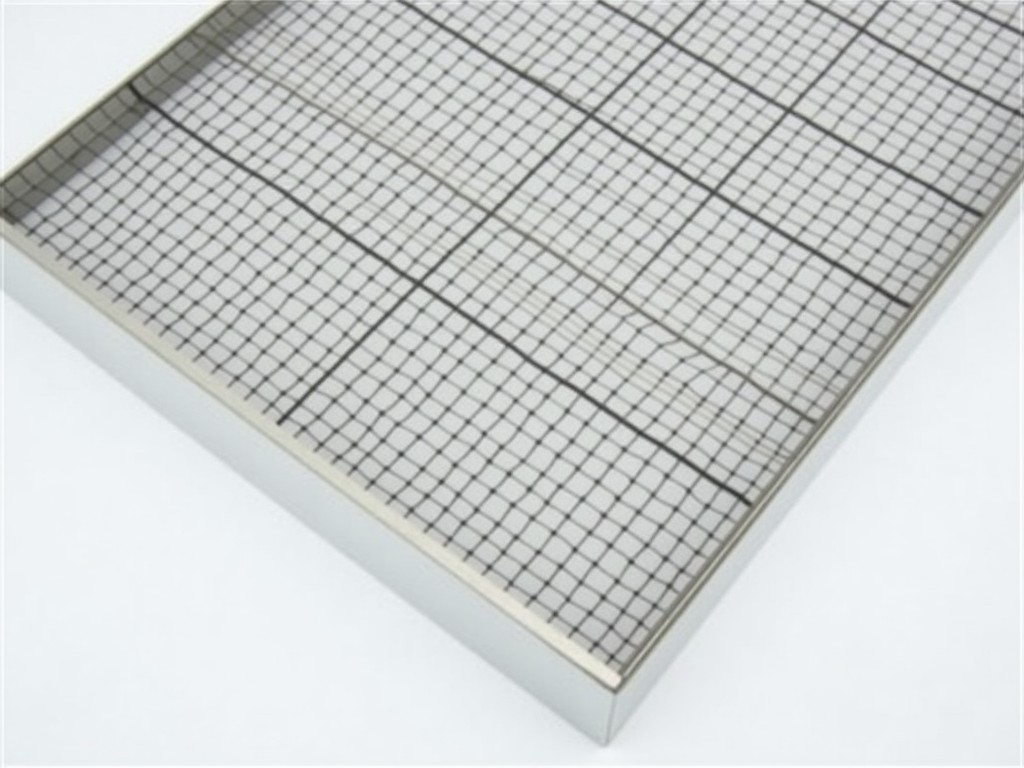
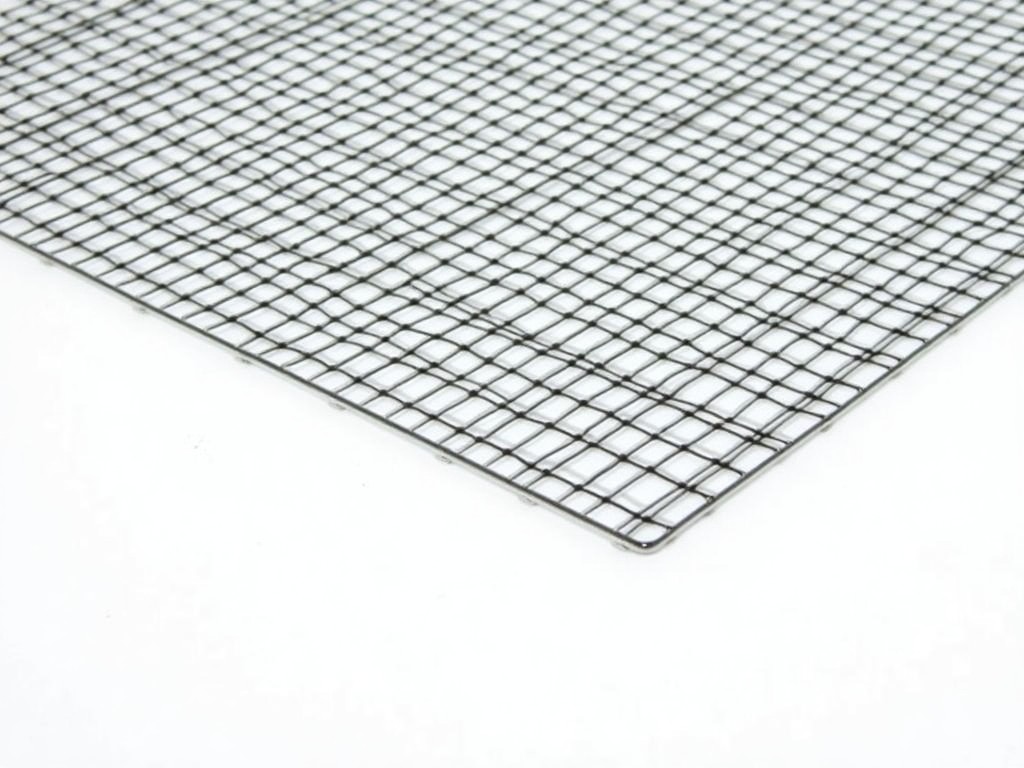
The core is typically manufactured from mineral wool or glass wool fibers bonded with a thermosetting resin, providing both sound absorption and inherent fire resistance. Facings consist of perforated steel, aluminum, or composite sheets that protect the core while allowing sound to enter the absorptive layer. The perforation ratio and hole diameter are tuned to match the target frequency range, influencing the NRC value.
Increasing core density raises the mass law contribution, improving STC at mid‑high frequencies, while a thicker absorptive layer enhances low‑frequency absorption. The facing material’s yield strength and coating determine resistance to corrosion in coastal or industrial atmospheres.
Design Flexibility and Customization
- Thickness adjustable in 10 mm increments from 50 mm to 150 mm to meet specific STC targets.
- Facing options include galvanized steel, pre‑painted aluminum, or fiberglass‑reinforced polyester with various coating thicknesses.
- Perforation patterns (round, slot, square) and open area ratios (5 %–25 %) are selectable to shape the absorption spectrum.
- Edge treatments such as folded, lapped, or gasketed seals facilitate seamless installation and prevent flanking paths.
- Mounting systems range from direct‑fix brackets to independent stanchion frames, allowing retrofitting onto existing structures.
Typical Industrial Applications
- Power generation facilities use panels to contain turbine and transformer noise, protecting nearby residential zones and meeting community noise ordinances.
- Petrochemical plants install barriers around compressors and flare stacks to attenuate low‑frequency rumble that can propagate over long distances.
- Transportation infrastructure, such as railway yards and highway overpasses, employs panels to reduce pass‑by noise for adjacent buildings and improve worker communication.
- Manufacturing workshops with high‑speed stamping or machining lines apply localized barriers to isolate impact noise and maintain acceptable interior sound levels for operator safety.
- Data centers and telecom shelters incorporate acoustic panels to limit HVAC and generator noise, ensuring stable environmental conditions for sensitive equipment.
Quality Assurance and Testing
Raw material lots are inspected for fiber diameter, resin content, and moisture level before entering production. During forming, thickness and density are monitored via inline laser gauges, with deviations triggering automatic adjustments. After curing, each panel undergoes a standardized sound transmission loss test in a reverberation chamber according to ISO 10140‑2, and a complementary absorption measurement per ASTM C423. Visual inspection verifies facing integrity, perforation uniformity, and edge quality.
Statistical process control charts track key parameters; any batch exceeding control limits is segregated for root‑cause analysis. Final documentation includes a test report showing measured STC, NRC, thickness, and fire classification, traceable to the specific production order.
Packaging, Shipping and Handling
- Panels are stacked on pallets with interleaving corrugated sheets to prevent surface abrasion.
- Edge protectors and stretch‑film wrapping secure the load against shifting during transit.
- For overseas shipments, panels are placed in fumigated wooden crates meeting ISPM‑15 standards, with desiccant packs to control humidity.
- Handling instructions recommend using suction lifts or balanced fork lifts to avoid point loads that could deform the facing.
- Each package carries a label with order number, dimensions, weight, and QR code linking to the inspection certificate.
Frequently Asked Questions
A: Yes, custom lengths and widths are available upon request, subject to transportation limits and handling equipment capabilities.
A: Project details including required STC/NRC values, panel dimensions, facing material preference, mounting method, and delivery location enable accurate pricing and lead‑time estimation.
A: Core options are mineral wool or glass wool with densities from 60 kg/m³ to 100 kg/m³. Facing choices include galvanized steel, pre‑painted aluminum, and fiberglass‑reinforced polyester, each with selectable coating thicknesses.
A: Every batch undergoes dimensional verification, acoustic testing per ISO 10140‑2, and visual inspection of facing and edges; results are documented in a test report accompanying the shipment.
A: Standard packaging uses palletized stacking with corrugated interleayers and stretch film; export crates are available for additional protection, details can be reviewed here.
Contact for Technical Inquiry
For project‑specific acoustic calculations, sample requests, or to discuss custom configurations, please reach out to our engineering team via the contact form.