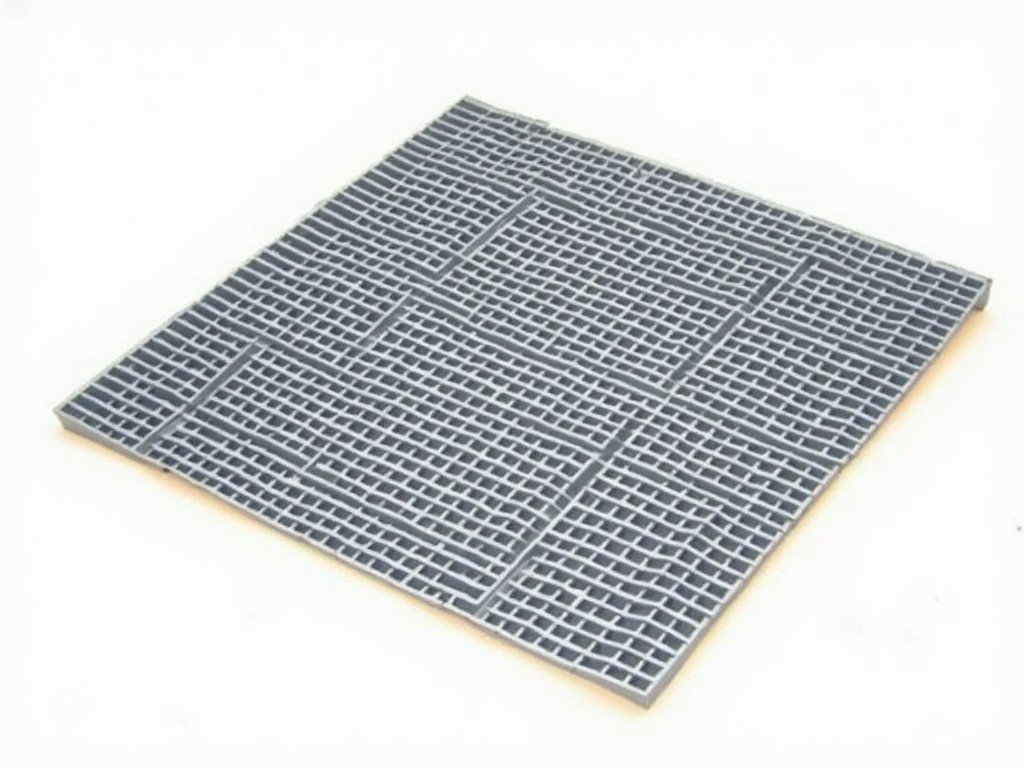
Buy Metal Channel Drain Driveway Grates Supplier
Metal channel drains with integrated grates are used to collect surface water from driveways, parking areas, and pedestrian walkways while providing a load‑bearing surface for vehicles and foot
Request a QuoteBuy Metal Channel Drain Driveway Grates Supplier
Metal channel drains with integrated grates are used to collect surface water from driveways, parking areas, and pedestrian walkways while providing a load‑bearing surface for vehicles and foot traffic.
Technical Specifications
Standard channel depths range from 100 mm to 200 mm, with widths of 150 mm or 200 mm to match common driveway slab thicknesses. The grate opening (slot) is typically 10 mm wide, allowing efficient water intake while restricting debris larger than 12 mm. Wall thickness of the channel body is usually 3 mm for carbon steel grades, providing sufficient rigidity under dynamic loads.
Material Options
Channels are fabricated from hot‑rolled S235JR carbon steel or, for corrosive environments, from stainless steel grade 304 or 316L. Surface protection options include hot‑dip galvanizing to a minimum zinc coating of 60 µm, powder coating in RAL colors, or a combination of galvanizing followed by a sealant for enhanced durability. Material thickness can be increased to 4 mm or 5 mm when higher impact resistance is required.
Design Features
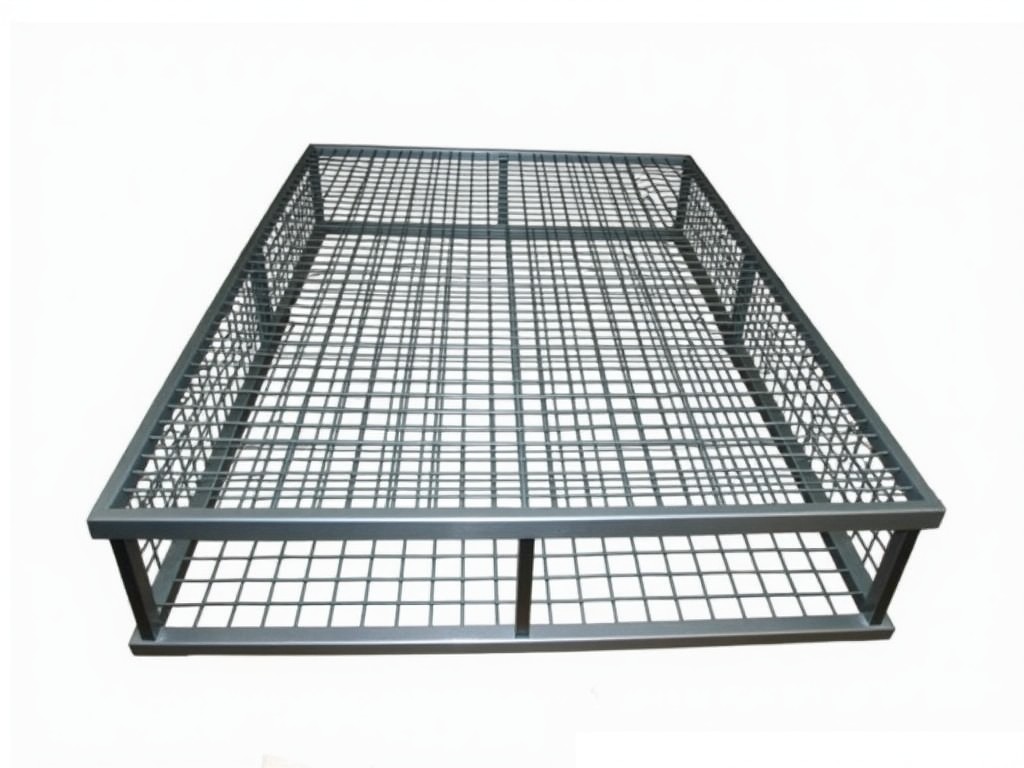
The channel adopts a U‑shaped profile with a flat bottom to facilitate smooth water flow toward the outlet. Grates feature a longitudinal bar pattern with slip‑resistant ribs spaced at 25 mm intervals, meeting the DIN 51130 R10 classification for pedestrian areas. Interlocking ends allow straight runs without gaps, and integrated side flanges simplify alignment during installation.
Load Ratings and Performance
Products are tested according to EN 1433 and assigned load classes A15, B125, C250, D400, or E600 depending on the intended traffic. A C250 rating indicates the grate can sustain a 25 kN point load without permanent deformation, suitable for residential driveways and light commercial parking. For heavy‑duty applications such as loading docks, D400 or E600 classes are specified, requiring thicker walls and reinforced grate designs.
Installation Guidelines
Proper installation ensures long‑term performance and prevents settlement or water ingress.
- Excavate a trench to the required depth, allowing a 100 mm bedding layer of compacted gravel beneath the channel.
- Place the channel on the bedding, check slope (minimum 0.5 % toward the outlet) using a laser level.
- Connect outlet pipes with PVC or HDPE fittings, sealing joints with flexible rubber gaskets.
- Backfill with granular material, compact in layers, and finish with the surrounding pavement.
- After curing, verify that the grate sits flush with the surface and that water flows freely into the channel.
Typical Applications
Driveway channels manage runoff from sloped surfaces, reducing hydrostatic pressure on adjacent structures and minimizing the risk of frost heave in cold climates. In parking lots, they collect water from vehicle tires, preventing ponding that can degrade asphalt over time. Pedestrian walkways benefit from the slip‑resistant grate surface, which maintains safety even when wet.
Quality Assurance
Each channel is laser‑cut to a length tolerance of ±2 mm and welded using robotic MIG processes to achieve consistent bead penetration. Grates undergo a load‑deflection test where a 10 kN load is applied at the center; deflection must remain below 3 mm to pass. Visual inspection checks for weld porosity, coating uniformity, and correct slot alignment before packaging.
Customization Options
Typical lengths are 1 m, 2 m, and 3 m, but channels can be cut to any length between 500 mm and 6 m to match project layouts. Outlet positions can be specified at the left, right, or both ends, with diameters ranging from 100 mm to 200 mm for PVC or HDPE pipe connections. Additional options include heel‑proof grates (slot width ≤ 5 mm) for pedestrian zones, and anti‑vandal locking bolts that require a special tool for removal.
Standard Size Comparison
| Parameter | 100 mm Depth | 150 mm Depth | 200 mm Depth |
|---|---|---|---|
| Channel Width (mm) | 150 | 150 | 200 |
| Wall Thickness (mm) | 3 | 3 | 4 |
| Slot Width (mm) | 10 | 10 | 10 |
| Load Class (EN 1433) | C250 | C250 | D400 |
| Weight per Meter (kg) | 8.5 | 10.2 | 14.7 |
Frequently Asked Questions
Can dimensions be customized? Yes. Channel length, width, depth, and outlet diameter can be adjusted to meet site‑specific requirements. Custom lengths are typically produced in 500 mm increments, while non‑standard widths require a new tooling setup.
What information is required before quotation? To generate an accurate quote we need the desired load class, channel dimensions (length, width, depth), grate type (standard or heel‑proof), surface finish (galvanized, powder coated, stainless), and the delivery destination. Providing a sketch or CAD file speeds up the review.
Which materials are offered? Standard offering includes hot‑rolled S235JR carbon steel with hot‑dip galvanizing. For aggressive environments, stainless steel grades 304 and 316L are available. Optional coatings such as epoxy powder or polyurethane can be applied over the galvanized layer for additional chemical resistance.
How is quality inspected? Every batch undergoes dimensional verification using calibrated CMM equipment, weld seam inspection via ultrasonic testing, and coating thickness measurement with a magnetic induction gauge. Load testing is performed on a representative sample from each production lot to confirm compliance with the declared EN 1433 class.
Contact Us
To discuss your project requirements, request a detailed quotation, or arrange a sample shipment, please reach out via the contact form or email. Our technical team will respond within one business day to confirm specifications, lead times, and logistics options.