Bulk Ada Compliant Aluminum Bar Grating Decking Manufacturer
Aluminum bar grating decking consists of parallel bearing bars joined by perpendicular cross rods, forming a rigid open‑grid panel. When manufactured to ADA guidelines, the grating provides a
Request a QuoteBulk ADA Compliant Aluminum Bar Grating Decking Manufacturer
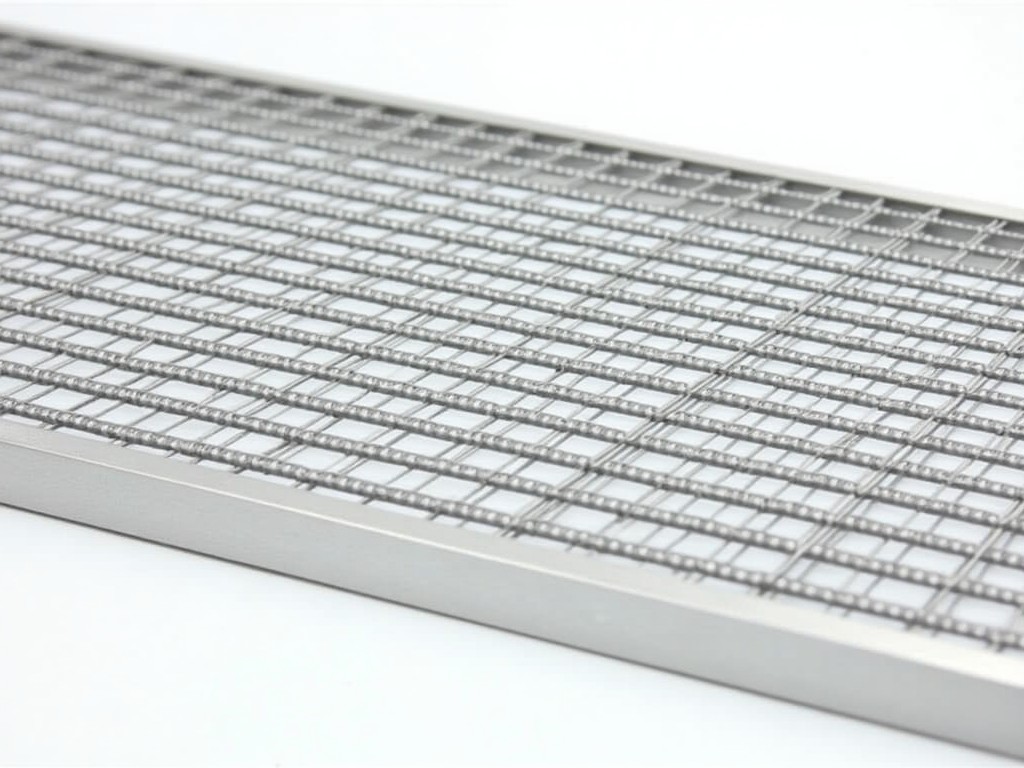
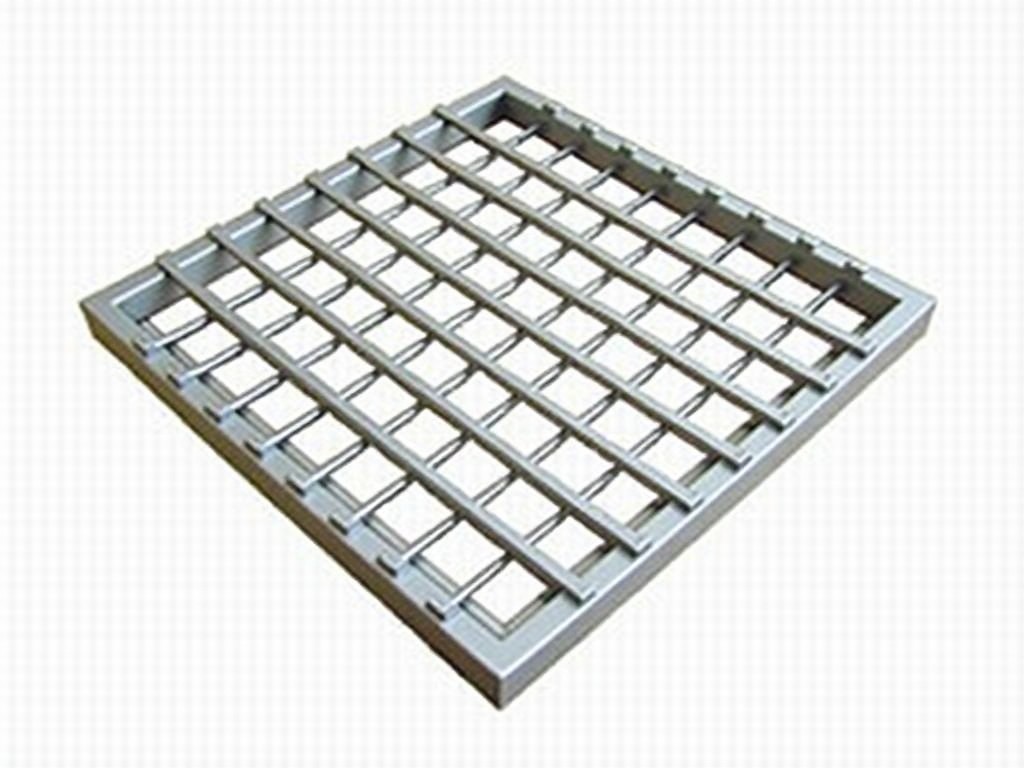
Aluminum bar grating decking consists of parallel bearing bars joined by perpendicular cross rods, forming a rigid open‑grid panel. When manufactured to ADA guidelines, the grating provides a continuous, slip‑resistant walking surface with openings limited to 0.5 inches or less, ensuring accessibility for wheelchairs, canes, and mobility aids.
Bulk production focuses on tight dimensional tolerances, consistent bar alignment, and repeatable surface treatment across large quantities. Manufacturers typically use extrusion‑formed 6063‑T6 alloy bars, which offer a predictable strength‑to‑weight ratio and corrosion resistance suitable for outdoor and industrial environments.
Material and Construction
The bearing bars are extruded from 6063‑T6 aluminum, a alloy with a minimum tensile strength of 20 ksi and yield strength of 14 ksi. Standard bar thicknesses range from 0.125 in to 0.250 in, while bar heights vary from 1.0 in to 2.5 in depending on load requirements.
Cross rods are typically solid round or square bars, welded or mechanically locked to the bearing bars at intersections. The open area percentage, defined as the ratio of void space to total panel area, commonly falls between 60 % and 75 % for ADA‑compliant grids, balancing drainage with surface continuity.
Surface treatments include mill finish, clear anodize (Coating Thickness ≥ 0.0007 in), or polyester powder coat (Dry Film Thickness ≥ 2 mil). These finishes affect both corrosion resistance and slip resistance, measured by the dynamic coefficient of friction (DCOF) under wet conditions.
ADA Compliance Specifications
The Americans with Disabilities Act requires that grating openings not exceed 0.5 inch in any direction to prevent entrapment of wheelchair casters, cane tips, or ambulatory devices. Additionally, the walking surface must exhibit a slip‑resistant characteristic, typically a DCOF ≥ 0.60 when tested per ASTM F2913 under wet conditions.
Manufacturers achieve compliance by controlling bar spacing (center‑to‑center distance) to 0.5 in or less, and by applying a serrated or abrasive‑treated top surface on the bearing bars. Edge treatments, such as rounded nosings or curb extensions, further reduce tripping hazards while maintaining the open‑grid drainage function.
Mechanical Performance
| Property | Typical Value | Unit | Notes |
|---|---|---|---|
| Bearing bar thickness | 0.125 – 0.250 | in | Selected based on span and load |
| Bearing bar height | 1.0 – 2.5 | in | Determines section modulus |
| Open area | 60 – 75 | % | ADA‑compliant range |
| Uniform load capacity | Up to 5,000 | psf | Depends on bar size and spacing |
| Deflection limit (L/200) | ≤ | in | Typical serviceability criterion |
| Weight per square foot | 1.2 – 2.5 | lb/ft² | Varies with bar dimensions |
Typical Applications
- Pedestrian walkways and transit station platforms where continuous drainage and wheelchair‑accessible surfaces are required.
- Industrial flooring in food processing, chemical, and wastewater facilities where corrosion resistance and slip resistance are critical.
- Parking garage ramps and loading docks that need a lightweight yet load‑bearing grating to accommodate vehicle traffic and pedestrian flow.
- Marine docks and pier walkways exposed to saltwater, where aluminum’s natural oxide layer reduces maintenance.
Customization Options
- Bearing bar dimensions: thickness from 0.125 in to 0.5 in, height from 0.75 in to 3.0 in.
- Center‑to‑center spacing: 0.375 in, 0.5 in, 0.625 in, or custom per project load.
- Surface treatment: mill finish, clear anodize (Class I or II), polyester powder coat in standard colors, or slip‑resistant grit coating.
- Edge configurations: square, rounded nosing, curb extensions, or welded frames for panel rigidity.
- Panel sizes: standard widths up to 48 in and lengths up to 240 in, with custom cutting to fit specific layouts.
Quality Control and Testing
Incoming aluminum extrusion is inspected for dimensional conformity, alloy composition (via spectrometer), and surface defects before entering the fabrication line.
Each fabricated panel undergoes a dimensional verification of bearing bar height, thickness, and spacing using calibrated gauges; tolerances are typically held to ±0.010 in for thickness and ±0.020 in for spacing.
Mechanical proof testing is performed on a sample batch to confirm uniform load capacity and deflection characteristics, following ASTM F1267 standards for metal grating.
Slip resistance is validated by wet DCOF testing per ASTM F2913, ensuring the finished surface meets or exceeds the ADA‑recommended threshold of 0.60.
Final visual inspection checks for weld integrity, coating uniformity, and absence of sharp edges before packaging.
Frequently Asked Questions
Yes. Bearing bar thickness, height, and spacing are adjustable based on load calculations and span requirements. Custom panel lengths and widths are also available upon request.
To provide an accurate quote, we require the intended bearing bar size, spacing, panel dimensions, surface finish, and any edge treatments. Load conditions and installation environment help us confirm the appropriate alloy temper and coating.
We measure opening sizes with calibrated gauges and conduct wet DCOF tests on representative samples. Documentation of these measurements is included with each shipment.
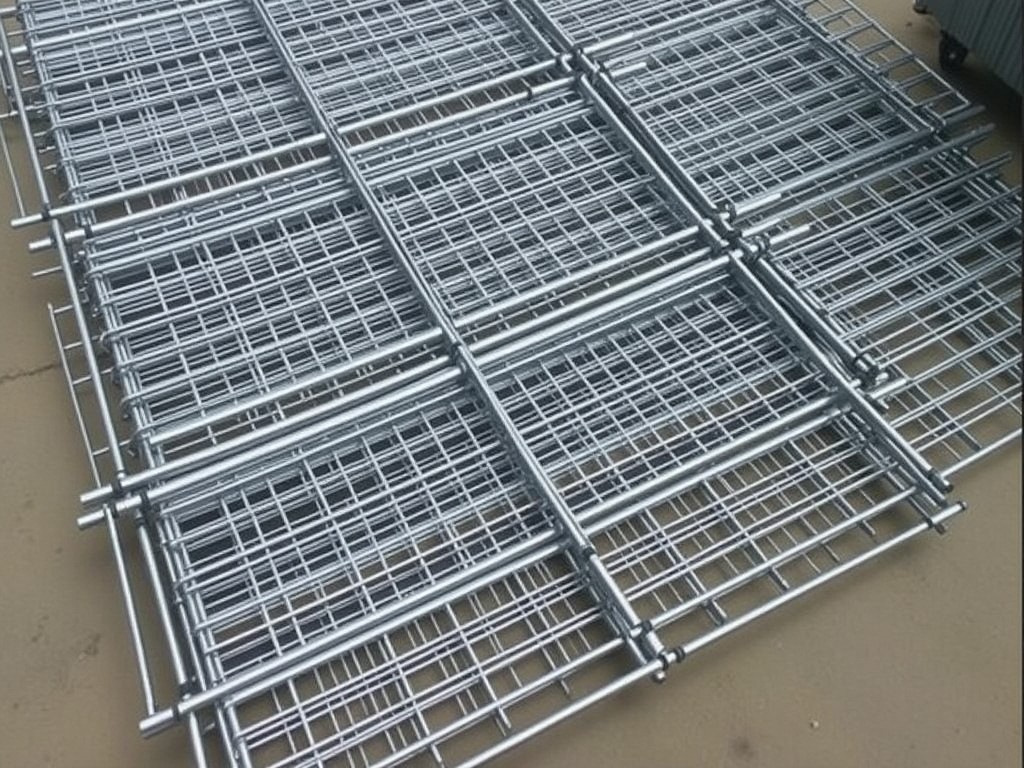
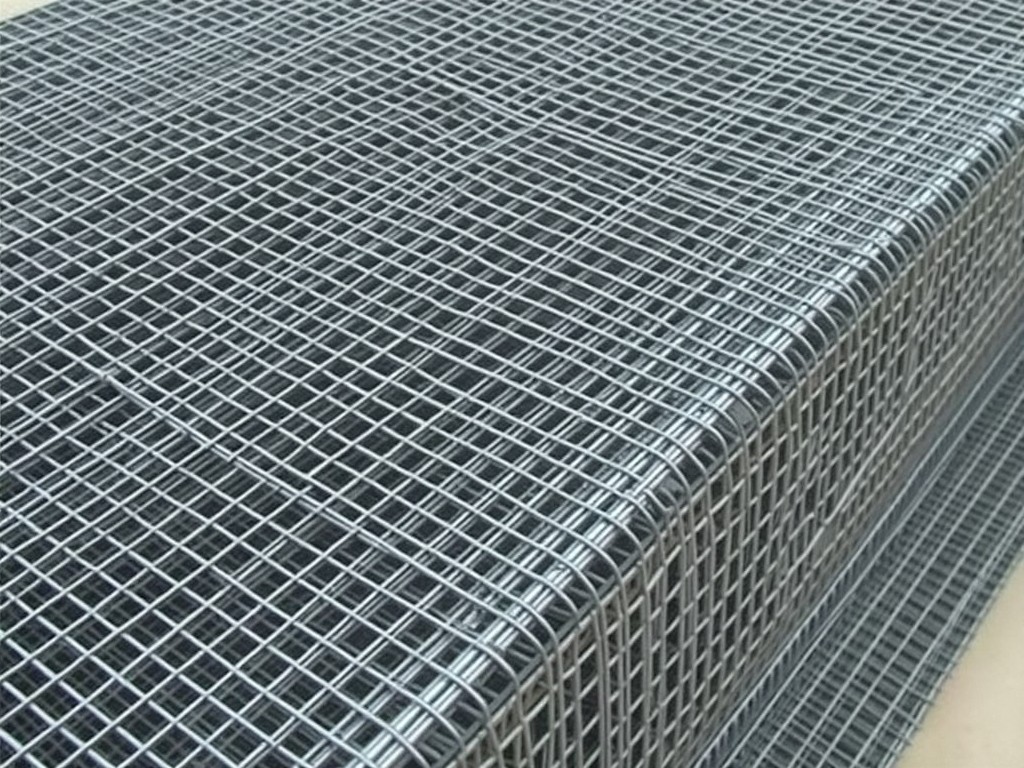
Panels are stacked on pallets with protective corner guards, wrapped in stretch film, and secured with steel straps. For export shipments, we use heat‑treated wooden pallets and moisture‑barrier lining.
Contact Us
Our engineering team can review your project specifications, confirm load capacities, and provide lead times for bulk orders. Reach out to discuss technical details or request a formal quotation.
Request a Quote