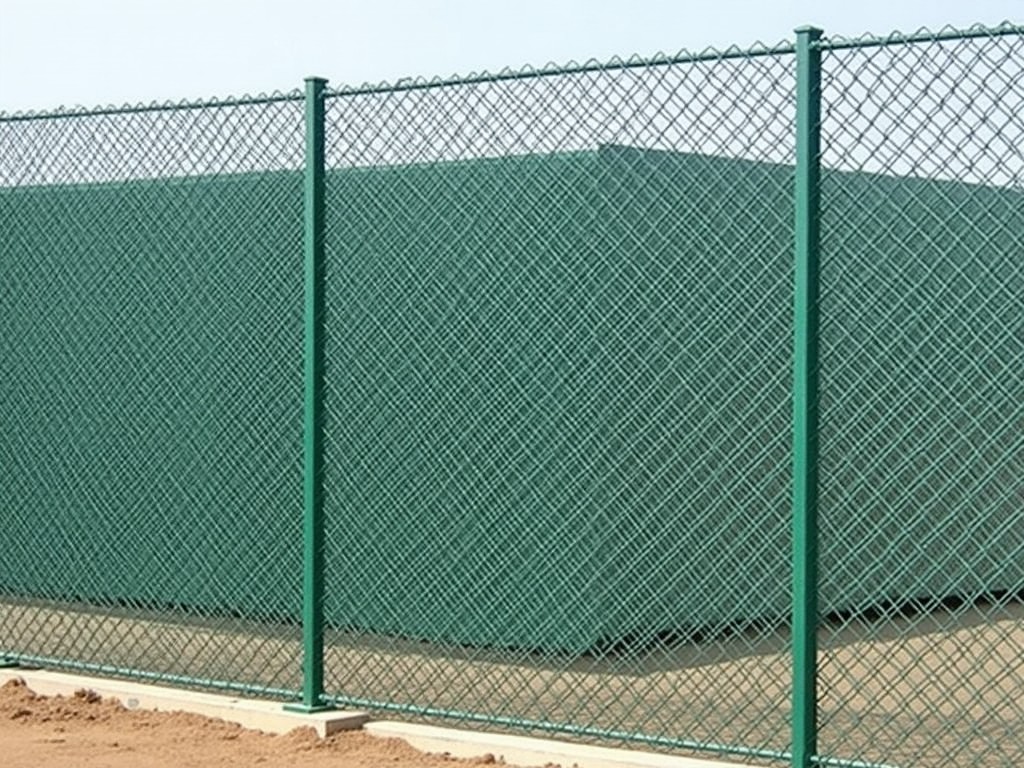
Factory Direct Galvanized Steel Wire Mesh Fencing Rolls Exporter
These rolls consist of low‑carbon steel wire that is hot‑dip galvanized to form a uniform zinc coating before being welded or woven into a square or rectangular mesh pattern. The product is supplied
Request a QuoteFactory Direct Galvanized Steel Wire Mesh Fencing Rolls Exporter
These rolls consist of low‑carbon steel wire that is hot‑dip galvanized to form a uniform zinc coating before being welded or woven into a square or rectangular mesh pattern. The product is supplied in continuous lengths wound on spools or cores, ready for immediate deployment in perimeter security, agricultural enclosure, or industrial partitioning.
Key Technical Specifications
| Parameter | Typical Value | Notes |
|---|---|---|
| Wire Diameter | 1.2 mm – 4.0 mm | Selected per load requirement |
| Zinc Coating Mass | 200 g/m² – 350 g/m² | Hot‑dip galvanized, ISO 1461 |
| Mesh Opening | 25 mm × 25 mm – 100 mm × 100 mm | Square or rectangular |
| Roll Width | 0.5 m – 2.5 m | Custom widths available |
| Roll Length | 10 m – 100 m | Depends on wire diameter and weight limits |
| Tensile Strength (Wire) | 350 MPa – 550 MPa | Cold‑drawn low‑carbon steel |
| Weight per Meter | 0.8 kg/m – 4.5 kg/m | Calculated from diameter and mesh |
Material and Coating Details
The base wire is produced from SAE 1008/1010 low‑carbon steel, chosen for its consistent elongation and weldability. After drawing to the target diameter, the wire passes through a molten zinc bath at approximately 450 °C, forming a metallurgical bond that provides barrier protection against moisture and soil chemicals. Coating thickness is measured in grams per square meter; a 275 g/m² layer typically yields a service life of 15–25 years in temperate climates before significant zinc depletion occurs.
Typical Applications
- Perimeter security for warehouses and logistics yards where impact resistance and visibility are required.
- Livestock enclosures where corrosion resistance to manure and urine extends fence life.
- Temporary site fencing for construction projects, allowing rapid installation and removal.
- Agricultural crop protection against wildlife, where the mesh size prevents entry while allowing airflow.
Quality Assurance and Testing
Each production lot undergoes tensile testing on a representative wire sample to confirm minimum yield strength. Coating adhesion is assessed by the bend test per ASTM A123, ensuring no flaking when the wire is bent over a mandrel equal to its diameter. Visual inspection checks for uniform zinc coverage, absence of bare spots, and proper mesh alignment before winding.
Customization Options
- Wire diameter from 1.2 mm to 4.0 mm in 0.1 mm increments.
- Mesh opening sizes tailored to specific animal or debris exclusion needs.
- Alternative coatings such as Galfan (Zn‑Al) or PVC over‑coat for enhanced abrasion resistance.
- Custom roll lengths and widths to match site‑specific handling equipment.
- Printed or embossed identification tapes for inventory control.
Packaging and Export Logistics
Rolls are wrapped in UV‑stabilized polyethylene film, then placed on wooden pallets with corner protectors to prevent deformation during transit. For overseas shipments, pallets are strapped and loaded into 20‑ft or 40‑ft containers with moisture‑absorbing desiccants. Packaging methods can be adjusted to meet specific port handling regulations or customer unloading procedures.
Frequently Asked Questions
- Can dimensions be customized? Yes, wire diameter, mesh opening, roll width and length are all adjustable per project requirements.
- What information is needed for a quotation? Required details include wire diameter, mesh size, coating mass, total linear meters, and any special packaging or certification requests.
- How is quality inspected before shipment? Each batch receives tensile, coating adhesion, and visual checks; test reports are available upon request.
- What is the typical production lead time? Lead times range from 10 to 25 working days depending on order complexity and current plant load.
- How are samples arranged? Free sample lengths up to 5 meters can be dispatched; the recipient covers courier costs.
Contact for Inquiry
For technical assistance, pricing, or to request a detailed specification sheet, please reach out via the contact form. Our engineering team will respond with the necessary data to support your evaluation process.
Submit Inquiry


