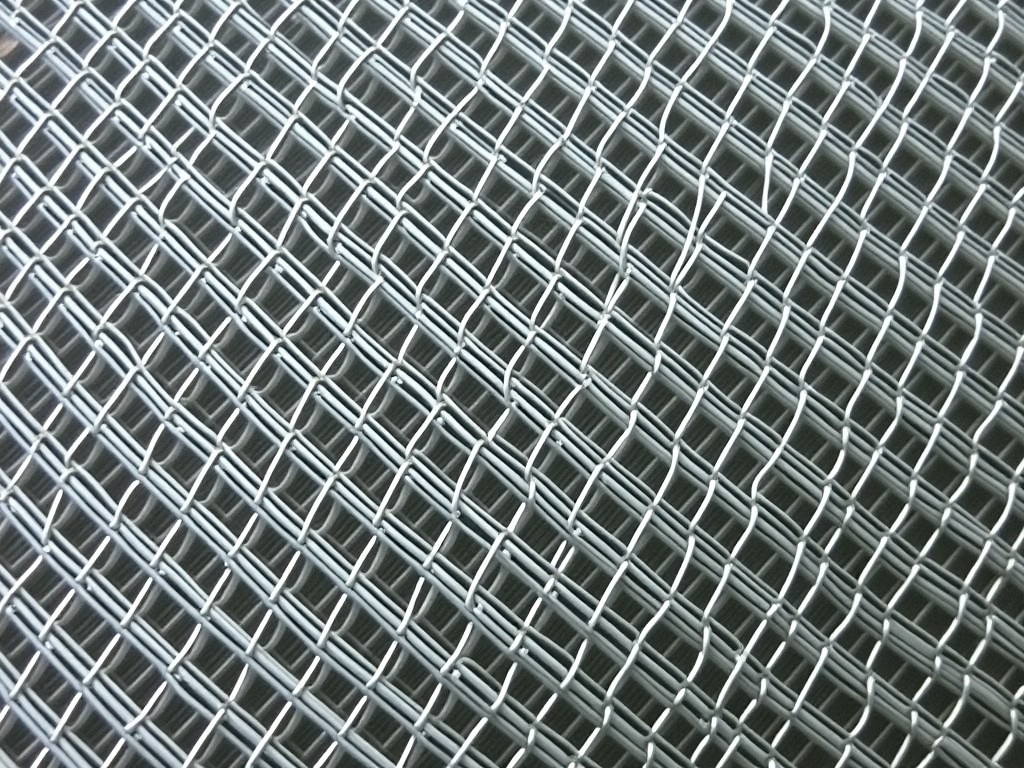
Custom Steel Woven Wire Rolled Fencing Manufacturer
Rolled woven wire fencing is produced by interlocking steel wires in a uniform mesh pattern and winding the resulting fabric onto a core for easy handling and installation. The roll format reduces
Request a QuoteCustom Steel Woven Wire Rolled Fencing Manufacturer
Overview of Rolled Woven Wire Fencing
Rolled woven wire fencing is produced by interlocking steel wires in a uniform mesh pattern and winding the resulting fabric onto a core for easy handling and installation. The roll format reduces on‑site labor because the fence can be unrolled, tensioned, and secured in continuous lengths. This method is particularly advantageous for long perimeters where minimizing joints improves structural continuity and reduces potential failure points.
Typical applications demand consistent opening sizes and wire diameters to meet load‑bearing and containment requirements. By controlling the weaving tension and roll tightness, manufacturers can deliver products that maintain dimensional stability under varying environmental loads such as wind, animal pressure, or soil movement.
Material Specifications
The base steel is typically low‑carbon cold‑drawn wire, grades such as Q195 or Q235, selected for its ductility and tensile strength after drawing. Wire diameters commonly range from 1.2 mm to 4.0 mm, with tensile strengths between 350 MPa and 550 MPa depending on the draw reduction.
Opening sizes (mesh) are expressed as the clear distance between adjacent wires and can vary from 12 mm for small‑animal containment to 100 mm or more for livestock and security barriers. The zinc coating weight is usually specified in grams per square meter (gsm); standard hot‑dip galvanization provides 150 gsm to 275 gsm, offering corrosion resistance suitable for outdoor service lives exceeding 15 years in moderate climates.
Manufacturing Process
The process begins with drawing steel rod to the target wire diameter through a series of dies, which increases tensile strength and reduces diameter tolerance to ±0.02 mm. Wires are then fed into a weaving loom where helical and straight wires are interlaced at precise angles to form the desired mesh geometry.
After weaving, the fabric passes through a rolling station that winds it onto a steel or wooden core while maintaining uniform tension; tension monitoring ensures the roll does not develop loose sections or over‑tight spots that could cause meshing distortion. The rolled product is finally cut to length, and optional coating or PVC extrusion is applied before packaging.
Customization Options
- Wire diameter: selectable from 1.2 mm to 4.0 mm in 0.1 mm increments.
- Opening size: customizable from 12 mm to 150 mm clear mesh.
- Roll width: standard widths 0.5 m, 1.0 m, 1.5 m, 2.0 m; custom widths available upon request.
- Roll length: typically 20 m to 100 m per roll; longer lengths achievable with spliceless cores.
- Coating: hot‑dip galvanization (150‑275 gsm), galfan, or PVC coating (0.5 mm‑1.0 mm thickness).
- Edge finish: selvedge, knuckle, or twisted lock for safety and ease of installation.
Applications and Suitability
In agricultural settings, the fence provides a physical barrier that controls livestock movement while allowing airflow and visibility, reducing heat stress compared to solid panels. The uniform opening size prevents hoof entrapment, a critical safety factor for cattle and horses.
For security perimeters, the high tensile wire and optional anti‑climb coatings create a deterrent that resists cutting and bending. The rolled format enables rapid deployment over long distances, minimizing the number of joints that could be exploited as weak points.
Infrastructure projects such as highway right‑of‑way protection or reservoir embankments benefit from the fence’s ability to conform to uneven terrain when installed with proper tensioning, maintaining continuous coverage without gaps that could allow debris or animal passage.
Quality Control Philosophy
Dimensional verification is performed at each stage: wire diameter is measured with laser micrometers (±0.01 mm), opening size is checked using calibrated gauges, and roll width is monitored with inline sensors to maintain tolerance within ±2 mm.
Mechanical testing includes tensile strength tests on random wire samples per lot, ensuring the minimum strength meets the specification for the selected grade. Adhesion of the zinc coating is assessed by pull‑off tests, targeting a minimum adhesion strength of 2 MPa to prevent premature flaking.
Visual inspection identifies weaving defects such as missed wires or irregular tension; any roll exceeding a defect threshold of 0.5 % per linear meter is set aside for rework. Final product is weighed per meter to confirm that mass per unit length aligns with the calculated value based on wire diameter, opening, and coating weight.
Packaging and Shipping
Rolls are placed on sturdy cores (steel or treated wood) and wrapped with UV‑stabilized polyethylene film to protect against moisture and mechanical damage during transit. Edge protectors are added to prevent deformation of the roll ends.
Standard palletizing accommodates up to 20 rolls per pallet, secured with stretch strapping for container loading. For overseas shipments, additional corrosion‑inhibiting VCI (vapor corrosion inhibitor) sheets may be inserted within the wrap to extend shelf life in humid environments.
Each package includes a label indicating wire diameter, opening size, roll length, coating type, and batch number, facilitating traceability and simplifying inventory management for distributors and contractors.
Frequently Asked Questions
- Can dimensions be customized? Yes, wire diameter, opening size, roll width, length, and coating can be tailored to project specifications.
- What information is required before quotation? Required details include desired wire diameter, mesh opening, roll dimensions, coating preference, quantity, and delivery location.
- What materials are available? Low‑carbon steel Q195/Q235 with optional hot‑dip galvanization, galfan, or PVC coating; stainless steel grades are available upon request.
- How is quality inspected? Inline dimensional checks, tensile testing of wire samples, coating adhesion tests, and visual defect audits are performed per lot.
- What packaging methods are available? Standard polyethylene wrap with edge protectors; optional VCI sheets and wooden or steel cores for added protection.
- How are export shipments protected? Rolls are wrapped, strapped on pallets, and may include VCI additives; containers are loaded to minimize movement.
- What is the typical production lead time? Lead time varies with order size and customization but generally ranges from 2 to 4 weeks for standard specifications.
- How are samples arranged? Sample rolls of up to 5 m length can be provided upon request, with shipping costs borne by the requester.
Get in Touch
To discuss your specific fencing requirements, request a detailed quote, or obtain technical data sheets, please reach out to our engineering team.
Contact us to begin the consultation process.



