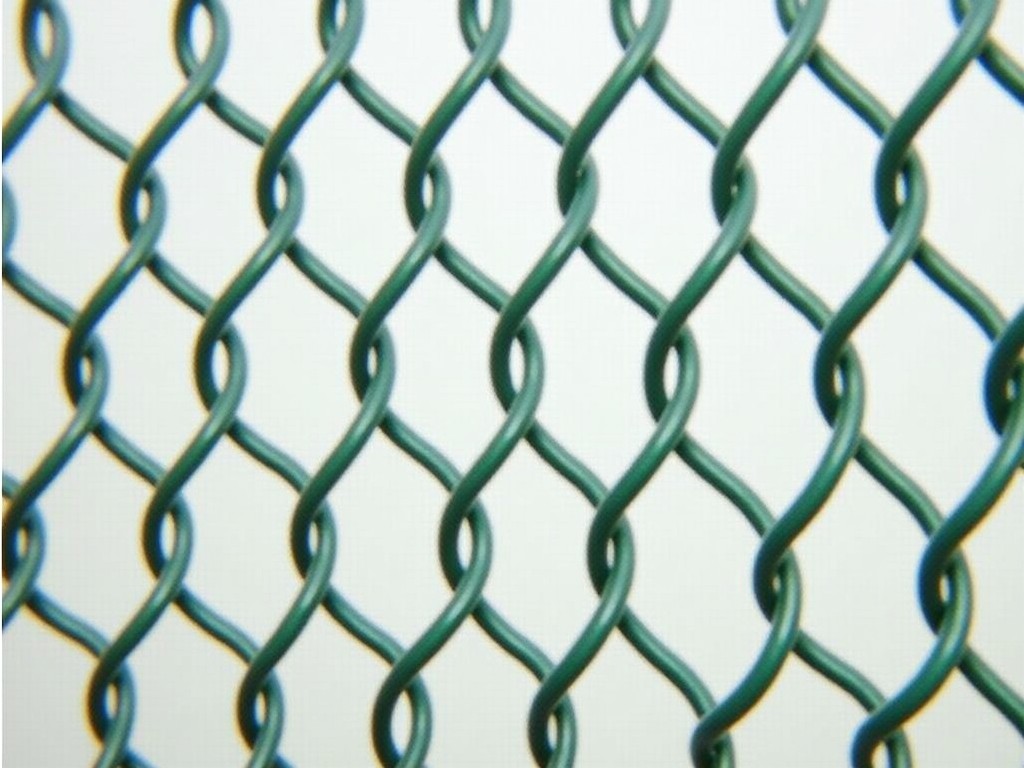
Custom Rubber Coated Wire Fencing Manufacturer
Rubber coated wire fencing consists of a steel wire core that is extruded or dip‑coated with a polymeric rubber layer. The coating adds a protective barrier that isolates the metal from moisture,
Request a QuoteCustom Rubber Coated Wire Fencing Manufacturer
Product Overview
Rubber coated wire fencing consists of a steel wire core that is extruded or dip‑coated with a polymeric rubber layer. The coating adds a protective barrier that isolates the metal from moisture, chemicals, and abrasion while providing a defined surface friction.
Typical core wires are low‑carbon steel with a tensile strength ranging from 350 MPa to 550 MPa, depending on gauge. The rubber layer is usually a blend of EPDM or nitrile rubber, selected for its ozone resistance and flexibility across –30 °C to +80 °C temperature ranges.
Material Composition and Coating Characteristics
The wire core diameter can be specified from 1.2 mm to 4.0 mm. Coating thickness is controlled during extrusion and typically falls between 0.5 mm and 2.0 mm, measured with a micrometer at three points per sample.
Rubber hardness, measured on the Shore A scale, is generally 60 ± 5 for EPDM blends and 70 ± 5 for nitrile blends. This range provides sufficient impact absorption while retaining enough stiffness to resist sagging under load.
UV stabilizers are added at 0.5 %–1.5 % by weight to limit surface cracking after prolonged sun exposure, achieving a minimum of 1000 hours of UV‑A/B exposure per ASTM G154 without >10 % loss in elongation at break.
Typical Material Properties
| Property | Typical Range | Test Standard |
|---|---|---|
| Wire Tensile Strength | 350–550 MPa | ASTM A370 |
| Coating Thickness | 0.5–2.0 mm | ISO 4628‑2 |
| Rubber Hardness (Shore A) | 60–70 | ASTM D2240 |
| Elongation at Break (Rubber) | 300–500 % | ASTM D412 |
| UV Resistance (Hours to 10 % Loss) | ≥1000 | ASTM G154 |
Manufacturing Process
Wire is first drawn to the target diameter, then cleaned via alkaline degreasing and rinsed to remove oxides. The cleaned wire passes through a pre‑heater (approximately 80 °C) to improve adhesion before entering the rubber extrusion die.
In the extrusion stage, molten rubber is forced around the wire at a line speed of 5–15 m/min, depending on coating thickness. The coated wire then travels through a cooling tunnel where water sprays bring the temperature below 40 °C to set the rubber.
After cooling, the product is wound onto reels or cut to length. Inline laser micrometers monitor diameter, and optical cameras check for coating defects such as pinholes or thin spots.
Customization Parameters
Customers can specify the following variables, which are adjusted during tooling setup:
- Wire gauge (1.2 mm–4.0 mm)
- Coating thickness (0.5 mm–2.0 mm)
- Mesh opening size (for welded or woven configurations)
- Roll length or panel dimensions
- Rubber compound (EPDM, nitrile, neoprene)
- Color (standard black, custom pigments available)
Each parameter influences the mechanical performance: increasing wire gauge raises tensile load capacity, while thicker coating improves abrasion resistance but adds weight per meter.
Industrial Applications
In mining operations, the rubber coating reduces wear on conveyor belts by providing a softer contact surface that absorbs impact from falling ore, thereby extending belt life.
Agricultural installations use coated fencing to contain livestock; the rubber layer prevents corrosion from fertilizers and animal waste, maintaining structural integrity over multiple seasons.
Marine environments benefit from the coating’s resistance to salt‑water splash and UV exposure, which minimizes rust formation on piers and aquaculture pens.
Security perimeters at industrial sites select coated fencing for its low‑profile appearance and reduced glare, which aids camera visibility while still providing a climb‑deterrent barrier.
Quality Assurance and Testing
Every batch undergoes a visual inspection for surface uniformity, followed by dimensional verification of wire diameter and coating thickness using calibrated micrometers.
Mechanical tests include tensile strength of the core wire (ASTM A370) and peel adhesion of the rubber to steel (ASTM D903) to ensure the coating remains bonded under flexing.
Environmental conditioning cycles (humidity, temperature, UV) are performed on representative samples to predict long‑term performance, with results recorded in a traceable test report linked to each production order.
Frequently Asked Questions
Can dimensions be customized?
Yes. Wire gauge, coating thickness, mesh size, and length are all adjustable according to project specifications. Provide the required values and we will generate a die drawing for approval.
What information is needed for a quotation?
We require the desired wire diameter, coating thickness, total length or panel size, rubber compound preference, and any special tolerances (e.g., diameter ±0.02 mm).
How is quality inspected?
In-line laser diameter measurement, optical surface scanning, and mechanical pull‑off tests are performed at defined intervals. Final lot inspection includes a certificate of conformance with test data.
What packaging options are available?
Standard packaging uses protective polyethylene wrap on wooden pallets. For export, we can provide moisture‑barrier bags and corner protectors to meet ISPM‑15 requirements.
What is the typical production lead time?
Lead time ranges from 3 to 6 weeks after drawing approval, depending on order volume and current tooling availability.
Request for Quote
To begin a technical review, please share your project specifications via the contact form. Our engineering team will respond with a feasibility assessment, lead time, and pricing within two business days.
Submit Specification


