China Hexagonal Wire Mesh Chicken Netting Manufacturer
Hexagonal wire mesh, commonly referred to as chicken netting, is a woven barrier formed from low‑carbon steel wire that is shaped into uniform six‑sided openings. This geometry provides a high
Request a QuoteChina Hexagonal Wire Mesh Chicken Netting Manufacturer
Hexagonal wire mesh, commonly referred to as chicken netting, is a woven barrier formed from low‑carbon steel wire that is shaped into uniform six‑sided openings. This geometry provides a high open‑area ratio while maintaining structural integrity, making it suitable for containment, protection, and segregation tasks in agricultural and industrial settings.
Technical Specifications
| Parameter | Typical Value | Unit |
|---|---|---|
| Wire Diameter | 0.8 – 2.0 (customizable) | mm |
| Hexagonal Opening Size | 12.5 – 50 (customizable) | mm |
| Roll Width | 0.5 – 2.0 (customizable) | m |
| Roll Length | 10 – 50 (customizable) | m |
| Tensile Strength | 350 – 550 | MPa |
| Coating Type | Hot‑dip Galvanized or PVC‑coated | – |
Dimensional tolerances typically stay within ±5 % of the nominal opening size, while wire diameter variation is kept below ±0.05 mm for consistent mesh performance.
Material Composition
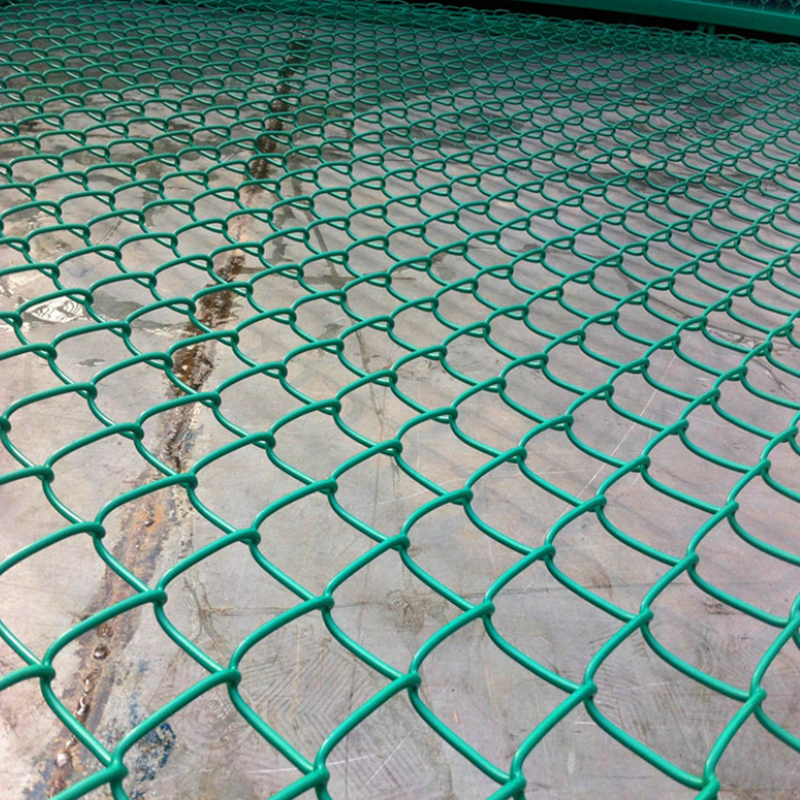
The base wire is produced from low‑carbon steel grades such as Q195 or Q235, which offer a balance of ductility and strength. After weaving, the mesh undergoes hot‑dip galvanization to achieve a zinc coating weight of 100–275 g/m², or alternatively receives a PVC extrusion layer of 0.3–0.5 mm thickness for added corrosion resistance and color options.
Manufacturing Process
Wire is first drawn to the specified diameter, then fed into a weaving machine where interlocking helices form the hexagonal pattern. The woven sheet is subsequently passed through a galvanizing bath or PVC coating line, followed by tensioning and slitting to the desired roll dimensions. Final inspection includes visual defect checks and mechanical testing before rolling.
Applications
- Poultry enclosures – the small opening prevents birds from escaping while allowing adequate airflow and light penetration.
- Garden and crop protection – the mesh blocks rodents and larger pests without impeding sunlight or water irrigation.
- Construction site safety – used as temporary fencing to delineate work zones and contain debris.
- Aquaculture barriers – resists corrosion in wet environments and protects fish pens from avian predators.
Quality Control
Each batch undergoes tensile strength testing on sampled strands, coating thickness measurement via magnetic induction, and opening size verification using calibrated gauges. Visual inspection identifies weaving defects such as missed wires or irregular tension. Only mesh that meets the specified tolerance limits is approved for packaging.
Customization Options
- Wire diameter – selectable from 0.8 mm to 2.0 mm to match load requirements.
- Opening size – adjustable from 12.5 mm to 50 mm for varying containment needs.
- Roll dimensions – width and length can be tailored to site‑specific installation constraints.
- Coating type – hot‑dip galvanization for outdoor durability or PVC coating for color coding and extra corrosion resistance.
- Edge finish – options include selvedge, twisted, or knuckled edges to suit handling and safety preferences.
Packaging and Shipping
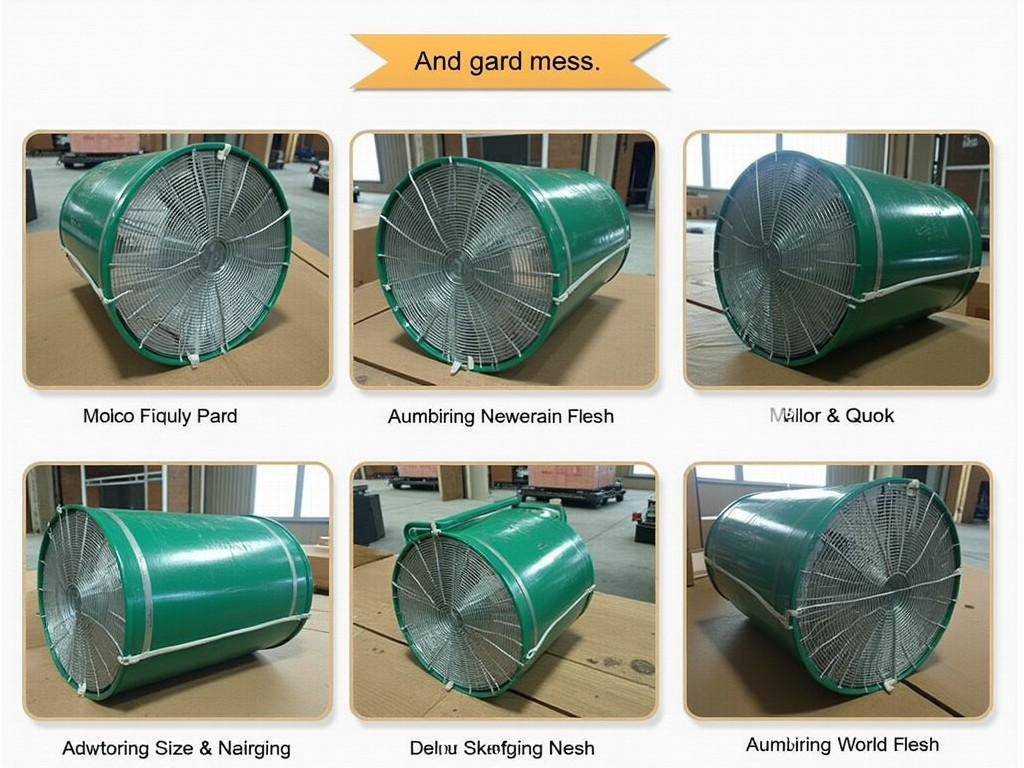
Rolls are wrapped in polyethylene film, placed on pallets, and secured with strapping. For export, moisture‑absorbent desiccants are added and the pallets are fumigated according to ISPM‑15 standards. Shipping marks include product code, dimensions, gross weight, and handling instructions.
Frequently Asked Questions
- Can the wire diameter and opening size be customized? Yes, both parameters are adjusted during the drawing and weaving stages to meet project‑specific requirements.
- What information is needed for a quotation? Required details include desired wire diameter, opening dimension, roll width and length, coating type, quantity, and delivery destination.
- Which materials are available? Base wire options are low‑carbon steel Q195/Q235; finishes comprise hot‑dip galvanization or PVC coating in various colors.
- How is quality inspected? Incoming wire is checked for diameter and tensile strength; finished mesh is tested for opening size, coating weight, and visual defects.
- What packaging methods are available? Standard packaging uses polyethylene film and palletization; custom crating or container loading can be arranged upon request.
- What is the typical production lead time? Lead times range from 10 to 25 days depending on order complexity and current plant capacity.
Contact for Inquiry
For technical data sheets, sample requests, or a detailed quotation, please reach out to our sales team.
Send Inquiry