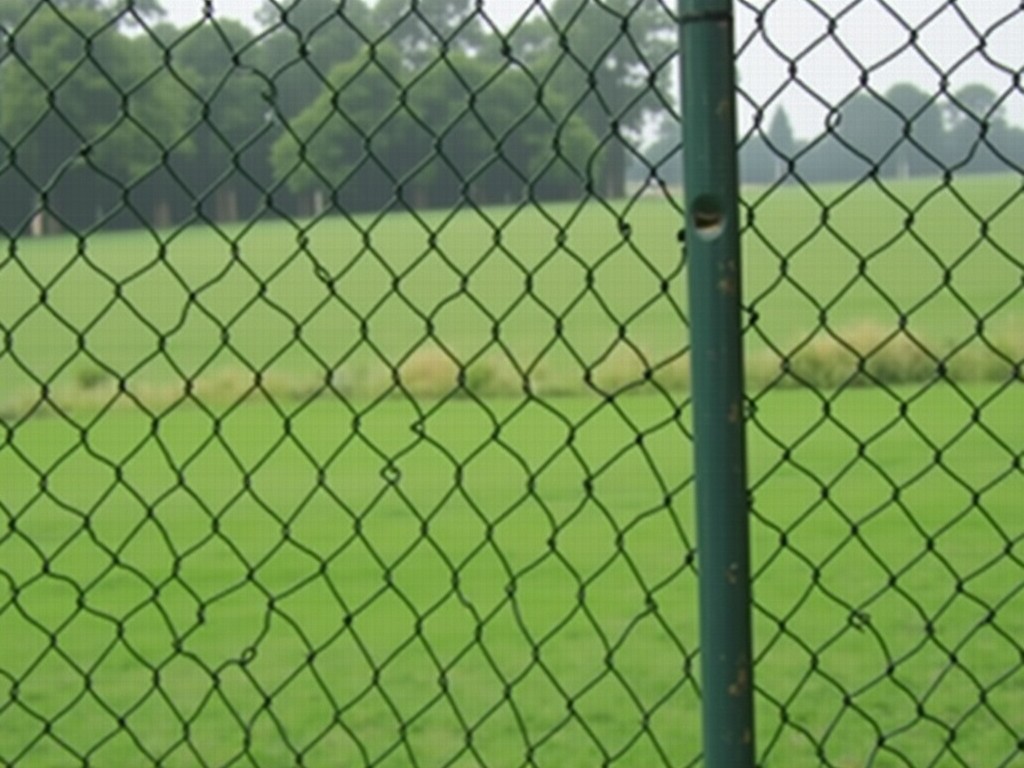
B2B Hexagonal Chicken Wire Poultry Netting Fence Manufacturer
Hexagonal chicken wire, also known as poultry netting, is a woven mesh produced from low‑carbon steel wire that is formed into a repeating hexagonal pattern. The geometry creates equal load paths in
Request a QuoteHexagonal Chicken Wire Poultry Netting Fence – B2B Manufacturer
Hexagonal chicken wire, also known as poultry netting, is a woven mesh produced from low‑carbon steel wire that is formed into a repeating hexagonal pattern. The geometry creates equal load paths in three directions, which limits deformation when the net is tensioned or impacted by livestock.
Construction and Material Characteristics
The base wire is typically cold‑drawn to a diameter ranging from 0.6 mm to 1.2 mm, depending on the required tensile strength and service life. After weaving, the mesh undergoes a hot‑dip galvanizing process that deposits a zinc coating of 50 g/m² to 275 g/m², providing corrosion resistance in outdoor agricultural environments.
Because the hexagonal cells are formed by interlocking wires rather than welding, the net retains flexibility along the roll axis while maintaining stiffness across the width. This combination allows the product to conform to uneven terrain without sacrificing barrier integrity.
Typical Technical Parameters
| Property | Typical Value | Notes / Customization |
|---|---|---|
| Wire Diameter | 0.6 mm – 1.2 mm | Selected based on load requirements; larger diameter increases tensile strength. |
| Hexagonal Opening Size | 13 mm – 50 mm | Smaller openings prevent poultry escape; larger openings reduce material cost. |
| Roll Width | 0.5 m – 2.0 m | Standard widths facilitate rapid installation; custom widths available. |
| Roll Length | 10 m – 100 m | Longer lengths reduce number of splices per installation. |
| Tensile Strength of Wire | 350 MPa – 550 MPa | Determined by wire grade; higher grades improve impact resistance. |
| Zinc Coating Mass | 50 g/m² – 275 g/m² | Heavier coating extends service life in corrosive environments. |
Primary Applications in Agriculture and Industry
- Containment of poultry, game birds, and small livestock where a flexible barrier is required.
- Protection of seedlings and young plants from herbivorous wildlife while allowing light and air penetration.
- Creation of temporary enclosures for rotational grazing systems, enabling quick reconfiguration.
- Use as a safety barrier around machinery or storage areas to prevent unauthorized access by animals.
- Integration into composite fencing systems where the wire mesh is combined with wooden or metal posts for added rigidity.
Quality Control Philosophy and Testing
Each production lot undergoes dimensional verification of wire diameter and opening size using calibrated laser micrometers, ensuring conformance to the specified tolerance of ±0.05 mm. Tensile samples are extracted from the wire before weaving and tested according to ASTM A370 to confirm yield and ultimate strength values.
Galvanizing thickness is measured with a magnetic induction probe on multiple points across the mesh, with acceptance criteria based on the ordered coating class. Visual inspection under standardized lighting identifies any weaving defects such as missed wires or irregular cell geometry that could compromise barrier performance.
Customization Options for Project Requirements
- Wire diameter and tensile grade selected to match expected load cases (e.g., wind pressure, animal impact).
- Opening size tailored to target species containment or exclusion criteria.
- Roll dimensions adjusted to minimize site labor and reduce overlap waste.
- Alternative coatings such as Zn‑Al alloy or PVC over‑coat available for extended corrosion resistance in aggressive environments.
- Custom packaging options including palletized rolls, shrink‑wrapped bundles, or reusable containers for ease of handling.
Frequently Asked Questions
- Can the hexagonal opening size be customized? Yes, opening dimensions are adjustable during the weaving process to meet specific containment or exclusion needs.
- What information is required for a quotation? Wire diameter, opening size, roll width, roll length, coating class, and delivery destination.
- Which materials are available for the wire? Low‑carbon steel is standard; higher‑strength alloys can be supplied upon request.
- How is quality inspected before shipment? Dimensional checks, tensile testing, and coating thickness measurements are performed per lot, with documentation available.
- What packaging methods protect the product during export? Rolls are wrapped in UV‑stable polyethylene film, placed on pallets, and secured with corner straps to prevent shifting.
- What is the typical lead time for production? Lead time ranges from 2 to 4 weeks depending on order complexity and current production load.
Ready to Discuss Your Specification?
Our engineering team can review your project parameters and provide a detailed technical proposal.
Submit Inquiry


