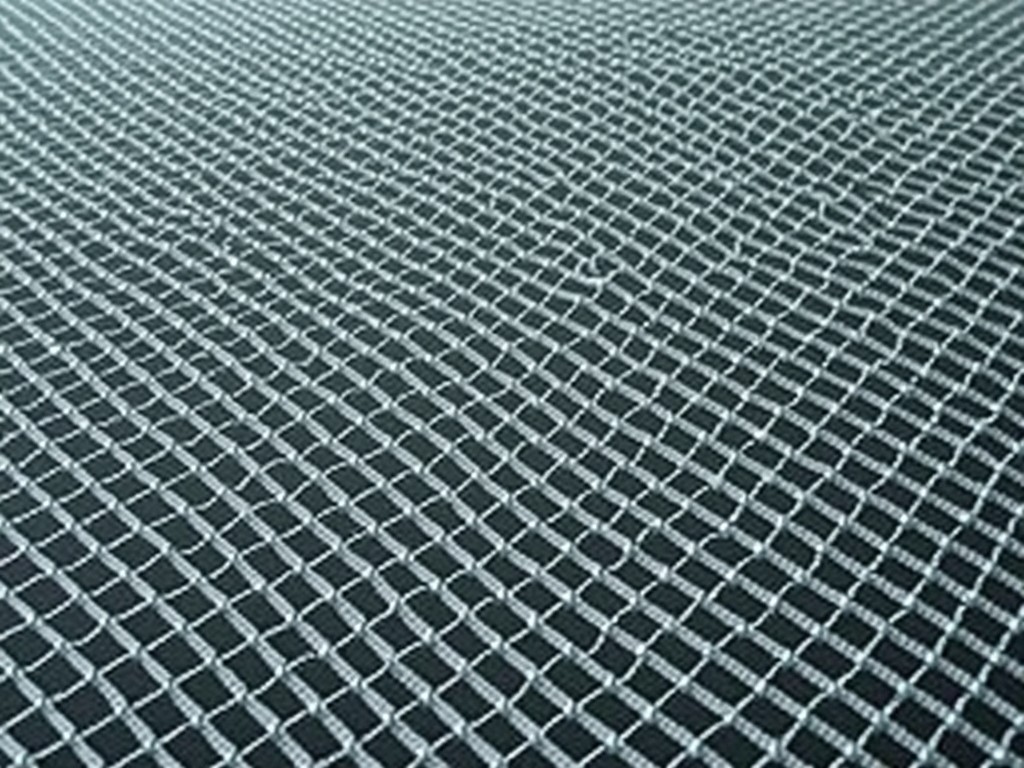
Oem Easi Link Welded Wire Mesh Exporter
This page describes the technical characteristics of welded wire mesh produced with the EASI link system, intended for original equipment manufacturers who require consistent dimensions, reliable
Request a QuoteOEM EASI Link Welded Wire Mesh Exporter
Product Overview
The mesh is fabricated by cold‑drawing low‑carbon or stainless steel wire to precise diameters, then arranging the wires in a rectangular grid and joining each intersection with resistance spot welding. The EASI link refers to a proprietary weld profile that creates a uniform, low‑stress joint, allowing the panel to be cut or bent without cracking at the welds.
Typical wire diameters range from 2.0 mm to 5.0 mm, with opening sizes (clear spacing between parallel wires) from 10 mm to 100 mm. Panels are commonly supplied in widths up to 2.4 m and lengths up to 6.0 m, but custom dimensions are achievable within the limits of the welding equipment.
Technical Specifications
| Parameter | Typical Value | Units |
|---|---|---|
| Wire Diameter | 2.0 – 5.0 | mm |
| Opening Size (clear) | 10 – 100 | mm |
| Panel Width | up to 2400 | mm |
| Panel Length | up to 6000 | mm |
| Wire Tensile Strength | 450 – 620 | MPa |
| Weld Shear Strength (average) | 1.8 – 2.5 | kN per weld |
| Weight per Square Meter | 2.5 – 8.0 | kg/m² |
Applications
- Concrete slab reinforcement – the uniform opening size allows concrete to flow freely while the weld strength prevents mesh displacement during vibration.
- Security fencing – the EASI link joint resists shear forces from impact, reducing the risk of panel separation under dynamic loads.
- Animal enclosure panels – controlled opening dimensions prevent livestock from slipping through while maintaining adequate ventilation.
- Industrial shelving decks – the flat weld profile provides a smooth surface for load distribution and simplifies cleaning.
Quality Control Philosophy
Each production lot undergoes dimensional verification of wire diameter and opening size using calibrated laser gauges, with acceptance criteria of ±0.1 mm for diameter and ±0.5 mm for opening. Weld integrity is assessed by tensile shear testing on a statistically significant sample, requiring a minimum shear strength of 1.5 kN per weld. Visual inspection checks for spatter, undercut, or wire deformation, rejecting any panel that exceeds the defined defect density of 0.2 defects per linear meter of weld.
Customization Options
- Material selection – low‑carbon steel (ASTM A1008), hot‑dip galvanized (Z275), or stainless steel grades 304/316L.
- Wire diameter steps – incremental sizes of 0.2 mm from 2.0 mm to 5.0 mm to match specific load requirements.
- Opening pattern – square or rectangular grids, with custom aspect ratios available upon request.
- Panel edge treatment – flattened, rolled, or fitted with lift‑hole flanges for handling equipment.
- Surface finish – plain, powder‑coated (RAL colors), or PVC‑coated for corrosion protection in aggressive environments.
Export & Packaging
Panels are stacked flat on heat‑treated pallets, with interleaving layers of polyethylene film to prevent surface abrasion. Each pallet is secured with polypropylene straps and corner protectors, then wrapped in stretch film to guard against moisture during transit. Standard export pallet dimensions are 1.2 m × 1.0 m, with a maximum height of 1.8 m to comply with container loading constraints. Custom crating or container‑specific packaging can be arranged based on destination regulations.
Frequently Asked Questions
Can the wire diameter and opening size be customized?
Yes. Both parameters are adjustable within the limits of the welding machinery; customers provide the required diameter (mm) and opening (mm) during the quotation stage.
What information is needed to obtain a quotation?
Required details include: desired wire diameter, opening size, panel dimensions, material grade, any surface treatment, and the quantity needed. Destination country helps determine appropriate packaging and compliance documentation.
How is weld quality verified?
Each batch undergoes shear‑strength testing on a random sample of welds, with results compared to the minimum threshold of 1.5 kN per weld. Additionally, non‑destructive ultrasonic scanning is employed for high‑specification orders to detect lack of fusion or porosity.
What lead times can be expected for a standard order?
Standard lead time is 3‑4 weeks from receipt of final specifications to readiness for shipment, assuming material availability. Expedited schedules are possible for stocked diameters and grades.



