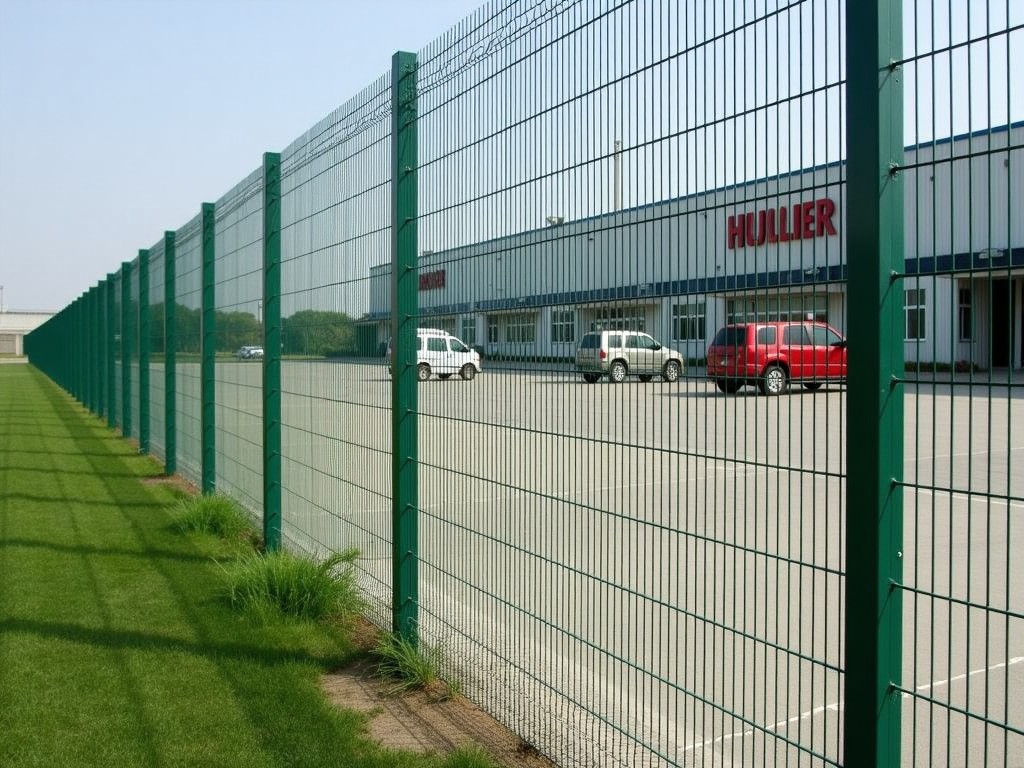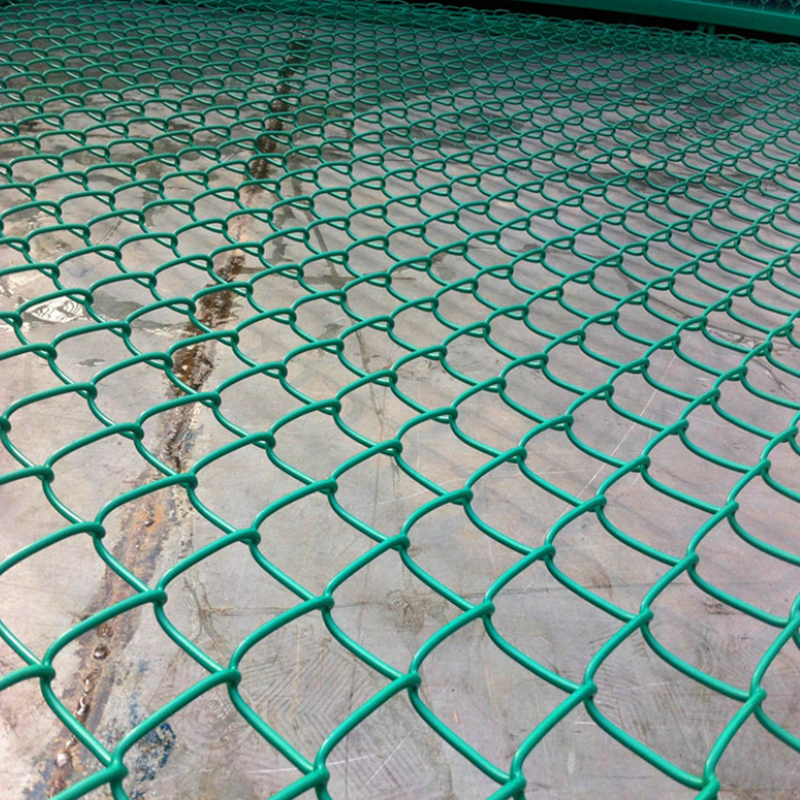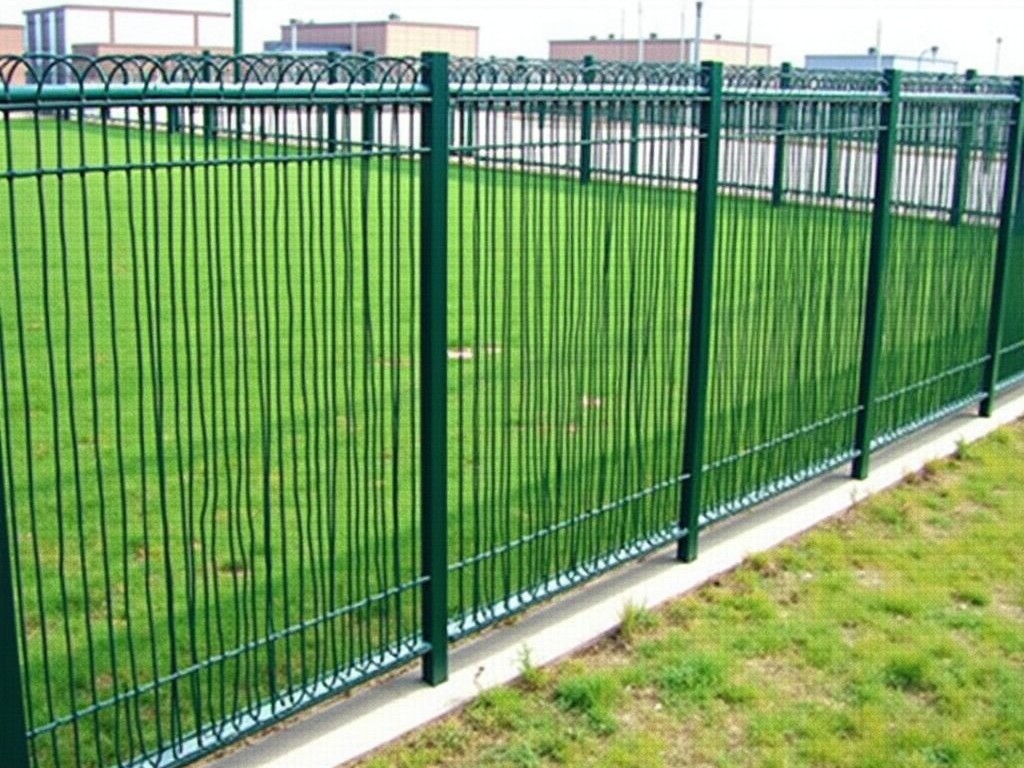
Factory Direct Oem Welded Wire Mesh Supplier
Welded wire mesh is created by resistance welding intersecting wires at each node, producing a uniform grid with consistent aperture dimensions. Controlling the welding current, wire feed speed, and
Request a QuoteFactory Direct OEM Welded Wire Mesh Supplier
Product Overview
Welded wire mesh is created by resistance welding intersecting wires at each node, producing a uniform grid with consistent aperture dimensions.
Controlling the welding current, wire feed speed, and post‑weld annealing allows precise regulation of tensile strength and dimensional stability.
Material Options
Low‑carbon steel wire (ASTM A1064) provides good ductility and weldability for general‑purpose meshes.
Galvanized steel wire (hot‑dip or electro‑galvanized) offers corrosion resistance suitable for outdoor or humid environments.
Stainless steel wire (grades 304 or 316) is selected when exposure to chemicals, salt spray, or high temperatures requires superior corrosion resistance.
Key Specifications
| Parameter | Typical Value | Customizable Range |
|---|---|---|
| Wire Diameter | 2.0 mm | 1.2 mm – 5.0 mm |
| Aperture (Opening) | 50 mm × 50 mm | 10 mm – 200 mm (square or rectangular) |
| Panel Width | 1.0 m | 0.5 m – 3.0 m |
| Panel Length | 2.0 m | 1.0 m – 6.0 m |
| Tensile Strength (Wire) | 450 MPa (low‑carbon) | 300 MPa – 620 MPa depending on grade |
Typical Applications
In concrete reinforcement, the mesh provides distributed crack control and improves shear capacity when embedded in slabs and walls.
For machine guarding, the rigid grid prevents workpiece ejection while maintaining visibility and airflow.
In agricultural fencing, the corrosion‑resistant coating contains livestock and protects crops from wildlife intrusion.
- Concrete slab and wall reinforcement
- Industrial machine guards and safety barriers
- Animal enclosures and poultry fencing
- Gabion baskets for retaining walls
- Architectural façades and decorative panels
Quality Assurance
Each batch undergoes visual inspection for weld consistency, followed by dimensional verification using calibrated gauges to confirm aperture and wire diameter tolerances.
Mechanical testing includes tensile strength measurements on random wire samples and shear tests on welded joints to ensure joint integrity meets design requirements.
Coating thickness is measured with magnetic‑induction probes for galvanized layers and with potentiostatic methods for stainless steel passivation layers.
Customization Options
Clients may specify wire diameter, aperture shape, panel dimensions, and edge treatment (e.g., folded, framed, or with hook‑type ends) to match installation hardware.
Surface treatments include hot‑dip galvanizing (minimum 60 µm Zn), electro‑galvanizing, PVC coating, or powder‑coating in RAL colors for aesthetic or additional corrosion protection.
Special requests such as pre‑cut lengths, notched corners, or integrated lifting loops are accommodated through programmable CNC welding lines.
Packaging and Logistics
Panels are stacked flat, separated by corrugated cardboard sheets, and secured with steel or polyester strapping to prevent shifting during transit.
For long‑distance shipments, mesh is wrapped in UV‑stabilized polyethylene film and placed on pallets rated for forklift handling, ensuring moisture resistance and ease of unloading.
Export packaging complies with ISPM‑15 standards when wooden pallets are used, and all packages include a packing list with material grade, dimensions, and heat‑trace numbers.
Frequently Asked Questions
Can dimensions be customized?
Yes, wire diameter, aperture size, panel width and length, and edge finishes are all adjustable according to project drawings.
What information is required before quotation?
Please provide wire material grade, desired diameter, aperture dimensions, panel size, quantity, surface treatment, and any special packaging or delivery requirements.
How is quality inspected?
We perform visual weld checks, dimensional gauges, tensile tests on wire, shear tests on weld nodes, and coating thickness measurements as standard.
Additional testing such as bend‑rebend or salt‑spray tests can be arranged upon request.
What packaging methods are available?
Standard packaging includes flat stacking with interleaving cardboard, strapping, and polyethylene wrapping. Custom options include wooden crates, reusable metal pallets, or vacuum‑sealed bags for corrosion‑sensitive grades.
All packages are labeled with handling instructions and barcodes for traceability.
What is the typical production lead time?
Lead time ranges from 2 to 4 weeks for standard specifications, depending on material availability and order volume. Custom coatings or special geometries may extend this period.
Get a Technical Quote
To receive a detailed quotation, please share your project specifications via the contact form.