China Pvc Welded Wire Mesh Manufacturer
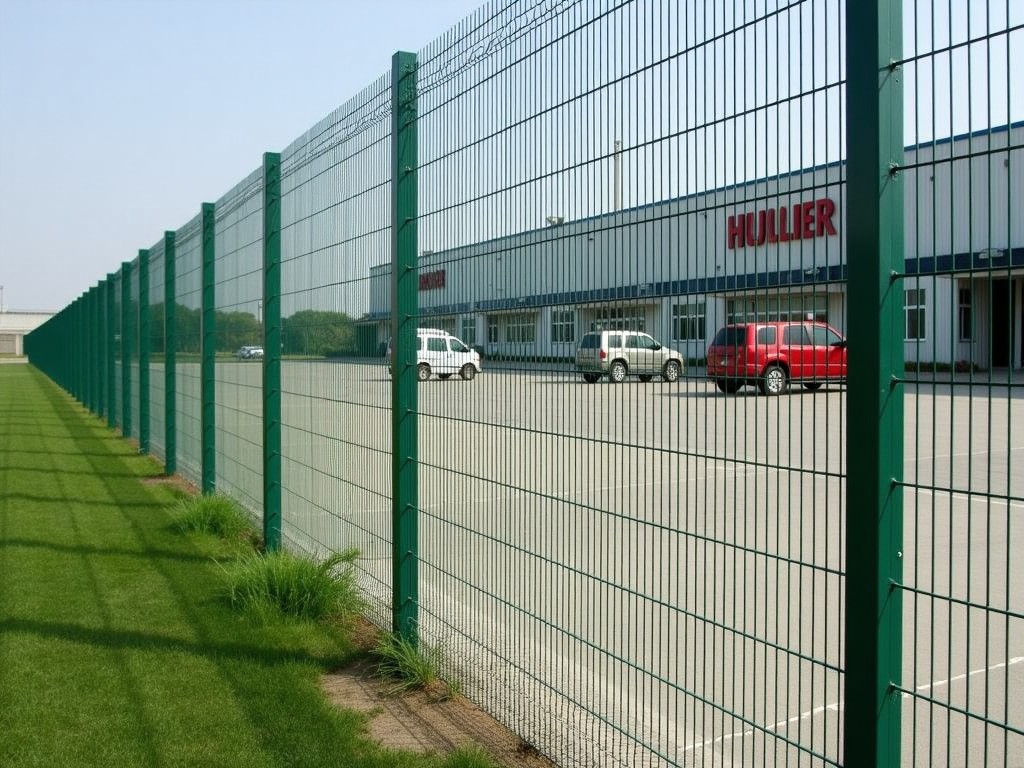
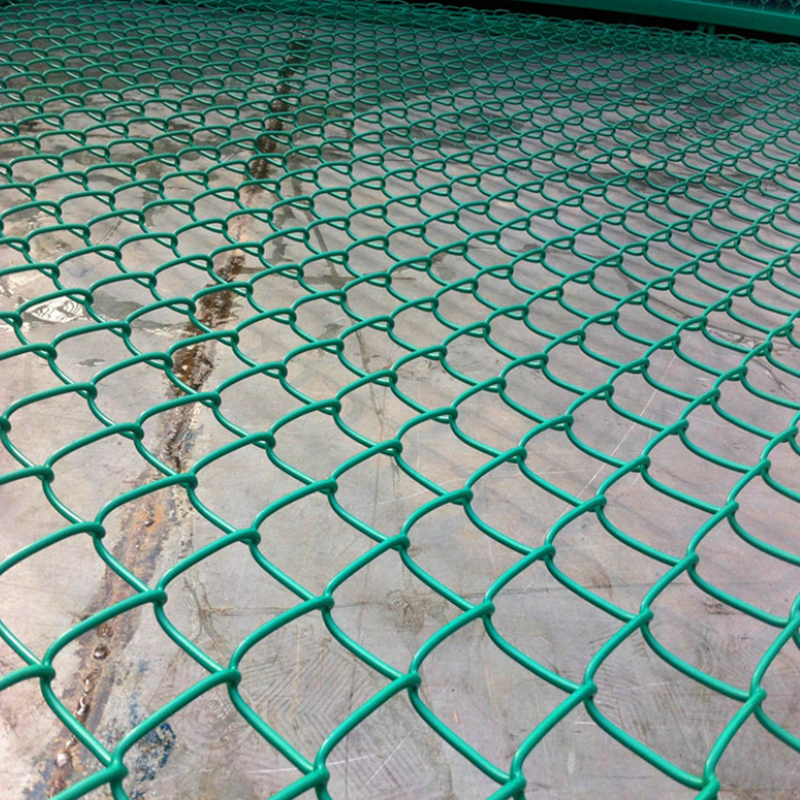
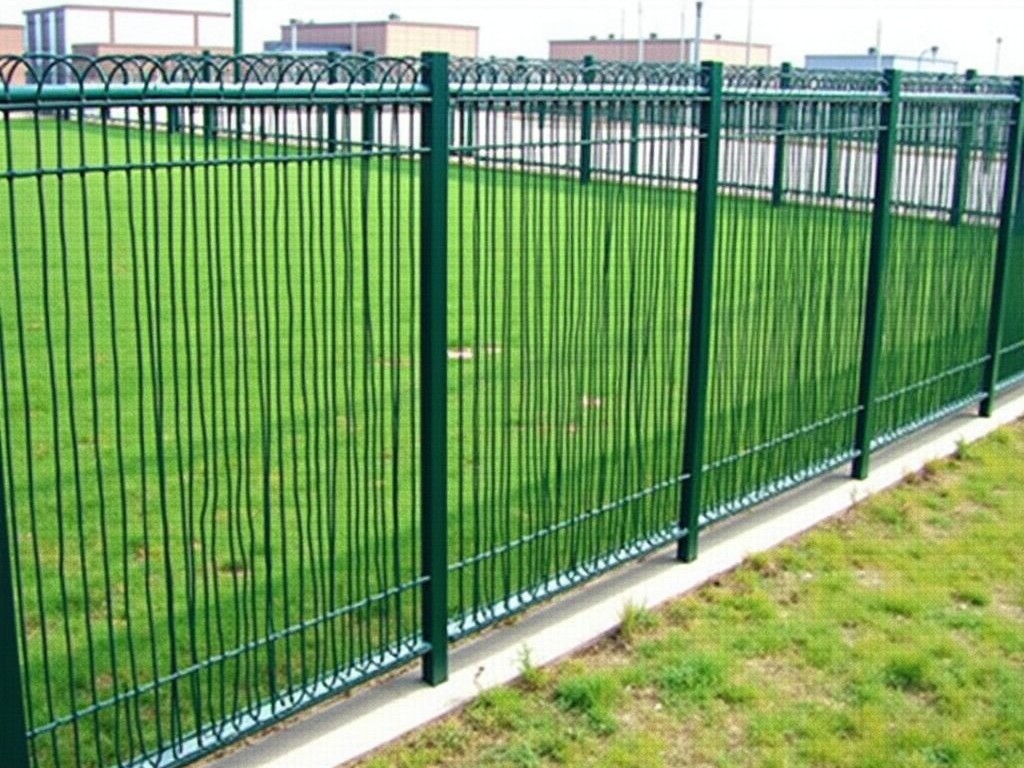
PVC welded wire mesh is produced by first welding low‑carbon steel wires into a grid, then extruding a uniform polyvinyl chloride coating over the entire structure. The coating provides a barrier
Request a QuoteChina PVC Welded Wire Mesh Manufacturer
PVC welded wire mesh is produced by first welding low‑carbon steel wires into a grid, then extruding a uniform polyvinyl chloride coating over the entire structure. The coating provides a barrier against moisture, chemicals, and UV radiation while preserving the mechanical strength of the steel core.
Material Composition and Properties
The core wire is typically cold‑drawn steel with a tensile strength ranging from 350 to 550 MPa, available in diameters from 1.2 mm to 4.0 mm. The PVC overlay adds a thickness of 0.3 mm to 0.8 mm and may include UV stabilizers, anti‑fungal agents, or flame‑retardant additives depending on the intended service environment.
Key performance characteristics include a coating adhesion strength above 1.5 MPa (ASTM D4541), resistance to alkaline environments (pH 12–13) for concrete contact, and a service temperature range from –30 °C to +70 °C without embrittlement.
Typical Specifications
| Property | Typical Value | Unit | Notes |
|---|---|---|---|
| Wire Diameter | 1.2 – 4.0 | mm | Customizable per project |
| Mesh Opening (Aperture) | 10 – 150 | mm | Square or rectangular |
| PVC Coating Thickness | 0.3 – 0.8 | mm | Includes UV stabilizers |
| Tensile Strength (Core) | 350 – 550 | MPa | Minimum value |
| Roll Width | 0.5 – 2.5 | m | Standard lengths 20‑50 m |
Applications and Functional Benefits
The combination of steel tensile strength and a chemically inert PVC jacket makes the mesh suitable for environments where both mechanical load and corrosion resistance are required. In concrete reinforcement, the mesh distributes cracking forces while the PVC prevents chloride ingress that could lead to rebar corrosion. In agricultural fencing, the coating resists degradation from fertilizers and animal waste, extending service life beyond that of galvanized alternatives.
- Concrete slab and wall reinforcement – provides crack control and alkali resistance.
- Animal enclosures and poultry fencing – withstands exposure to urine, feed, and cleaning agents.
- Erosion control on slopes and riverbanks – retains soil while allowing water permeability.
- Industrial machine guards – offers impact resistance with a non‑conductive surface.
Customization Options
Manufacturers adjust wire diameter, aperture size, roll dimensions, and coating formulation to match specific load cases and environmental conditions. For high‑UV exposure regions, additional stabilizers raise the coating’s lifetime to over 15 years. Flame‑retardant grades meet UL‑94 V‑0 requirements for interior safety barriers.
- Wire diameter: 1.2 mm – 4.0 mm (in 0.2 mm steps)
- Aperture: 10 mm – 150 mm (square or rectangular)
- Roll width: 0.5 m – 2.5 m; length: 10 m – 100 m
- PVC colour: standard grey, black, green, or custom RAL matches
- Additives: UV stabilizers, anti‑fungal, flame‑retardant, anti‑static
Quality Control and Testing
Production lines incorporate inline weld inspection using ultrasonic sensors to detect missing or weak joints before coating. After extrusion, samples are subjected to peel adhesion testing (ASTM D4541) to ensure the PVC remains bonded under mechanical stress. Dimensional tolerances are verified with laser gauges, maintaining aperture variance within ±2 mm. Tensile specimens are pulled to confirm core strength meets the specified minimum.
Batch records include coating thickness measurements (micrometer), visual inspection for pinholes, and accelerated weathering tests (UV‑B 340 nm, 0.8 W/m², 8 h cycles) to validate long‑term performance.
Packaging and Logistics
Finished rolls are first wrapped in low‑density polyethylene film to protect against moisture and abrasion during handling. Each roll is then placed on a sturdy wooden pallet with corner protectors and secured with polypropylene strapping. Pallets are labeled with product code, dimensions, batch number, and handling instructions. For overseas shipments, pallets are fitted with heat‑shrink wrap and placed inside ventilated containers to prevent condensation buildup.
Frequently Asked Questions
-
Can dimensions be customized?
Yes, wire diameter, aperture size, roll width, and length can be tailored to project specifications. Provide the required mechanical load and environmental conditions for a precise quote.
-
What information is needed before quotation?
Desired wire gauge, mesh opening, roll dimensions, PVC colour or additive requirements, quantity, and delivery destination. Drawings or sketches help ensure accuracy.
-
Which materials are available for the core wire?
Low‑carbon steel is standard; stainless‑steel cores can be supplied upon request for highly corrosive settings.
-
How is quality inspected?
Inline weld ultrasonic testing, coating adhesion peel tests, dimensional laser measurement, and tensile strength sampling are performed on every batch.
-
What packaging options are available?
Standard packaging includes polyethylene film wrap, palletizing with corner protection, and strapping. Custom crating or container‑specific solutions can be arranged.
-
What is the typical production lead time?
Lead time ranges from 10 to 25 working days depending on order complexity and current plant capacity. Expedited runs are possible for critical projects.
Get a Quote
To discuss your specific requirements, provide the technical details outlined above and our engineering team will return a detailed quotation with lead time and packaging options.
Request a Quote