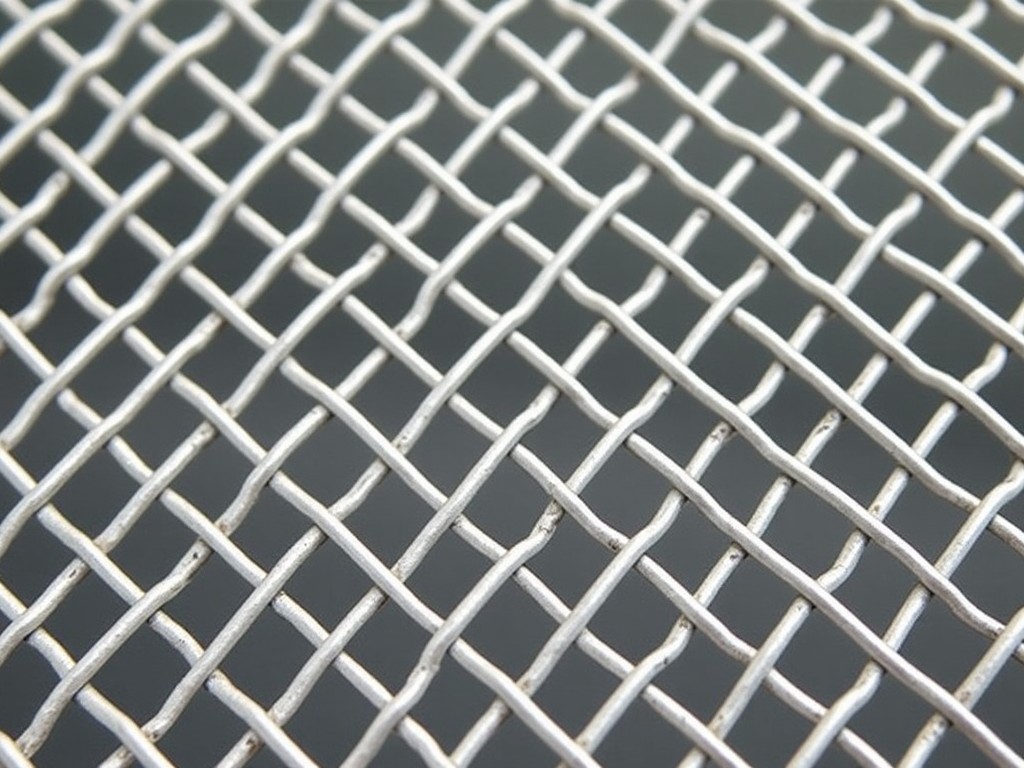
Wholesale Stainless Steel Concertina Wire Factory
Concertina wire is a type of barbed or razor tape formed into large coils that can be expanded and contracted like an accordion. Its primary function is to create a formidable physical barrier that
Request a QuoteWholesale Stainless Steel Concertina Wire
Concertina wire is a type of barbed or razor tape formed into large coils that can be expanded and contracted like an accordion. Its primary function is to create a formidable physical barrier that delays and deters intruders while allowing relatively quick deployment and retrieval. The stainless steel variant adds corrosion resistance, making it suitable for long‑term outdoor exposure in harsh environments such as coastal sites, chemical plants, and high‑security perimeters.
Material Composition and Properties
The wire core is typically produced from austenitic stainless steel grades 304 or 316. Grade 304 offers good general corrosion resistance and is adequate for most industrial perimeters, while grade 316 contains molybdenum for enhanced resistance to chlorides and acidic atmospheres. The wire diameter ranges from 2.0 mm to 3.5 mm, providing tensile strengths between 800 MPa and 1 200 MPa depending on the grade and cold‑work level. The razor or barbed tape is laminated onto the core using a cold‑roll bonding process that ensures uniform adhesion without compromising the base metal’s ductility.
Manufacturing Process
Production begins with cold drawing of stainless steel rod to the target wire diameter, followed by straightening and cleaning. The wire is then helically wound around a mandrel to create the concertina coil geometry; pitch and coil diameter are precisely controlled to achieve the desired expanded length and storage compactness. After forming, the coil undergoes a stress‑relief anneal at approximately 550 °C to reduce residual stresses while preserving the strain‑hardened strength. Finally, the razor or barbed tape is applied via a continuous roll‑bonding line, inspected for adhesion, and the finished coil is tension‑tested to verify operational integrity.
Typical Technical Specifications
| Parameter | Typical Value / Range |
|---|---|
| Stainless Steel Grade | 304 (standard) • 316 (marine) |
| Wire Diameter | 2.0 mm – 3.5 mm |
| Tensile Strength | 800 MPa – 1 200 MPa |
| Coil Outer Diameter (storage) | 150 mm – 250 mm |
| Expanded Length per Coil | 10 m – 30 m (depends on pitch) |
| Barb / Razor Spacing | 25 mm – 100 mm (customizable) |
| Operating Temperature | ‑40 °C to +150 °C (no loss of tensile) |
Applications and Functional Benefits
Stainless steel concertina wire is selected where barrier longevity and minimal maintenance are critical. In petrochemical facilities, the resistance to sulfide stress cracking and chloride‑induced pitting prevents premature failure. At data centers and government compounds, the non‑magnetic nature of austenitic grades avoids interference with sensitive electronic equipment. The high tensile strength allows the wire to withstand significant impact loads, such as vehicle ramming attempts, while still being retractable for emergency access or maintenance.
- Perimeter security for refineries, power plants, and warehouses
- Temporary barrier construction for event crowd control
- Anti‑climb topping on existing fences and walls
- Marine‑grade installations on piers, docks, and offshore platforms
Customization Options
Because project requirements vary, the factory offers adjustable parameters without changing the core manufacturing line. Customers can specify wire diameter to match load‑bearing needs, select tape type (conventional barbed, razor‑type, or flat‑strip), and define coil pitch to achieve a desired expanded length per unit storage space. Surface treatments such as passivation or electropolishing are available upon request to further enhance corrosion resistance in aggressive environments.
- Wire diameter: 2.0 mm, 2.5 mm, 3.0 mm, 3.5 mm
- Tape style: standard barbed, razor‑edge, low‑profile
- Coil pitch: 30 mm, 50 mm, 70 mm, 100 mm (affects expansion ratio)
- Finish: passivated, electropolished, or PVC‑coated (color coded)
- Packaging: wooden crates, steel‑banded pallets, or reusable containers
Quality Assurance and Testing
Each production lot undergoes a series of verifications to confirm conformance with international standards such as ASTM A240 for stainless steel sheet and EN 10216‑1 for welded tubes (applied to the wire core). Dimensional checks are performed using laser micrometers with a tolerance of ±0.05 mm on diameter. Mechanical properties are validated via tensile testing on specimens cut from the wire, guaranteeing the advertised strength range. Adhesion of the tape is assessed by peel‑strength measurements, ensuring a minimum bond strength of 15 N/mm. Visual inspections detect surface defects, and all coils are subjected to a salt‑spray test (ASTM B117) for 500 hours when grade 316 is specified, with acceptable corrosion loss below 0.1 mm/year.
Packaging, Shipping, and Handling
Finished coils are tightly wound and secured with biodegradable straps to prevent unwinding during transit. For standard orders, coils are placed on heat‑treated pallets, wrapped in UV‑stabilized polyethylene film, and secured with corner protectors. Export shipments include moisture‑absorbent desiccant packs and are marked with handling instructions to avoid excessive bending. Lead time typically ranges from 2 to 4 weeks depending on the degree of customization and current production load, with expedited options available for urgent projects.
Frequently Asked Questions
- Can the wire diameter be customized beyond the standard range? Yes, diameters up to 4.0 mm can be produced upon special request, subject to tooling availability.
- What information is required to obtain a quotation? Required details include desired wire grade, diameter, tape type, coil pitch, quantity, and delivery destination.
- Which inspection certificates are provided? Mill test reports for the stainless steel coil, tensile test results, and salt‑spray test reports (if applicable) are supplied with each shipment.
- Are samples available for evaluation? Sample coils up to 5 m in length can be arranged; the customer covers shipping costs.
- How is the concertina wire deployed in the field? The coil is expanded manually or with a simple drum‑winch system, then fastened to support posts using standard tension‑hardware.
For further technical details or to discuss a specific project requirement, please reach out using the contact information below.



