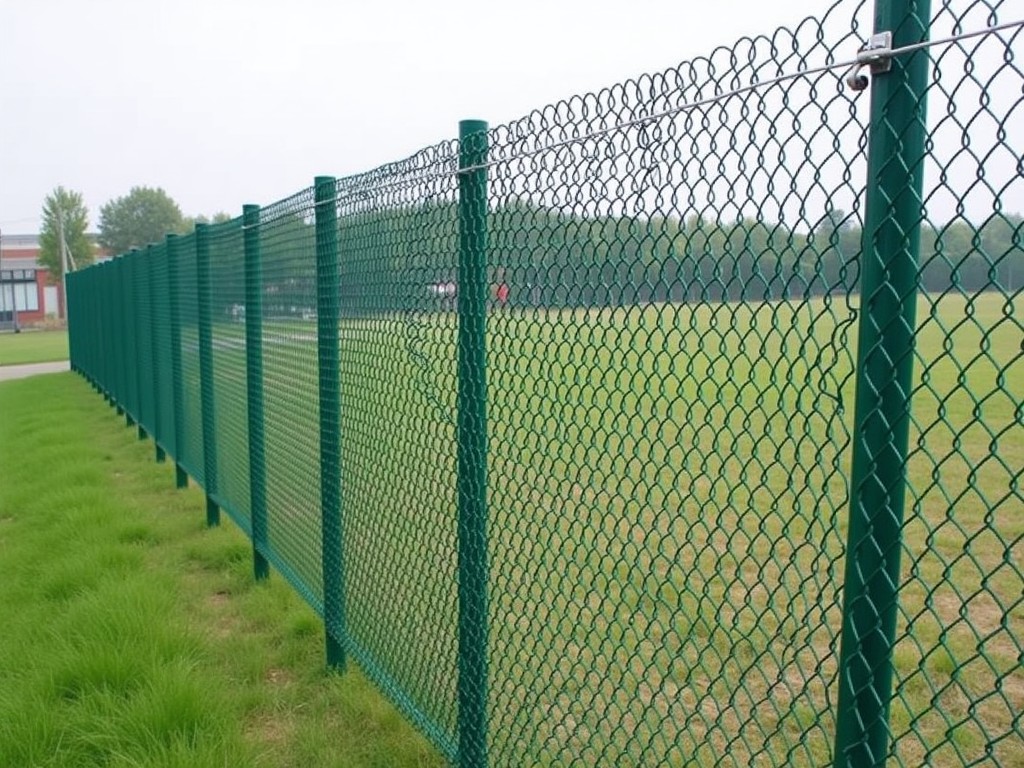
Wholesale Razor Wire Fence For Sale Supplier
Razor wire fence, also known as barbed tape, consists of sharp‑edged steel strips welded to a high‑tensile core wire. It provides a physical deterrent that is difficult to cut or climb, making it
Request a QuoteWholesale Razor Wire Fence – Supplier Overview
Razor wire fence, also known as barbed tape, consists of sharp‑edged steel strips welded to a high‑tensile core wire. It provides a physical deterrent that is difficult to cut or climb, making it suitable for perimeter security where unauthorized access must be prevented.
Core Specifications
Typical product parameters are listed below. Values can be adjusted according to project requirements such as coil diameter, strip length, and core wire gauge.
| Parameter | Typical Range | Notes |
|---|---|---|
| Core wire diameter | 2.5 mm – 3.2 mm | High‑tensile galvanized steel |
| Strip thickness | 0.5 mm – 0.8 mm | Cold‑rolled steel, sharp edges |
| Strip length (overlap) | 20 mm – 30 mm | Determines barrier density |
| Coil weight (per meter) | 1.2 kg – 1.8 kg | Dependent on core and strip size |
| Tensile strength of core | ≥ 550 MPa | Ensures resistance to pulling |
Material Options and Corrosion Protection
The base wire is usually hot‑dip galvanized to a minimum coating of 60 g/m². For environments with higher chloride exposure, a zinc‑aluminum alloy coating (Galfan) or a PVC over‑coat can be specified.
- Hot‑dip galvanized (standard)
- Galfan (Zn‑Al 5%/Mg) for extended life
- PVC‑coated strip for added UV resistance and color coding
Installation Considerations
Razor wire is typically mounted on existing fences, walls, or purpose‑built brackets. The spacing between coils influences both deterrence level and material usage. A common layout places coils 150 mm apart, staggered to avoid gaps.
Installation requires gloves and eye protection due to the sharp edges. Proper tensioning prevents sagging and maintains the intended barrier profile over time.
Typical Applications
Because the product delivers a high‑intensity physical obstacle with relatively low visual impact, it is chosen where security budgets must balance effectiveness and aesthetics.
- Military bases and detention facilities
- Industrial perimeter protection (power plants, refineries)
- Correctional institutions
- High‑value storage yards
- Border control installations
Quality Control Philosophy
Each production lot undergoes dimensional checks on core diameter and strip geometry. Tensile testing of the core verifies that the minimum strength is met. Visual inspection confirms uniform galvanization and absence of coating defects.
Statistical process control is applied to coil weight and pitch consistency, ensuring that delivered rolls match the agreed specifications within ±5 %.
Customization and Ordering
Buyers can specify coil length (commonly 50 m or 100 m per roll), strip profile (single‑edge or double‑edge), and coating type. Length tolerances are typically ±2 % to accommodate handling equipment.
Quotations require the desired total linear meters, preferred coil weight, and any special packaging (e.g., wooden pallets with stretch film).
Packaging and Shipping
Rolls are wound on a cardboard core, wrapped in polyethylene film, and placed on a pallet. Corner protectors prevent damage during forklift handling. For overseas shipments, the pallet is fumigated and secured with straps to meet ISPM‑15 standards.
Labeling includes product code, coil length, weight, and batch number for traceability.
Frequently Asked Questions
Can dimensions be customized? Yes, core wire diameter, strip length, and coil weight can be adjusted to match project‑specific load and spacing requirements.
What information is needed for a quote? Total linear meters, preferred coil size (diameter and weight), coating type, and any packaging preferences.
How is quality verified before shipment? Dimensional checks, tensile tests, and coating thickness measurements are performed on each lot; test reports are available upon request.
What lead time should be expected? Standard lead time is 2‑3 weeks for stocked specifications; custom coatings or lengths may extend to 4‑6 weeks.



