Oem Razor Type Barbed Wire Top Supplier
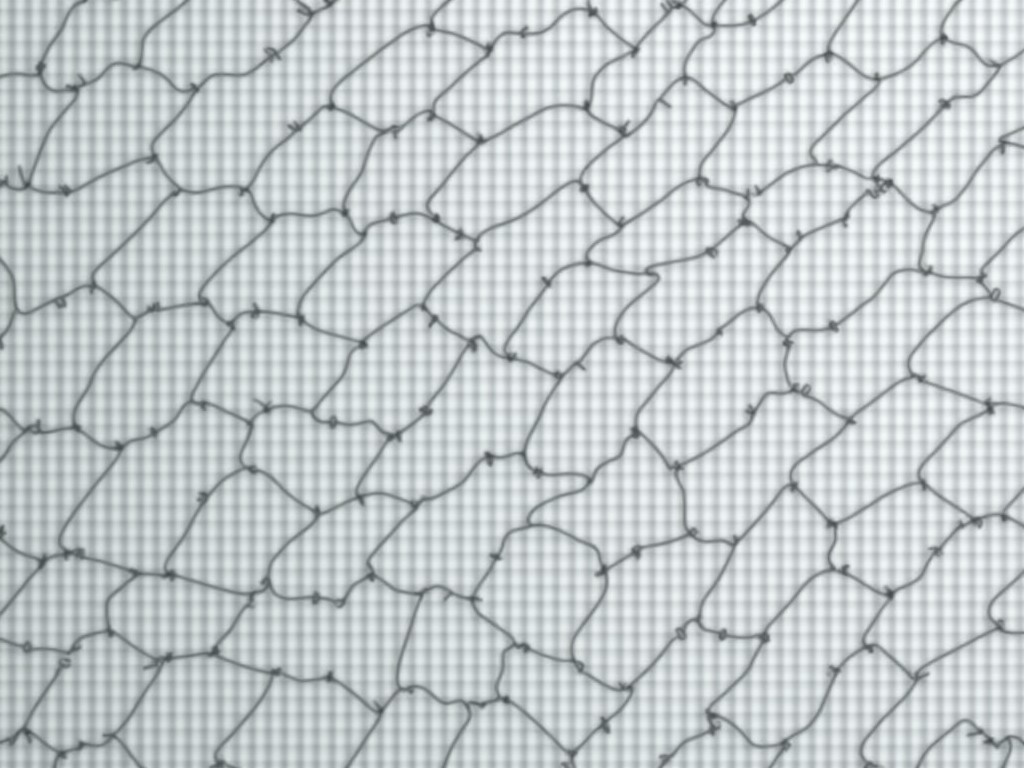
Razor type barbed wire consists of a high‑tensile steel core wrapped with sharp‑angled barbs that are formed by twisting two lengths of wire around the core at a defined pitch. The resulting profile
Request a QuoteOEM Razor Type Barbed Wire – Technical Overview
Razor type barbed wire consists of a high‑tensile steel core wrapped with sharp‑angled barbs that are formed by twisting two lengths of wire around the core at a defined pitch. The resulting profile provides a low‑cutting‑angle surface that resists manual climbing while maintaining flexibility for spooling.
Material Composition and Corrosion Protection
The core wire is typically manufactured from cold‑drawn steel grades such as SAE 1010 or SAE 1018, with a carbon content between 0.08% and 0.20% to achieve a balance of strength and ductility. Barb wires are produced from the same grade or a slightly higher carbon variant to maintain edge sharpness after forming. Corrosion protection is applied by hot‑dip galvanizing, commonly targeting a coating weight of 275 g/m² (equivalent to approximately 40 µm zinc thickness), though PVC or polyester overcoats can be added upon request for aggressive environments.
Dimensional Specifications
| Parameter | Typical Value | Unit | Notes |
|---|---|---|---|
| Core wire diameter | 2.0 – 2.5 | mm | Selected based on required tensile load |
| Barb length | 15 – 20 | mm | Measured from core to tip |
| Barb spacing (twist pitch) | 100 – 150 | mm | Distance between successive barbs along the core |
| Coil pitch (distance between loops) | 30 – 45 | mm | Determines roll diameter |
| Tensile strength (core) | ≥ 550 | MPa | Minimum value after cold drawing |
| Zinc coating weight | 275 | g/m² | Hot‑dip galvanizing; thicker coatings available |
| Standard roll length | 200 – 500 | m | Depending on coil diameter and client request |
Mechanical Performance and Testing
Mechanical performance is verified through tensile testing of the core wire according to ASTM A370, ensuring elongation of at least 10 % before fracture. Impact resistance is assessed via Charpy V‑notch tests on sampled barbs to confirm that the coating remains intact under sudden loads. Additionally, coating adhesion is measured using the ASTM D4541 pull‑off method, with typical values exceeding 5 MPa for galvanized layers.
Applications in Industrial Perimeter Security
In perimeter security applications, the razor profile presents a low‑angle cutting surface that can cause severe lacerations with minimal force, deterring climbing attempts. The geometry also reduces the likelihood of the wire being cut with standard bolt cutters, as the barb angles distribute load across multiple strands. Typical installations include electrical substations, oil and gas pipeline rights‑of‑way, water treatment plant boundaries, and correctional facility perimeters where a high level of deterrence is required without compromising the ability to tension the wire over long spans.
Customization Options for OEM Orders
- Core wire diameter ranging from 1.8 mm to 3.0 mm
- Barb length adjustable between 12 mm and 25 mm
- Coating choices: hot‑dip galvanizing, galvanized‑plus‑PVC, or stainless‑steel core for chloride‑rich environments
- Roll width and coil diameter tailored to specific spooling equipment
- Packaging options: wooden pallets with stretch film, steel‑banded coils, or returnable reels
Quality Control and Traceability
Quality assurance begins with incoming wire inspection, where diameter, tensile strength, and coating weight are checked against purchase order specifications. During forming, each twist pitch is monitored via laser‑based gauges to maintain barb spacing within ±2 mm. Finished coils undergo a visual inspection for barb integrity, followed by a random sample tensile test and coating adhesion test. Each roll is marked with a batch number, production date, and coil length, enabling full traceability from raw material to shipment.
Frequently Asked Questions
Can dimensions be customized?
Yes. Core diameter, barb length, twist pitch, and coating type can all be adjusted to match project requirements. Detailed drawings or samples are recommended before quotation.
What information is required before quotation?
Typically we need the desired core diameter, barb length, coating specification, roll length, and any special packaging or labeling instructions.
How is quality inspected?
In‑process checks include diameter, tensile strength, coating weight, and barb spacing. Final inspection comprises visual examination, tensile sampling, and adhesion testing as described above.
Contact for OEM Inquiry
To discuss your specific requirements, request a quote, or arrange a sample shipment, please reach out via the contact form.
Request Quote


