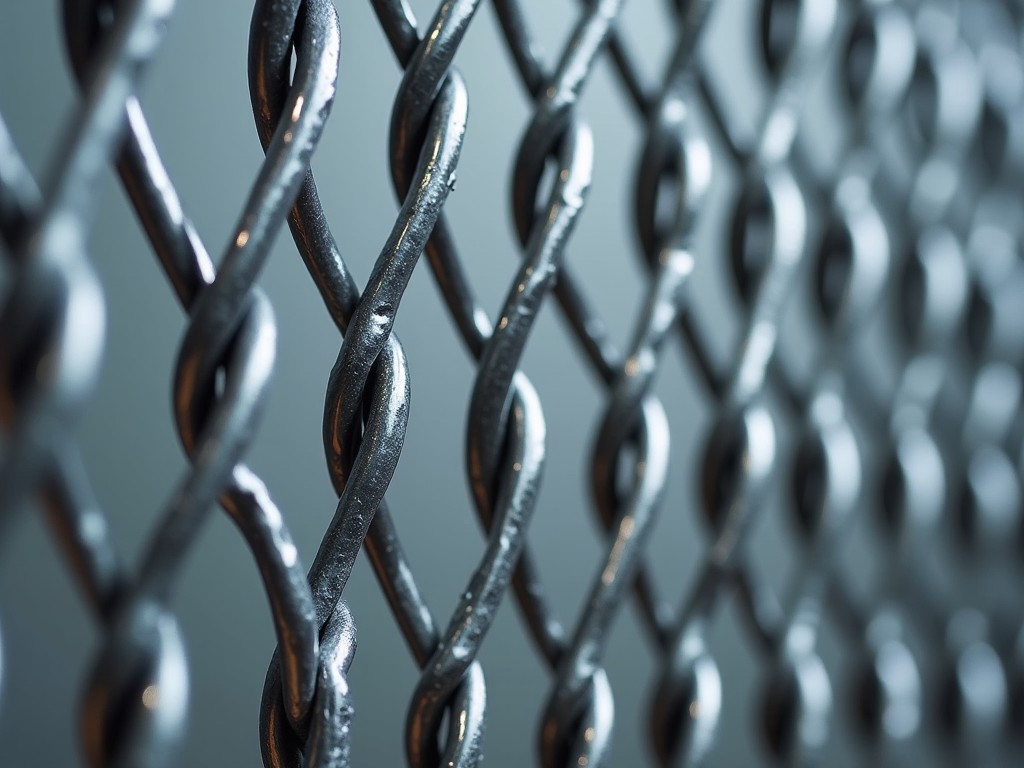
Ce Certified Concertina Razor Wire Factory
Concertina razor wire is a helical barrier formed by intertwining a high‑tensile steel core with sharp‑edged barbs or tape. The CE marking indicates that the product meets the essential health and
Request a QuoteCE Certified Concertina Razor Wire
Concertina razor wire is a helical barrier formed by intertwining a high‑tensile steel core with sharp‑edged barbs or tape. The CE marking indicates that the product meets the essential health and safety requirements of the applicable European directives, allowing it to be placed on the market within the European Economic Area.
Construction Materials and Mechanical Properties
The core wire is usually cold‑drawn steel with a diameter ranging from 2.5 mm to 3.0 mm, providing a minimum tensile strength of 1 600 MPa. Barbs are formed from the same steel strip, sharpened to a tip angle of approximately 30 ° and spaced at intervals of 45 mm to 55 mm along the helix.
Corrosion protection is applied through hot‑dip galvanizing (minimum zinc coating 60 g/m²) or, for aggressive environments, a duplex system of galvanizing followed by a polyester powder coat (coating thickness 80 µm to 120 µm). Stainless‑steel grades AISI 304 or 316 are available upon request, offering a pitting resistance equivalent number (PREN) above 25 for chloride‑rich atmospheres.
Technical Specifications
| Parameter | Typical Value | Unit |
|---|---|---|
| Core wire diameter | 2.5 – 3.0 | mm |
| Tensile strength (core) | ≥1 600 | MPa |
| Barb tip angle | 30 | ° |
| Barb spacing (pitch) | 45 – 55 | mm |
| Coil outer diameter | 400 – 600 | mm |
| Coil height (width of concertina) | 150 – 250 | mm |
| Zinc coating (galvanized) | ≥60 | g/m² |
| Polyester top coat (duplex) | 80 – 120 | µm |
Applications in Perimeter Security
Concertina razor wire is deployed where a physical deterrent must delay or prevent unauthorized access. The helical shape creates a spring‑loaded barrier that rebounds when cut, increasing the time required for breach. Typical sites include military bases, correctional facilities, substations, and perimeter fencing of critical infrastructure.
Because the barbs are oriented outward, the wire can be installed on top of existing fences or walls without major structural modifications. The tensile strength of the core ensures that the coil retains its shape under wind loads up to 150 km/h, while the corrosion‑resistant coating maintains performance for at least 15 years in C4 environments according to ISO 12944‑2.
Customization Options
- Core wire diameter: 2.0 mm to 3.5 mm (affects tensile strength and coil rigidity)
- Barb geometry: standard razor‑tape, reinforced razor‑blade, or custom‑profile spikes
- Coil pitch: adjustable from 30 mm to 70 mm to change obstacle density
- Coating: hot‑dip galvanizing, galvan‑plus‑polyester, or stainless‑steel passivation
- Length per coil: standard 10 m, 15 m, or cut‑to‑length on request
Quality Control Philosophy
Each production batch undergoes tensile testing of the core wire according to ISO 6892‑1, with results recorded and traceable to the raw‑material lot. Coating thickness is measured by magnetic induction on at least five random points per coil, ensuring compliance with the declared zinc mass. Visual inspection verifies barb uniformity and absence of defects such as cracks or delamination.
Final product is subjected to a simulated corrosion test (salt spray, ISO 9227 NSS) for 500 hours; acceptance criterion is less than 5 % loss of coating adhesion. Documentation, including CE Declaration of Conformity, test reports, and material certificates, accompanies every shipment.
Packaging and Shipping
Coils are wound on reusable steel or plastic spools, then wrapped in UV‑stabilized polyethylene film to protect against moisture during transit. Spools are stacked on pallets (maximum height 1.2 m) and secured with polyester straps. For overseas shipments, desiccant packs and corrosion‑inhibiting vapor emitters are added to the container.
Standard packaging dimensions are 600 mm × 400 mm × 200 mm (L × W × H) per pallet, facilitating handling with forklifts or pallet jacks. Gross weight per pallet varies between 350 kg and 500 kg depending on coil length and coating type.
Frequently Asked Questions
- Can dimensions be customized? Yes, core diameter, coil height, and pitch are adjustable to meet specific security levels and installation constraints.
- What information is required for a quotation? Required details include desired coil length, coating type, quantity, delivery destination, and any applicable project specifications (e.g., ISO 12944 corrosion category).
- Which materials are available? Standard carbon steel with hot‑dip galvanizing, duplex galvan‑plus‑polyester, and austenitic stainless steel grades 304 and 316.
- How is quality inspected? Tensile strength, coating thickness, barb geometry, and visual defects are checked per ISO standards; test certificates are provided.
- What packaging methods are available? Coils are supplied on spools with polyethylene wrap, palletized, and optionally containerized with desiccant for export.
- How are export shipments protected? UV‑stabilized film, desiccant packs, and vapor‑corrosion inhibitors guard against moisture and chloride ingress during sea transport.
- What is the typical production lead time? Lead time ranges from 10 to 20 working days after receipt of confirmed order, depending on coating complexity and order size.
- How are samples arranged? Sample coils (up to 2 m length) can be dispatched upon request; shipping costs are borne by the requester.
For technical data sheets, pricing, or to discuss a custom solution, please contact our engineering team.
Request Quote


