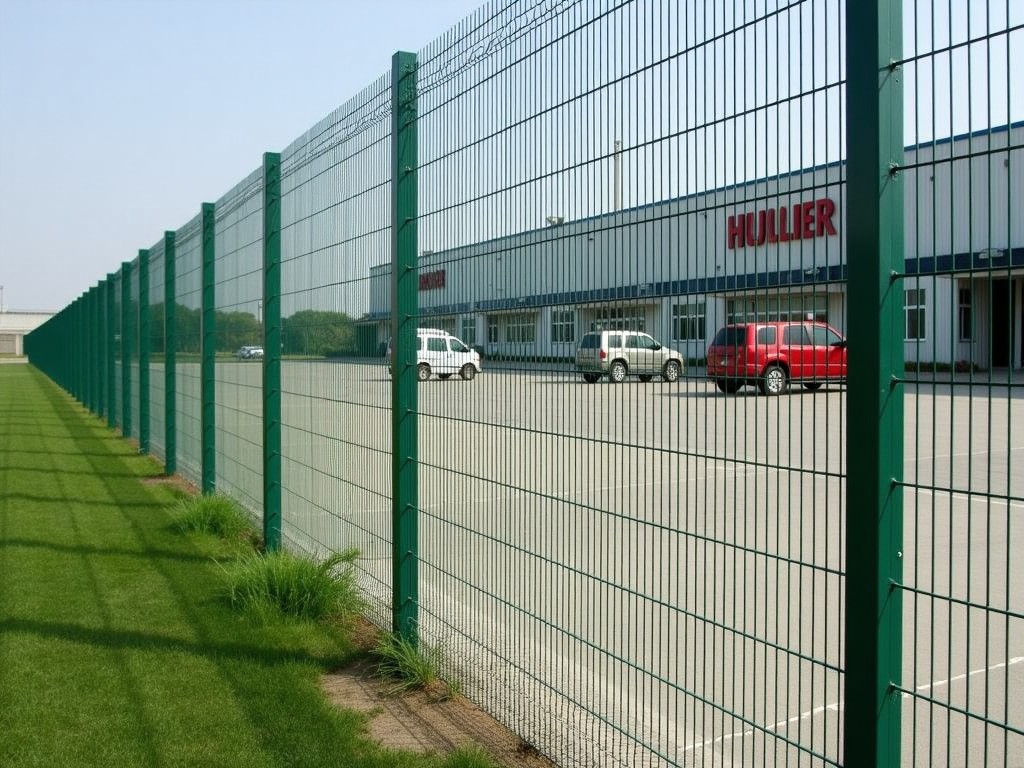
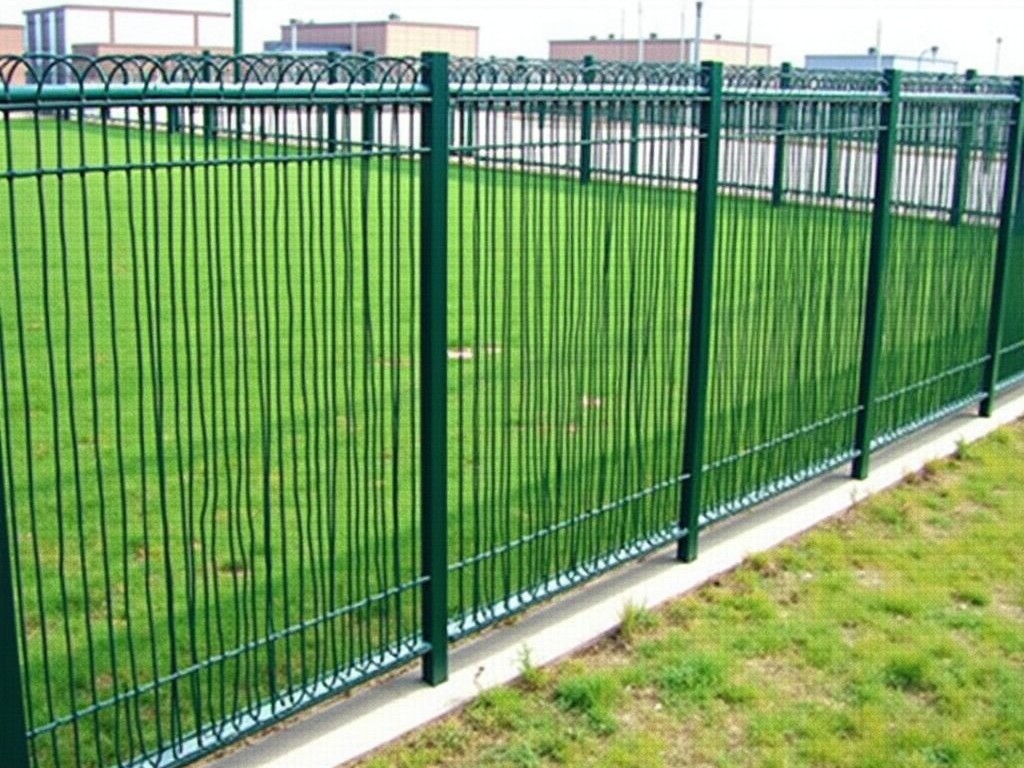
Noise Barrier Sound Insulation Noise Reduction Wall Highway Road Railway Metal Noise Barrier Panel
Barrier TypeCore MaterialKey Performance TraitsIdeal Use CasesMetal Acoustic PanelsGalvanized Steel, Aluminum AlloysLightweight, modular design with superior corrosion resistanceHighway corridors,
Request a QuoteComprehensive Guide to Noise Barrier Types and Materials
| Barrier Type | Core Material | Key Performance Traits | Ideal Use Cases |
|---|---|---|---|
| Metal Acoustic Panels | Galvanized Steel, Aluminum Alloys | Lightweight, modular design with superior corrosion resistance | Highway corridors, railway lines, and industrial facilities |
| Precast Concrete Barriers | High-Density Reinforced Concrete | Extremely high mass, exceptional durability, minimal maintenance | Major highways, bridge structures, and heavy industrial sites |
| Transparent Acoustic Barriers | PMMA (Acrylic) and Polycarbonate Panels | Excellent light transmission, high aesthetic appeal, unobtrusive | Urban roadways, residential zones, and scenic bridges |
| Absorptive Sound Barriers | Perforated Metal Facing with Rock Wool or Fiberglass Core | Superior sound absorption on the source side, reducing reverberation | Highways adjacent to reflective building facades |
| Reflective Noise Barriers | Solid Steel, Aluminum, or Concrete | Effectively blocks the sound transmission path | Standard roadside and general highway applications |
| Composite Visibility Barriers | Structural Metal Frame with Integrated Transparent Inserts | Optimal balance of visibility, aesthetics, and acoustic performance | Urban scenic corridors and noise-sensitive areas |
| Sustainable Eco-Friendly Barriers | Recycled Plastics, Wood-Polymer Composites | Highly sustainable with a significantly lower carbon footprint | LEED-certified and green infrastructure projects |
Critical Acoustic Performance Specifications to Evaluate
When specifying noise barriers for a project, engineers must carefully evaluate the following key parameters to ensure optimal acoustic performance and regulatory compliance:
Insertion Loss (IL) – The definitive measure of real-world noise reduction achieved, typically ranging from 5 to 15 dB(A) depending on barrier geometry and site conditions.
Sound Transmission Class (STC) – A standardized rating indicating the material's inherent ability to block airborne sound transmission.
Noise Reduction Coefficient (NRC) – Critical for absorptive barriers, representing the percentage of sound energy absorbed (typically 0.70 to 0.95).
Panel Height – Standard heights range from 2m to 5m; note that incremental benefits diminish beyond certain heights without top treatments.
Panel Thickness – Typically ranges from 50mm to 150mm, varying by core material and targeted sound attenuation.
Wind Load Resistance – A critical structural factor for elevated installations, bridges, and exposed open-road environments.
Fire Rating – Class A non-combustible ratings available for compliance with strict fire safety codes.
Service Life – Designed for 20 to 30 years of reliable performance with proper surface treatment and maintenance.
Core Engineering Design Principles for Maximum Attenuation
The overall effectiveness of a noise barrier is governed by several well-established design principles that dictate its real-world performance and cost-efficiency:
Line of Sight – The barrier must completely break the direct line of sight between the noise source and the receiver for optimal attenuation.
Height and Length – The barrier must extend sufficiently in both height and length beyond the affected area to prevent flanking noise paths.
Absorption vs. Reflection – Absorptive surfaces reduce reflected reverberation, while reflective surfaces redirect noise energy away from sensitive receptors.
Top Treatments – Curved or angled tops, T-top profiles, and capped designs significantly improve diffraction loss and overall performance.
Gap Prevention – Seals at joints and bases are essential; even small gaps (as little as 1%) can severely compromise the acoustic integrity of the entire system.
Noise Barrier Applications Across Major Infrastructure Sectors
Highways and Expressways – Protecting adjacent residential communities from constant traffic noise.
Railways and Metro Lines – Reducing wheel-rail contact noise and traction system sound emissions.
Bridges and Overpasses – Utilizing lightweight transparent solutions to meet strict structural load limits.
Industrial Facilities – Enclosing compressors, generators, transformers, and full production lines.
Construction Sites – Deploying temporary modular barriers for noise management in urban work zones.
Residential and Commercial – Screening rooftop HVAC equipment and defining quiet property boundaries.
Global Market Trends Fueling Demand for Noise Barriers
1. Urbanization and Infrastructure Expansion
The rapid expansion of highway, rail, and metro networks across Asia, Europe, and North America is creating sustained demand for advanced acoustic barrier systems in both new builds and retrofits.
2. Health-Conscious Public Policy
Growing global recognition of chronic noise exposure as a significant public health issue is compelling municipalities to mandate strict noise mitigation measures in all new infrastructure projects.
3. Transparent and Aesthetic Solutions
Urban corridors increasingly favor transparent and composite barriers that preserve scenic views and natural light while delivering high acoustic performance.
4. Sustainable and Low-Carbon Materials
Recycled plastics, wood-polymer composites, and low-carbon concrete barriers are gaining strong traction in green infrastructure and LEED-certified projects.
5. Smart Technology Integration
Solar panels, green living walls, and sensor-enabled noise monitoring systems are now being integrated into noise barrier designs for added functionality and sustainability.
How to Select the Right Noise Barrier Supplier and Manufacturer
For infrastructure contractors, engineering firms, and government agencies, selecting a qualified noise barrier manufacturer is a critical decision that impacts project success and long-term community satisfaction. Key criteria to evaluate include:
Certifications and Testing – Ensure ISO 9001 certification and verified acoustic test reports from accredited laboratories.
Custom Engineering Capabilities – Look for the ability to design for specific insertion loss targets, wind loads, and unique site conditions.
Material Quality Assurance – Verify coating thickness, panel density, and structural integrity through batch testing.
Installation and Technical Support – The supplier should provide detailed CAD drawings, mounting brackets, and on-site installation guidance.
Supply Chain Reliability – Consistent lead times and production capacity are crucial for large-scale infrastructure projects.
Acoustic Modeling Services – Advanced suppliers offer full acoustic modeling, load calculations, and performance guarantees.
Conclusion: Investing in High-Performance Noise Barriers
Noise barriers have evolved from a simple amenity into a critical public health necessity and a regulatory cornerstone of modern infrastructure development. For project owners and developers, investing in properly engineered acoustic barriers protects surrounding communities, ensures strict compliance with noise regulations, and significantly enhances the long-term value of transportation assets. As urban environments grow denser and noise pollution standards tighten globally, the demand for high-performance noise mitigation solutions will only continue to accelerate.