Best Price Galvanized Iron Chain Link Fencing Mesh Exporter
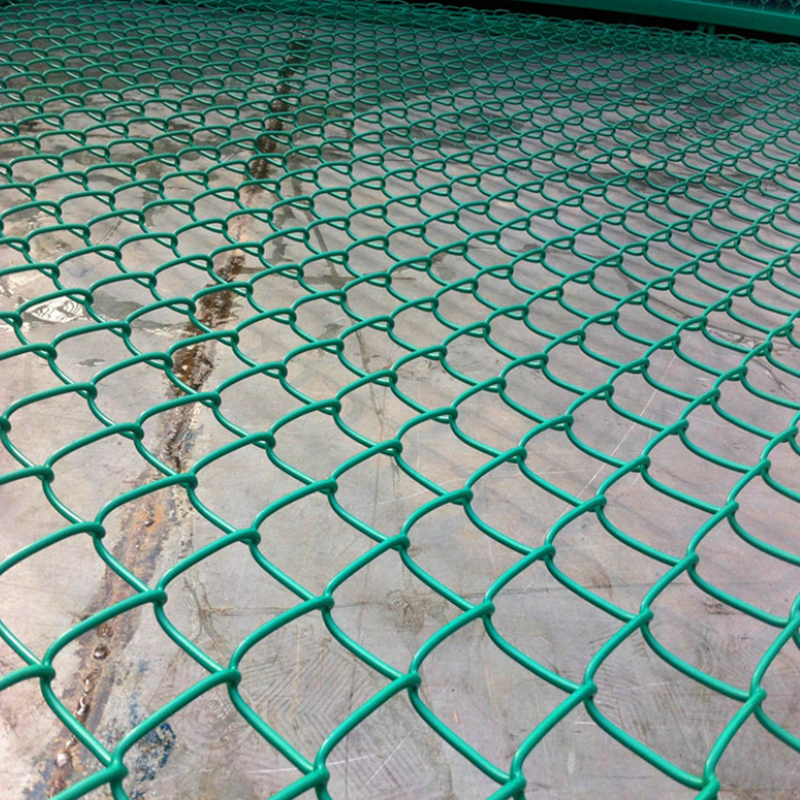
Galvanized iron chain link fencing mesh consists of steel wires welded into a uniform diamond pattern and coated with a protective zinc layer to resist corrosion. The mesh is supplied in rolls of
Request a QuoteBest Price Galvanized Iron Chain Link Fencing Mesh Exporter
Galvanized iron chain link fencing mesh consists of steel wires welded into a uniform diamond pattern and coated with a protective zinc layer to resist corrosion. The mesh is supplied in rolls of varying height and length, allowing rapid installation for perimeter enclosures, livestock containment, and industrial site security. Its modular design enables tensioning without specialized tools, reducing labor costs on large‑scale projects.
Technical Specifications
Key performance parameters include wire diameter, zinc coating weight, mesh aperture, tensile strength, and roll dimensions. These values are selected according to project requirements such as expected load, environmental exposure, and service life.
| Parameter | Typical Value | Unit | Notes |
|---|---|---|---|
| Wire diameter | 2.0 – 4.0 | mm | Selected per load requirement |
| Zinc coating weight | 150 – 300 | g/m² | Hot‑dip galvanized |
| Mesh aperture (opening) | 50 – 100 | mm | Diamond pattern |
| Tensile strength of wire | ≥ 350 | MPa | Minimum value |
| Roll height | 0.9 – 2.4 | m | Custom lengths available |
| Roll length | 10 – 50 | m | Depends on height |
Manufacturing Process
Low‑carbon steel wire is drawn to the specified diameter, then formed into a continuous helical loop that is interlocked to create the diamond mesh. The woven mesh passes through a hot‑dip galvanizing bath where molten zinc metallurgically bonds to the steel surface, providing a uniform coating. After cooling, the mesh is inspected for coating continuity before being slit to width and wound onto cores for rolling.
Applications
The open mesh design provides visibility while delivering a physical barrier that resists climbing and cutting. Its corrosion‑protected coating ensures long service life in outdoor environments ranging from agricultural fields to coastal industrial zones.
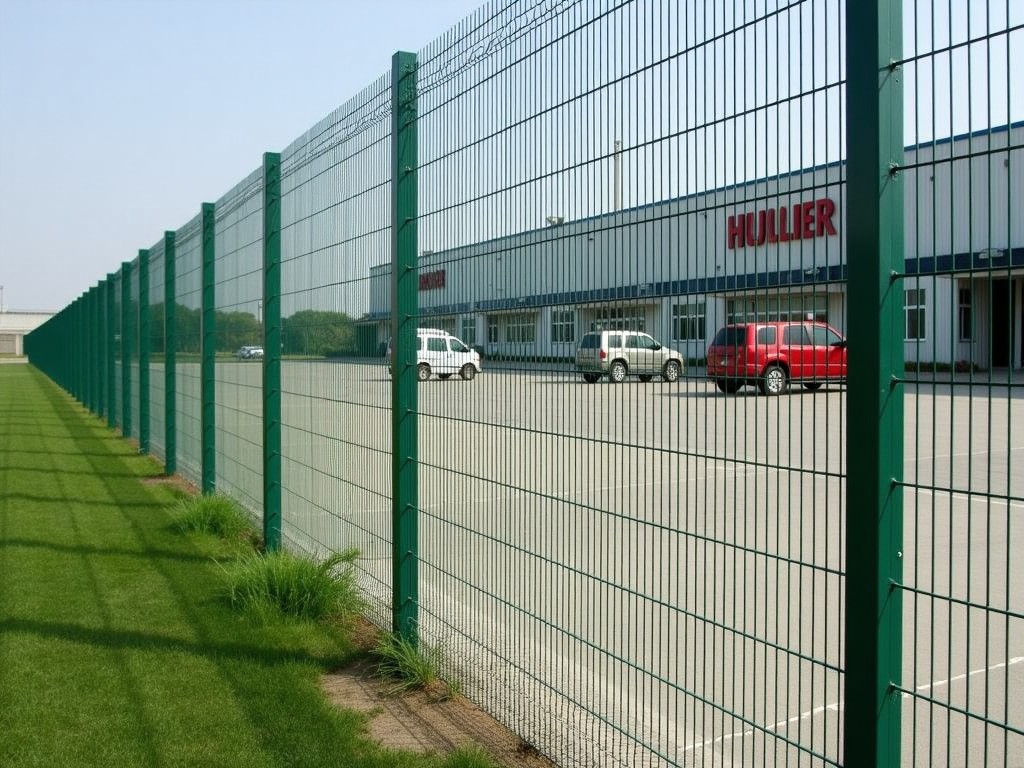
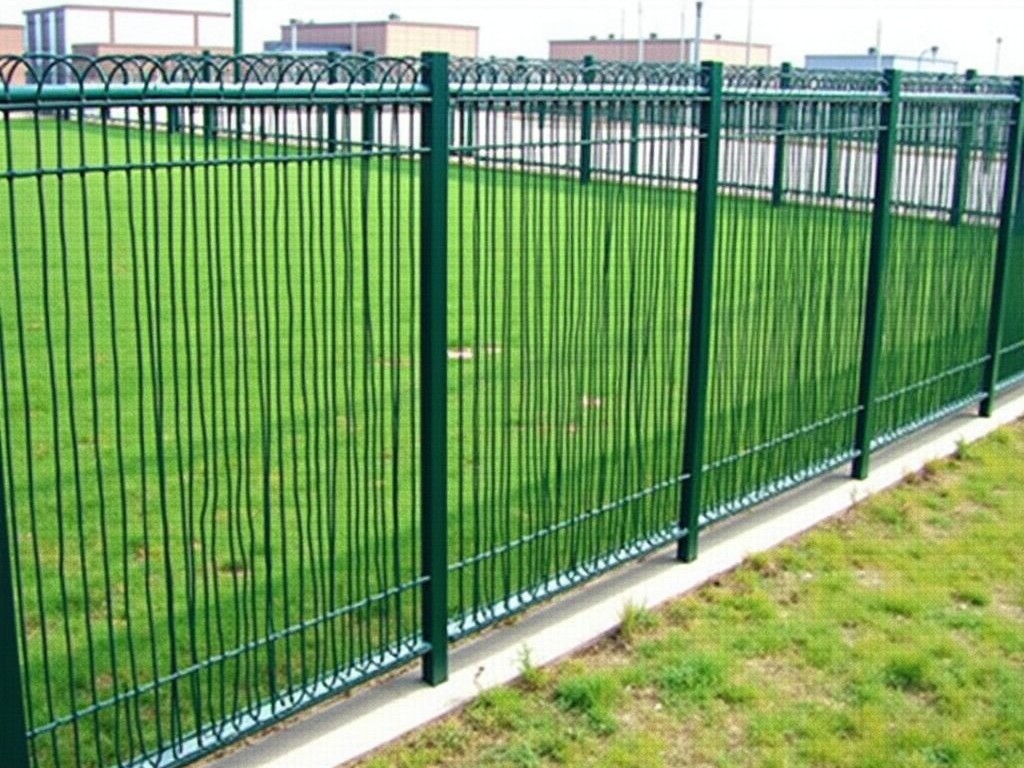
- Perimeter security for factories and warehouses – the mesh resists deformation under impact and allows integration with barbed wire or razor tape for added deterrence.
- Livestock enclosures – the diamond openings prevent hoof entrapment while providing airflow and sunlight, reducing stress on animals.
- Sports field boundaries – the lightweight rolls enable quick installation and removal for temporary events without damaging the underlying turf.
- Highway glare screens – the open pattern reduces wind load while maintaining visibility for drivers, and the zinc coating withstands de‑icing salts.
Customization Options
Buyers can adjust wire gauge, coating weight, mesh aperture, roll height, and length to match site‑specific engineering requirements. Additional surface treatments such as PVC coating or powder‑coated colors are available upon request for aesthetic or extra corrosion protection.
- Wire diameter: 1.8 mm to 5.0 mm (step 0.2 mm increments)
- Zinc coating: 100 g/m² to 400 g/m² (hot‑dip) or electrolytic zinc‑nickel alloys
- Mesh aperture: 30 mm to 150 mm (square or diamond)
- Roll height: 0.6 m to 3.0 m
- Roll length: 5 m to 100 m (limited by handling equipment)
- Surface finish: PVC over‑coat (0.5 mm thickness) or RAL‑matched powder coat
Quality Control & Testing
Each production lot undergoes tensile testing on representative wire samples to verify minimum strength. Coating thickness is measured with magnetic induction gauges at multiple points per square meter to ensure uniformity. Visual inspection checks for weld integrity, uniform mesh formation, and absence of defects such as protrusions or loose strands.
- Tensile strength ≥ 350 MPa (ASTM A370)
- Zinc coating weight compliance (ASTM A123/A123M)
- Mesh opening tolerance ±2 mm
- Visual defect limit: no more than 2 defects per 10 m²
Packaging & Export Logistics
Finished rolls are wrapped in UV‑stabilized polyethylene film to prevent moisture ingress during transit. The wrapped rolls are then placed on pallets, secured with steel straps, and loaded into standard 20‑ft or 40‑ft containers for shipment.
- Individual roll wrap: 0.05 mm PE film with UV inhibitor
- Pallet size: 1.1 m × 1.1 m, max height 2.0 m
- Container loading: up to 24 rolls per pallet, 20 pallets per 40‑ft container
- Optional corner protectors and moisture‑absorbing desiccant packs
Lead Time & Ordering Information
Sample rolls are typically prepared within 5 working days after receipt of specifications. Production lead time for standard configurations ranges from