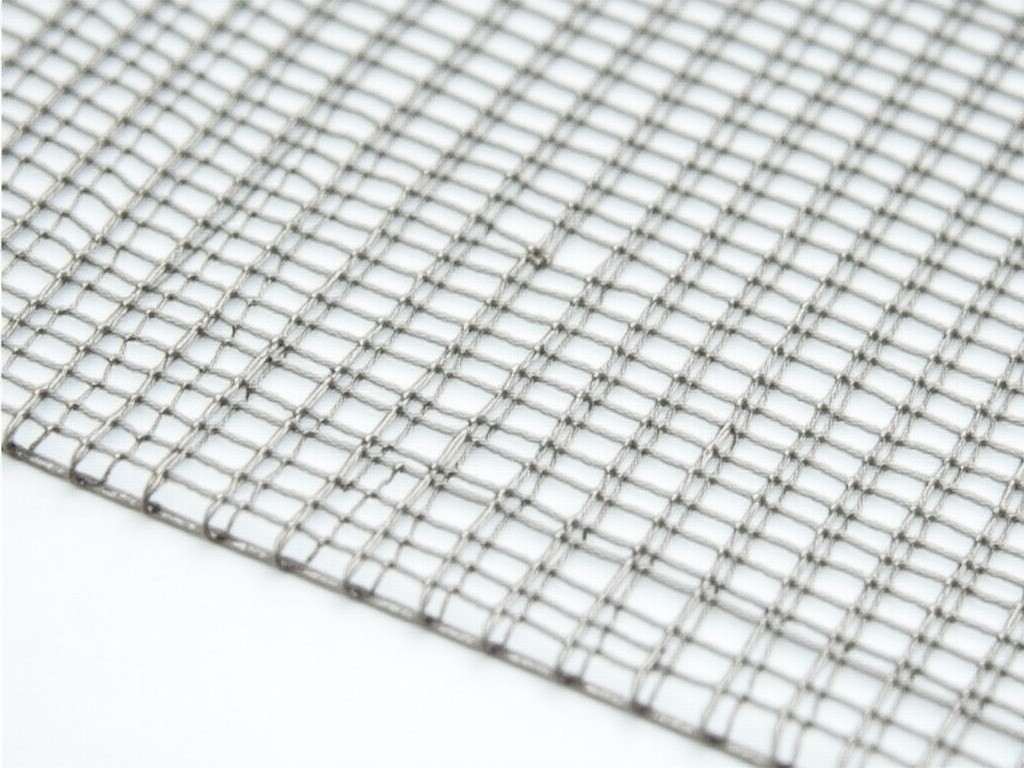
B2B Small Metal Mesh Panels Manufacturer
Small metal mesh panels are fabricated from woven or welded wire strands to create a uniform opening pattern, typically used where precise filtration, electromagnetic shielding, or lightweight
Request a QuoteB2B Small Metal Mesh Panels Manufacturer
Small metal mesh panels are fabricated from woven or welded wire strands to create a uniform opening pattern, typically used where precise filtration, electromagnetic shielding, or lightweight structural support is required.
Key Specifications
| Parameter | Typical Range | Notes |
|---|---|---|
| Material | Stainless steel 304, 316L; Carbon steel Q195; Aluminum 5052 | Selected based on corrosion resistance and weight requirements |
| Wire diameter | 0.10 mm – 0.80 mm | Thinner wires increase open area; thicker wires enhance rigidity |
| Aperture size | 0.5 mm – 6.0 mm (square or rectangular) | Custom aperture shapes available on request |
| Panel thickness | 0.2 mm – 2.0 mm (depends on wire diameter and weave) | Thickness influences pressure drop and mechanical strength |
| Standard dimensions | 500 mm × 500 mm, 1000 mm × 500 mm, 1000 mm × 1000 mm | Custom lengths up to 3000 mm achievable with edge joining |
Material selection directly affects corrosion resistance, tensile strength, and weight; for example, 316L stainless steel offers superior resistance to chlorides compared to 304 grade, making it suitable for marine environments.
Typical Applications
- Industrial filtration: Precise aperture control enables separation of particulates in liquid or gas streams, reducing clogging and maintenance frequency.
- EMI/RFI shielding: Conductive mesh with tight weave attenuates electromagnetic interference in enclosure walls, protecting sensitive electronics.
- Architectural façades: Lightweight panels provide decorative screening while allowing airflow and light diffusion, meeting both aesthetic and performance criteria.
- Battery electrode support: Uniform open area facilitates electrolyte flow and lithium‑ion transport, improving cell efficiency.
- Food processing screens: Easy‑to‑clean surfaces comply with hygiene standards, resisting bacterial buildup.
Customization extends beyond aperture size; panels can be supplied with edge treatments such as folded hem, welded frame, or adhesive backing to simplify integration into assemblies.
Customization Options
Design engineers specify wire diameter, opening shape, and surface finish (e.g., passivation, anodizing, or powder coating) to match functional demands such as flow rate, shielding effectiveness, or visual appearance.
Quality Control
Inspection includes dimensional verification using optical comparators, tensile testing of wire samples, and visual examination for weld integrity or weaving defects, ensuring each batch meets the agreed tolerances.
Packaging & Shipping
Panels are stacked with interleaving protective film, placed in corrugated cartons or wooden crates, and secured with corner braces to prevent deformation during transit; export shipments include moisture‑barrier bags for corrosion‑sensitive alloys.
Frequently Asked Questions
- Can dimensions be customized?Yes, length, width, and aperture can be tailored to project specifications; tooling adjustments may apply for non‑standard shapes.
- What information is required before quotation?Material grade, wire diameter, aperture size, panel dimensions, quantity, and any required surface treatment or edge finish.
- How is quality inspected?Each lot undergoes dimensional audit, tensile strength testing, and visual inspection; reports are available upon request.
- What packaging methods are available?Standard options include film‑wrapped stacks in cartons, wooden crates for large panels, and custom palletization for overseas shipments.



