Wholesale Wire Mesh For Road Construction Exporter
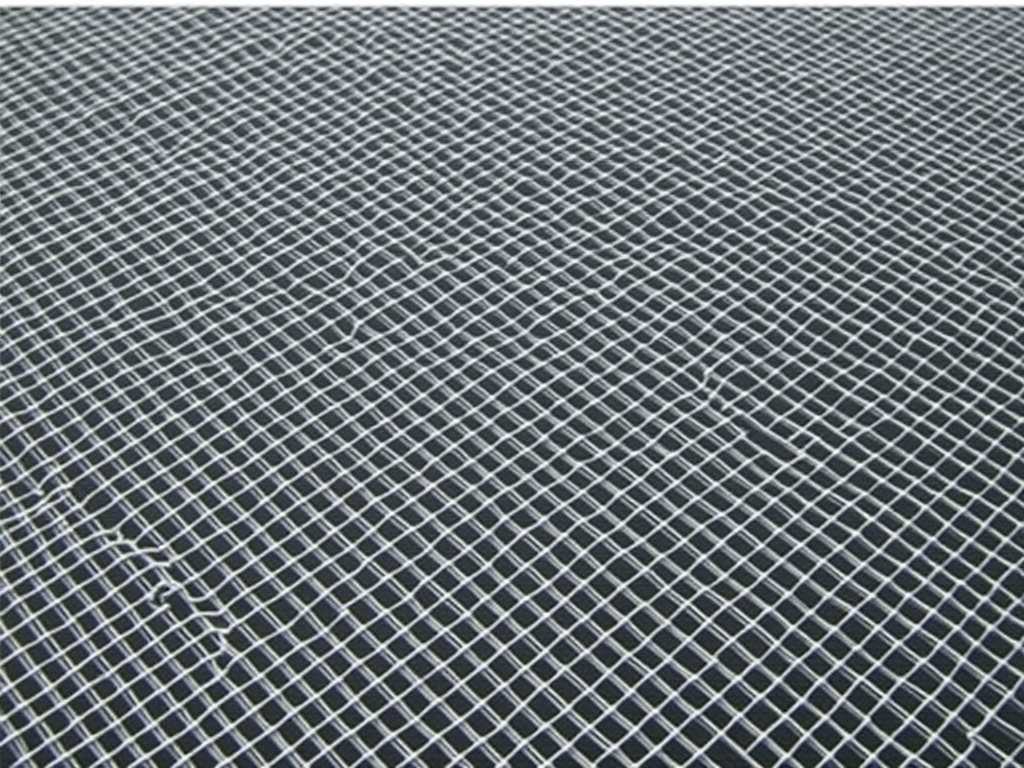
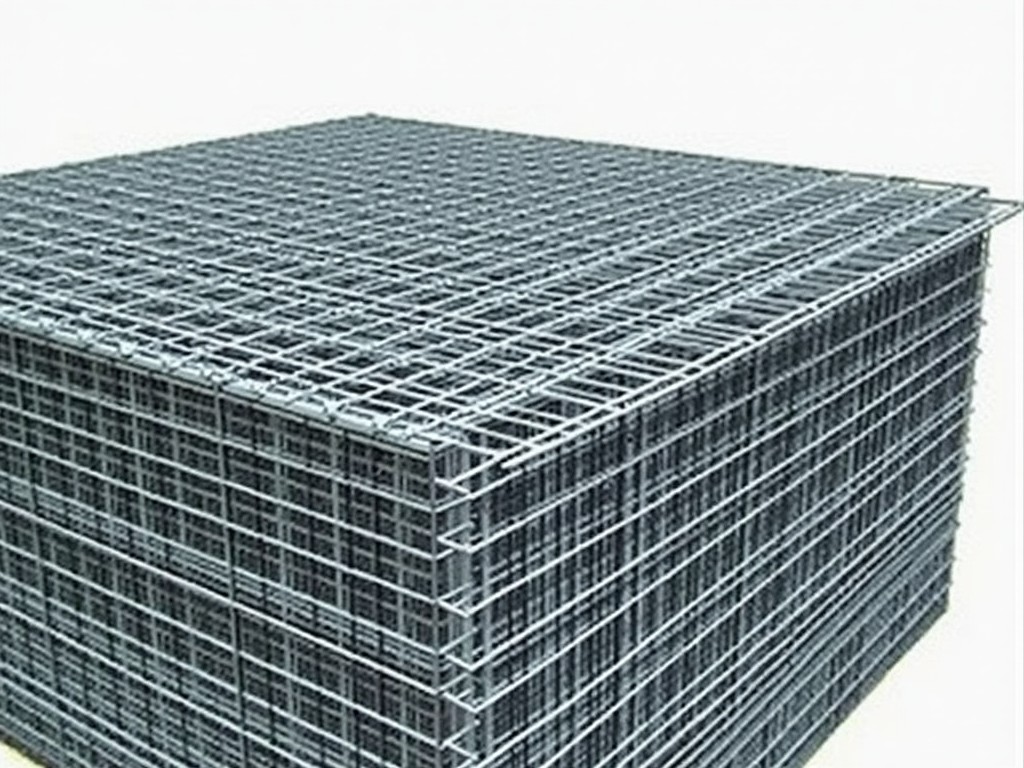
Wire mesh used in road construction provides reinforcement for asphalt and concrete layers, distributing loads and reducing cracking. Exporters supply this product in bulk rolls or panels, tailored
Request a QuoteWholesale Wire Mesh for Road Construction
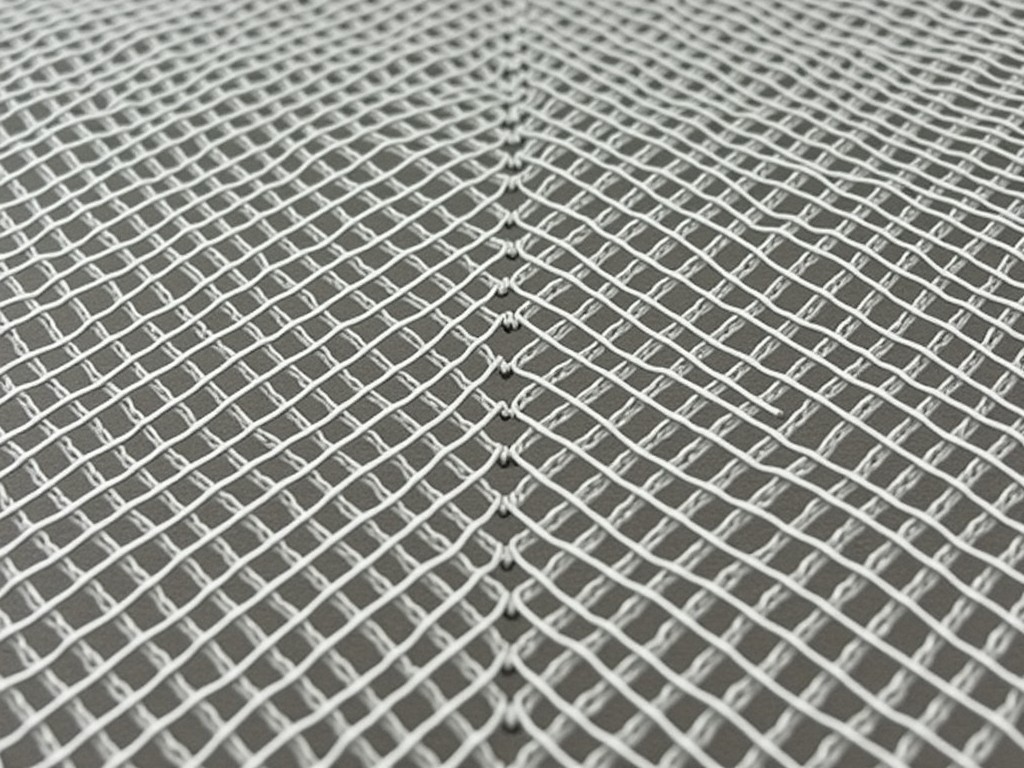
Wire mesh used in road construction provides reinforcement for asphalt and concrete layers, distributing loads and reducing cracking.
Exporters supply this product in bulk rolls or panels, tailored to the dimensional and mechanical requirements of infrastructure projects.
Material and Construction
Typical base material is low-carbon steel wire, selected for its ductility and consistent tensile strength.
The wire is welded or woven to form a uniform grid, with aperture sizes ranging from 10 mm to 50 mm depending on the design specification.
- Hot-dip galvanized coating (minimum 60 g/m² zinc) for corrosion resistance in humid climates.
- PVC‑overcoat (0.3 mm thickness) offering additional abrasion protection.
- Stainless‑steel wire (grade 304 or 316) for environments with high chloride exposure.
Technical Specifications
| Property | Typical Value | Notes |
|---|---|---|
| Wire Diameter | 2.0 – 4.0 mm | Selected per load‑bearing design |
| Aperture Size | 15 × 15 mm to 40 × 40 mm | Square or rectangular openings |
| Tensile Strength | 400 – 550 MPa | Measured on straightened wire |
| Roll Width | 1.0 – 2.5 m | Custom widths available |
| Roll Length | 20 – 100 m | Determined by handling equipment |
| Weight per Square Meter | 2.5 – 5.0 kg/m² | Depends on wire diameter and coating |
| Coating Type | Hot‑dip galvanized, PVC, or stainless | Specified per project environment |
Applications in Road Construction
In flexible pavement systems, the mesh is placed between base and surface layers to mitigate reflective cracking.
For concrete pavements, it improves load distribution across joints and reduces spalling under heavy traffic.
- Base course reinforcement for asphalt overlays.
- Slope stabilization and erosion control on embankments.
- Concrete pavement joint reinforcement to control faulting.
- Retaining wall backfill reinforcement to improve seismic performance.
Quality Control and Testing
Each production lot undergoes dimensional inspection using laser scanning to verify wire diameter and aperture uniformity.
Tensile strength is measured on sampled strands according to ISO 6935‑2, with results recorded in a traceable test report.
Coating thickness is assessed by magnetic induction or coulometric methods, ensuring compliance with ASTM A123 or equivalent standards.
Customization Options
Clients can specify non-standard aperture dimensions to match specific design codes or site constraints.
Wire diameter, coating type, and panel geometry are adjusted to satisfy load‑bearing and durability requirements.
- Custom aperture size (e.g., 12 × 25 mm, 30 × 30 mm).
- Alternative wire diameters (1.5 mm to 6.0 mm).
- Specialized coatings (epoxy, zinc‑aluminum, or polymer‑based).
- Panel dimensions and edge treatments (folded, flared, or with fastening hooks).
Packaging and Export Logistics
Rolls are wrapped in UV‑stabilized polyethylene film and secured with steel strapping to prevent deformation during transit.
Palletized loads incorporate corner protectors and stretch film to resist shifting and moisture ingress.
Export documentation includes material certificates, test reports, and fumigation certificates where required by destination countries.
FAQ
Can dimensions be customized?
Yes, aperture size, wire diameter, roll width, and panel length can be tailored to project specifications; provide detailed drawings or requirements for a quote.
What information is required for a quotation?
We need the intended application, required tensile strength, coating preference, dimensions (aperture, wire size, roll or panel size), quantity, and delivery destination.
How is quality inspected and documented?
Each batch undergoes dimensional checks, tensile testing, and coating thickness verification; results are supplied in a mill test report linked to the lot number.
What packaging methods are available for export?
Standard packaging includes UV‑stabilized film wrap with steel strapping; options for wooden crates, palletized boxes, or container‑specific bracing are available upon request.
For project-specific pricing, lead times, or technical consultation, please reach out to our export team.