Wholesale Steel Grating Cost Per Square Foot Supplier
Steel grating consists of bearing bars and cross rods welded or pressure‑locked to form a rigid open‑area panel. The open area provides drainage, ventilation, and slip resistance while supporting
Request a QuoteWholesale Steel Grating Cost Per Square Foot – Supplier Overview
Steel grating consists of bearing bars and cross rods welded or pressure‑locked to form a rigid open‑area panel. The open area provides drainage, ventilation, and slip resistance while supporting heavy loads in factories, power plants, and petrochemical facilities.
Factors That Influence Cost Per Square Foot
Material grade is the primary cost driver; carbon steel is least expensive, while stainless steel adds alloy premiums. Bar thickness and height directly affect weight and machining time, so larger sections increase price per square foot. Spacing between bearing bars changes open area percentage; tighter spacing uses more material and raises cost. Surface treatments such as hot‑dip galvanizing or powder coating add a processing step that influences the final quote.
Typical Cost Ranges (USD/ft²)
| Material | Bar Size (mm) | Low‑End | Mid‑Range | High‑End |
|---|---|---|---|---|
| Carbon Steel | 25×3 | 8.5 | 10.0 | 11.5 |
| Hot‑Dip Galvanized | 25×3 | 10.0 | 12.0 | 14.0 |
| Stainless Steel 304 | 25×3 | 18.0 | 22.0 | 26.0 |
Material Options and Their Implications
Carbon steel grating provides high strength at the lowest initial cost but requires protective coating in corrosive environments. Hot‑dip galvanizing applies a zinc layer that extends service life in outdoor or mildly chemical settings, typically adding 15‑20% to the base price. Stainless steel grades 304 or 316 resist oxidation and are chosen for food processing, pharmaceutical, or marine applications where hygiene and longevity outweigh material expense.
Load Capacity and Design Considerations
The load‑bearing capacity of grating depends on bearing bar size, span between supports, and the type of loading (uniform vs. point). Engineers reference manufacturer load tables that specify maximum allowable uniform load (psf) for given bar dimensions and support spacing. Deflection limits are often set to L/200 for pedestrian traffic and L/150 for heavy equipment to maintain serviceability and safety.
Customization Choices Available to Buyers
- Panel length and width cut to exact site dimensions, reducing waste and on‑site labor.
- Edge options include plain, banded, or flared edges to facilitate fastening or to match adjacent flooring.
- Attachment methods such as weld‑on brackets, screw‑down clips, or interlocking systems accommodate different installation preferences.
- Surface patterns like serrated or slip‑resistant treads increase traction in wet or oily areas.
Typical Industrial Applications and Why Grating Is Selected
In wastewater treatment plants, grating covers channels and tanks, allowing water to pass while supporting maintenance personnel. The open area prevents debris accumulation and reduces hydraulic load on the structure. In power generation facilities, grating forms walkways over cable trays and equipment, providing a sturdy platform that does not impede heat dissipation or electromagnetic fields. Its non‑combustible nature and high strength‑to‑weight ratio make it suitable for offshore platforms where weight savings directly impact buoyancy and stability.
Quality Control Philosophy
Suppliers verify dimensional tolerances on each batch using calibrated calipers and laser scanners to ensure bar height and spacing remain within ±0.5 mm. Weld integrity is assessed via visual inspection and, for critical projects, ultrasonic testing to detect lack of fusion or porosity. Coating thickness for galvanized products is measured with magnetic gauges to confirm compliance with ASTM A123 standards. Final packs receive a visual check for surface damage, and any panels outside tolerance are segregated for rework or scrap.
Packaging and Logistics Considerations
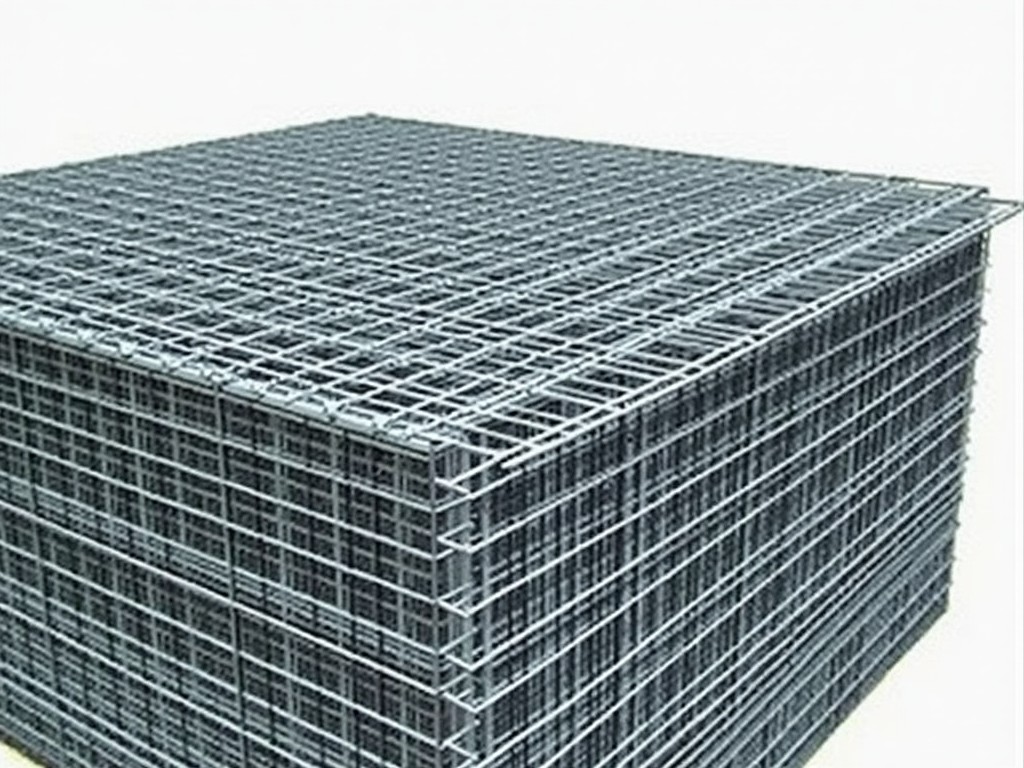
Grating is typically bundled in steel‑strapped pallets, with protective corner guards to prevent deformation during transit. For overseas shipments, panels are wrapped in water‑resistant film and placed inside fumigated wooden crates to meet ISPM‑15 requirements. Pallet weights are calculated to stay within standard truckload limits, and each pallet includes a packing list that references the project tag number, material grade, and coating type for easy receipt verification.
Frequently Asked Questions
| Question | Answer |
|---|---|
| Can dimensions be customized to match odd‑shaped openings? | Yes, panels can be cut to any length or width within the standard bar length limits; custom shapes are achievable through CNC profiling. |
| What information is needed before a quote is issued? | Required details include material grade, bearing bar size and spacing, panel dimensions, edge treatment, surface finish, and quantity. |
| How is quality inspected before shipment? | Each lot undergoes dimensional verification, weld inspection, and coating thickness measurement per applicable ASTM standards. |
| What packaging options protect against corrosion during transport? | Standard packing uses steel straps and corner guards; for corrosive environments, additional VCI film or sealed crates are available. |
| What is the typical lead time for a standard order? | Lead times range from 2‑4 weeks for stocked carbon steel grades and 4‑6 weeks for galvanized or stainless steel, depending on order volume. |
To receive a detailed quotation tailored to your project specifications, please provide the required technical data through the inquiry form.
Request a Quote