Wholesale Reinforced Concrete Wire Mesh Factory
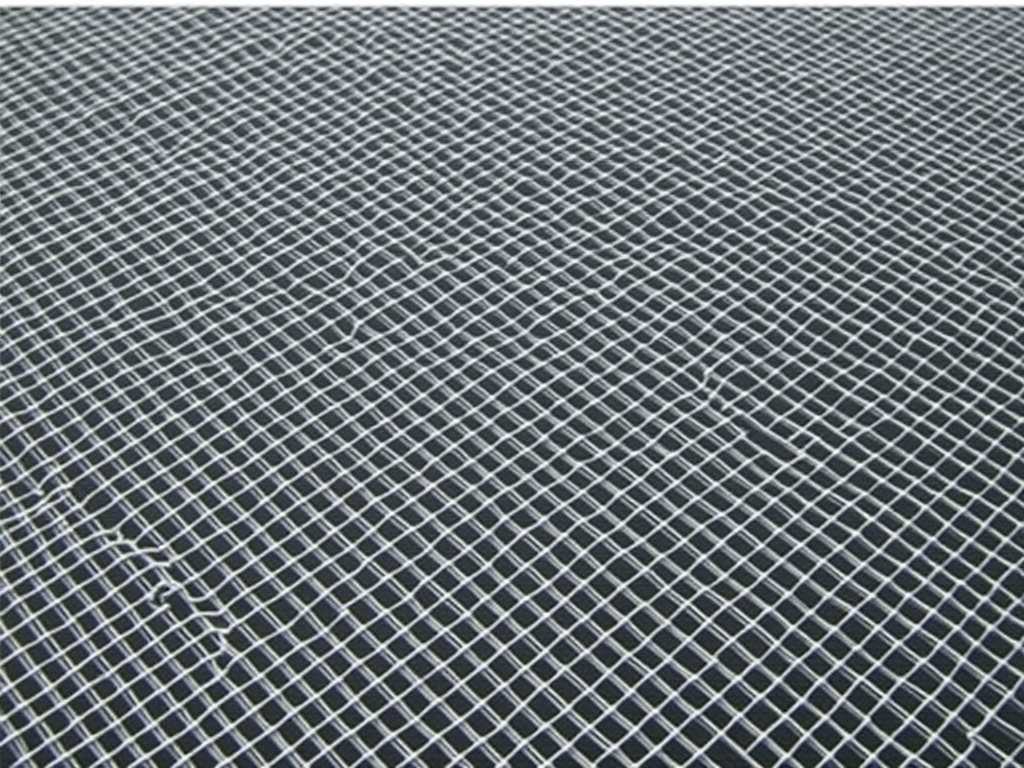
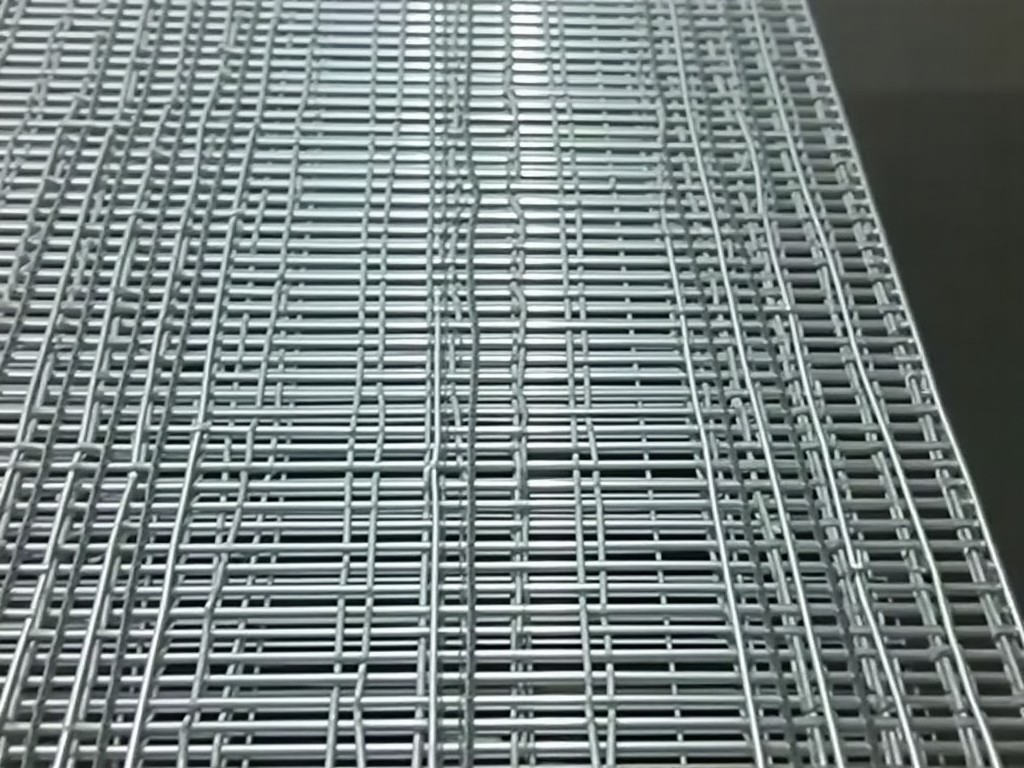
Reinforced concrete wire mesh is a grid of cold‑drawn steel wires welded at intersections to provide tensile strength within concrete elements. It controls cracking, distributes loads, and improves
Request a QuoteWholesale Reinforced Concrete Wire Mesh Factory
Reinforced concrete wire mesh is a grid of cold‑drawn steel wires welded at intersections to provide tensile strength within concrete elements. It controls cracking, distributes loads, and improves the structural performance of slabs, walls, and precast components.
Technical Specifications
Typical mesh is produced from low‑carbon steel wire with diameters ranging from 3 mm to 6 mm. Openings are square or rectangular, commonly 50 mm × 50 mm up to 200 mm × 200 mm, and tensile strength of the wire meets or exceeds 550 MPa. Coatings include plain, hot‑dip galvanized (Z275), or epoxy‑based systems for corrosion resistance.
| Parameter | Typical Range | Notes |
|---|---|---|
| Wire Diameter | 3 mm – 6 mm | Selected per design load |
| Mesh Opening | 50 mm × 50 mm – 200 mm × 200 mm | Square or rectangular |
| Tensile Strength (wire) | ≥ 550 MPa | Meets ASTM A185 |
| Coating Options | Plain, Galvanized (Z275), Epoxy | Customizable per exposure |
Manufacturing Process
Production starts with drawing high‑carbon steel rod to the target wire diameter, followed by straightening and cutting to length. Wires are arranged in a grid pattern and joined by electric resistance welding at each intersection, ensuring consistent weld shear strength. After welding, the mesh undergoes cleaning, coating application if required, and final dimensional inspection before packaging.
Applications
Reinforced concrete wire mesh is embedded in concrete to mitigate shrinkage cracking and to distribute point loads across a larger area. In ground‑supported slabs it increases flexural capacity and allows thinner sections while maintaining serviceability. In precast wall panels it provides shear reinforcement that resists lateral forces during handling and erection.
- Ground‑borne floor slabs for warehouses and factories
- Precast concrete wall and façade panels
- Concrete overlay and repair works
- Infrastructure elements such as barrier curbs and drainage channels
Quality Control & Testing
Each batch undergoes tensile testing of wire samples to verify strength, bend tests to confirm ductility, and weld shear tests to ensure joint integrity. Dimensional checks include wire diameter, opening size, and overall panel squareness using calibrated gauges. Visual inspection identifies surface defects, coating uniformity, and any welding inconsistencies before release.
Customization Options
- Wire diameter: 3 mm, 4 mm, 5 mm, 6 mm (intermediate sizes available)
- Mesh opening: 50 mm × 50 mm up to 200 mm × 200 mm, custom rectangles
- Panel dimensions: standard widths 0.6 m–2.4 m, lengths up to 6 m (cut‑to‑length)
- Coating: plain, hot‑dip galvanized (Z275/Z450), epoxy‑polyester, PVC
- Edge treatment: straight, bent, or hooked ends for anchorage
Packaging & Shipping
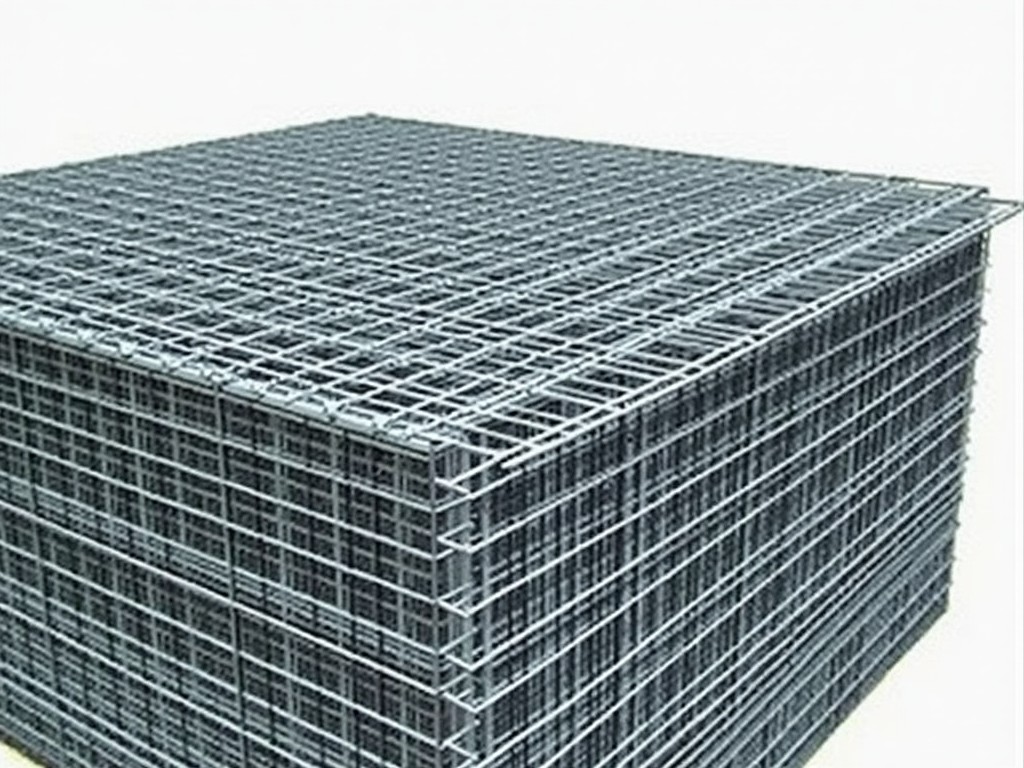
Mesh panels are bundled with steel straps, placed on wooden pallets, and covered with waterproof polyethylene film to prevent corrosion during transit. For overseas shipments, additional corrosion inhibitor VCI sheets are added inside the wrap. Each pallet is labeled with size, grade, coating type, and quantity for easy inventory handling.
Frequently Asked Questions
Yes, wire diameter, opening size, panel width and length can be adjusted to project specifications; custom tooling may apply for non‑standard sizes.
What information is required before quotation?Required data include wire diameter, mesh opening, panel dimensions, coating type, quantity, and delivery destination. Any special edge treatment or testing standards should also be specified.
How is quality inspected?Inspection follows ASTM A185 and internal procedures: tensile strength, bend test, weld shear strength, dimensional verification, and visual coating check.
What packaging methods are available?Standard packaging uses strapped bundles on pallets with PE film; options include VCI‑treated wrap, wooden crates, or container‑ized loading for bulk orders.
Get a Quote
To receive a detailed quotation, provide your project specifications via the contact form. Our engineering team will review the requirements and return a formal offer with lead times and pricing.
Request Quote