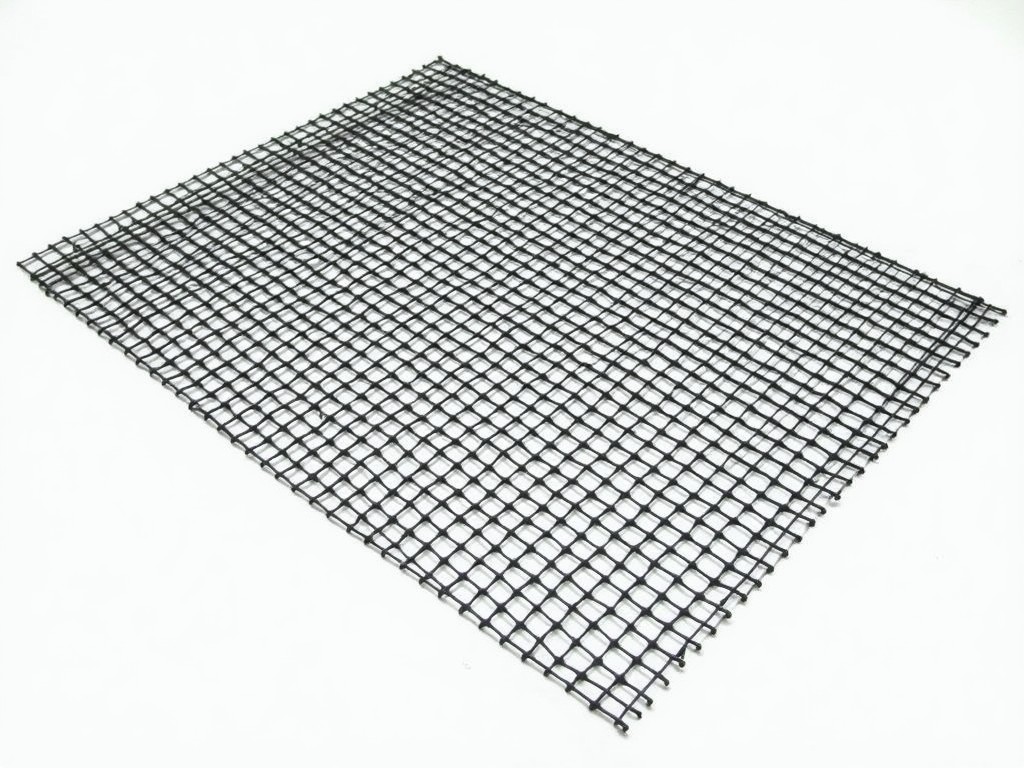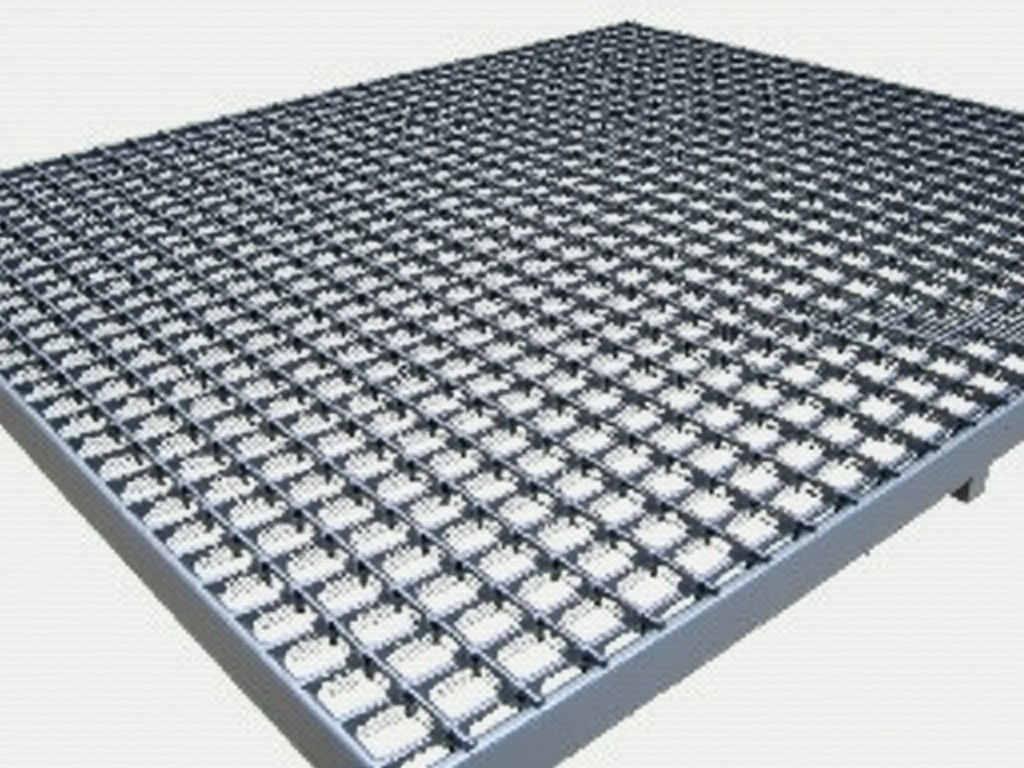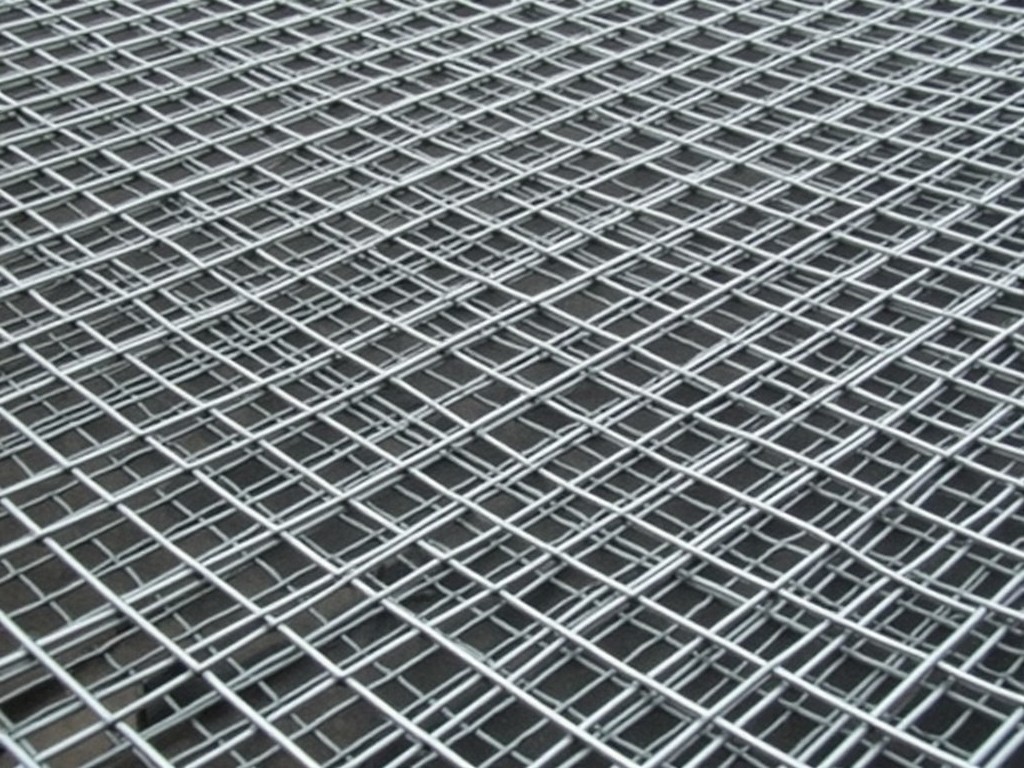
Wholesale Heavy Duty Expanded Metal Grating Decking Factory
Expanded metal grating decking is produced by slitting and stretching a metal sheet to form a uniform pattern of diamond‑shaped openings. The process creates a continuous, load‑bearing surface with
Request a QuoteWholesale Heavy Duty Expanded Metal Grating Decking Factory
Product Overview
Expanded metal grating decking is produced by slitting and stretching a metal sheet to form a uniform pattern of diamond‑shaped openings. The process creates a continuous, load‑bearing surface with no welds or joints, which eliminates weak points under cyclic loading.
Heavy duty versions use thicker base material and tighter strand spacing to achieve higher tensile strength and impact resistance. Typical base thicknesses range from 3 mm to 6 mm for carbon steel, with opening sizes from 12 mm to 25 mm measured across the short diagonal.
Material and Construction
Carbon steel (Q235, S275) is the most common substrate due to its yield strength and cost‑effectiveness. For corrosive environments, hot‑dip galvanized coating (minimum 60 µm zinc) or stainless steel grades 304/316L are offered.
The expansion ratio (final width/original width) typically falls between 1.8 and 2.5, influencing both open area and stiffness. Higher expansion ratios increase open area for drainage but reduce longitudinal stiffness; lower ratios provide greater load‑bearing capacity.
| Material | Typical Yield Strength (MPa) | Corrosion Protection |
|---|---|---|
| Carbon Steel (Q235) | 235 | Hot‑dip Galvanized (≥60 µm) |
| Stainless Steel 304 | 215 | Inherent (passive oxide layer) |
| Stainless Steel 316L | 205 | Inherent (enhanced chloride resistance) |
Mechanical Performance
Load capacity is expressed as uniformly distributed load (UDL) that the grating can support without exceeding a deflection limit of L/200, where L is the span between supports.
Impact resistance is evaluated by Charpy V‑notch testing; heavy duty grades typically achieve values above 27 J at –20 °C for carbon steel.
| Base Thickness (mm) | Opening Size (mm, short diagonal) | UDL Capacity (kN/m²) @ L=600 mm | Deflection at UDL (mm) |
|---|---|---|---|
| 3 | 12 | 4.5 | 3.0 |
| 4 | 16 | 6.8 | 2.8 |
| 5 | 20 | 9.2 | 2.5 |
| 6 | 25 | 12.0 | 2.2 |
Typical Applications
In petrochemical plants, the grating is installed on walkways and pipe racks where slip resistance and drainage are critical; the diamond pattern provides multidirectional traction and allows liquids to pass through, reducing hydrostatic load on the structure.
Heavy‑duty industrial flooring in steel mills and foundries benefits from the high impact resistance and ability to withstand hot debris, while the open area facilitates cooling air circulation and debris removal.
Marine offshore platforms use stainless steel versions to resist chloride‑induced corrosion, and the grating’s high strength‑to‑weight ratio reduces overall topside weight, a key factor in floating structure design.
Customization Options
- Sheet dimensions: width up to 1500 mm, length up to 6000 mm (custom lengths available)
- Opening pattern: standard diamond, reduced opening for higher load, or enlarged opening for drainage
- Edge treatment: plain, bent flange, or welded edge bar for frame integration
- Surface finish: mill finish, hot‑dip galvanized, powder coated (RAL colors), or passivated stainless
- Secondary operations: punching for fastener holes, notching for fit‑up, or bending to form stair treads
Quality Assurance
Each batch undergoes dimensional verification using laser scanning to ensure strand width, opening size, and overall flatness stay within ±0.2 mm tolerance.
Mechanical testing includes tensile strength on coupons taken from the expanded mesh and bend testing to verify ductility before any coating process.
Coating thickness is measured with magnetic induction probes; galvanized coatings are verified to meet ISO 1461 minimum weight per area.
Final inspection includes visual examination for surface defects and a slip‑resistance test (pendulum) when required by the client.
Packaging and Logistics
Sheets are stacked on pallets with interleaving polyethylene film to prevent surface abrasion. Corner protectors and steel straps secure the load, and each pallet is labeled with material grade, dimensions, and heat number.
For export, pallets are fitted with heat‑treated wooden bases compliant with ISPM‑15 and wrapped in stretch film. Container loading is optimized to keep the center of gravity low, reducing shift during transit.
Typical lead time from order confirmation to ex‑works is 3‑4 weeks for carbon steel grades; stainless steel grades may require an additional week due to longer annealing cycles.
Frequently Asked Questions
- Can dimensions be customized? Yes, width, length, opening size, and edge treatment can be adjusted to project specifications.
- What information is required before quotation? Required details include material grade, base thickness, opening size, sheet dimensions, edge finish, coating type, and quantity.
- How is quality inspected? Dimensional checks, mechanical tensile testing, coating thickness measurement, and visual/slip‑resistance inspection are standard.
- What packaging methods are available? Standard pallet packing with film interleaving, corner protectors, and steel strapping; export‑grade ISPM‑15 pallets with stretch wrap.
- What is the typical production lead time? 3‑4 weeks for carbon steel, 4‑5 weeks for stainless steel, depending on order complexity.
Contact Us
To request a quotation or discuss technical specifications, please provide your project details using the form below.
Request Quotation