Wholesale Floor Forge Walkway Steel Grating Supplier
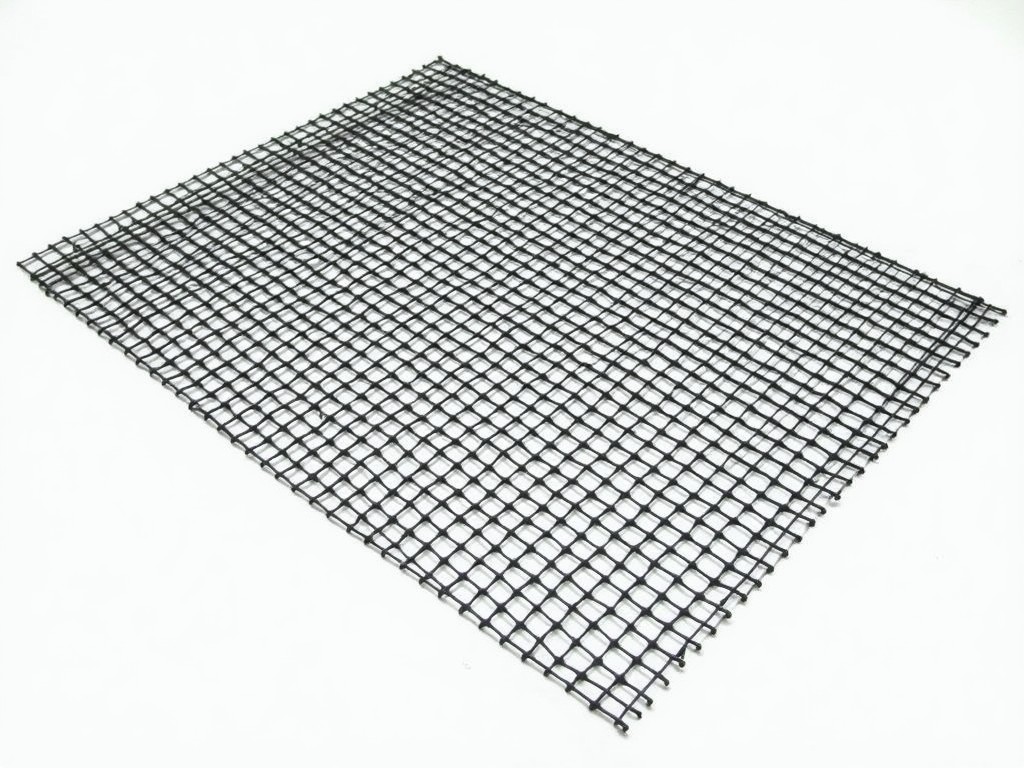
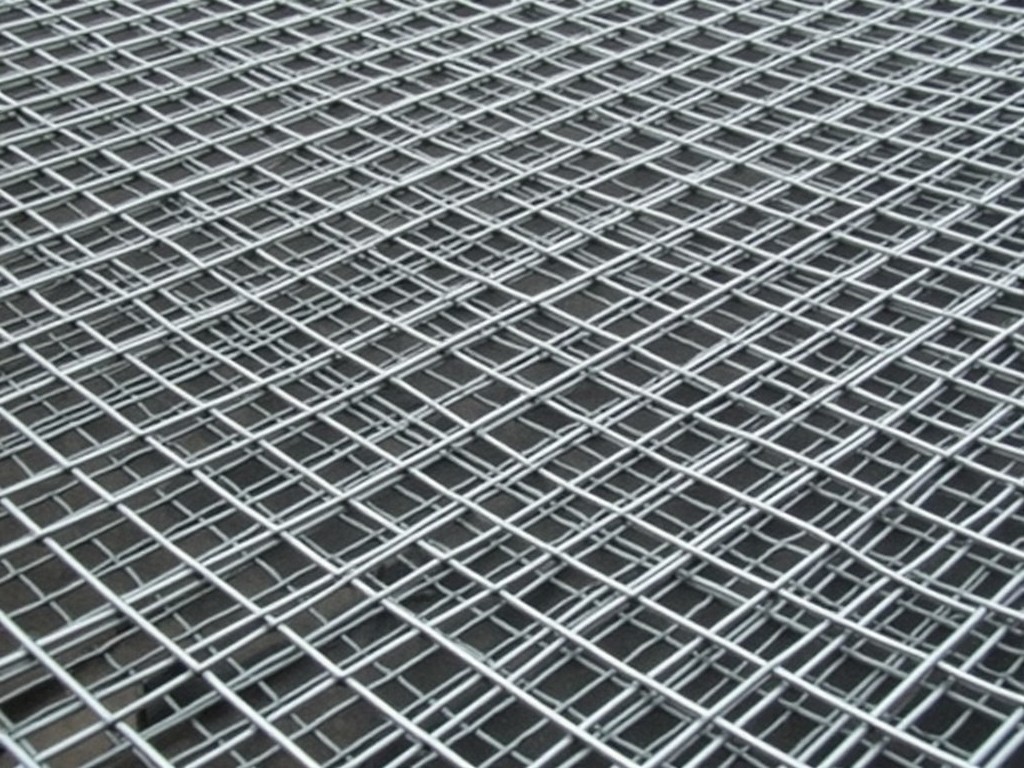
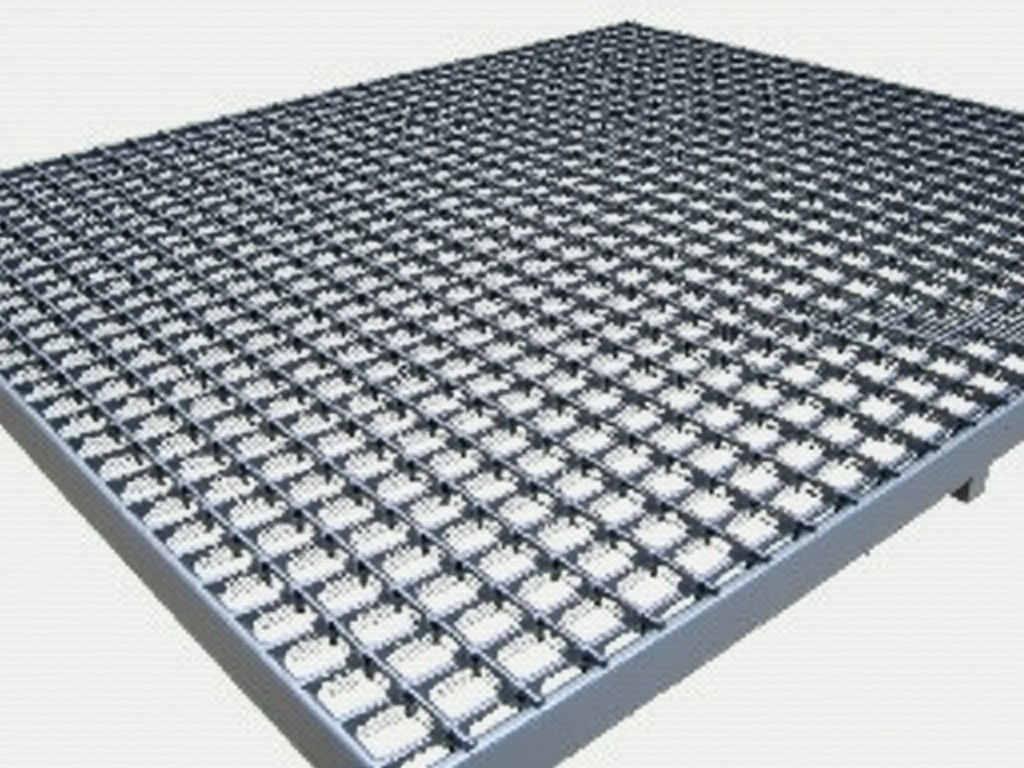
Floor forge walkway steel grating is a load‑bearing panel made by forge‑welding bearing bars and cross rods into a rigid grid. It provides a slip‑resistant surface for pedestrian and light‑vehicle
Request a QuoteWholesale Floor Forge Walkway Steel Grating
Floor forge walkway steel grating is a load‑bearing panel made by forge‑welding bearing bars and cross rods into a rigid grid. It provides a slip‑resistant surface for pedestrian and light‑vehicle traffic while allowing drainage, ventilation, and easy cleaning. The product is supplied in bulk to distributors, contractors, and OEMs who require consistent dimensions and predictable structural performance.
Key Specifications
Standard grating is produced from hot‑rolled carbon steel with a minimum yield strength of 250 MPa. Bearing bars are typically 25 mm high and 5 mm thick, spaced at 30 mm centers, while cross rods are 6 mm diameter twisted square bars welded at 100 mm intervals. The resulting open area is approximately 70 % which supports self‑cleaning and reduces weight.
| Parameter | Typical Value | Notes |
|---|---|---|
| Bearing bar height | 25 mm | Can be increased to 40 mm for higher loads |
| Bearing bar thickness | 5 mm | Optional 6 mm or 8 mm |
| Bar spacing (center‑to‑center) | 30 mm | Alternative 25 mm or 40 mm |
| Cross rod diameter | 6 mm | Twisted square for shear resistance |
| Load capacity (uniform) | 3.5 kN/m² | Depends on bar size and span |
| Weight per m² | ≈12 kg/m² | Varies with bar dimensions |
Manufacturing Process
The grating is produced on a forge welding line where bearing bars are heated to forging temperature and pressed together with cross rods under high pressure. This creates a metallurgical bond without filler material, resulting in a joint that matches the parent metal’s strength. After welding, the panels are cut to length, deburred, and inspected for dimensional tolerance before surface treatment.
Surface Treatment Options
To resist corrosion in indoor and outdoor environments, the steel grating receives one of several finishes. Hot‑dip galvanizing applies a zinc coating of approximately 85 µm, providing sacrificial protection. Powder coating offers a polymer layer in various RAL colors with a thickness of 60‑80 µm, suitable for aesthetic or chemical‑resistant requirements. For aggressive environments, a duplex system (galvanizing followed by powder coating) can be specified.
- Hot‑dip galvanized (ISO 1461)
- Powder coated (epoxy or polyester)
- Duplex galvanized‑plus‑powder
- Uncoated (for indoor dry areas)
Typical Applications
Floor forge walkway grating is chosen where a combination of strength, openness, and slip resistance is required. The open grid permits fluids, chips, and debris to fall through, reducing slip hazards and simplifying cleaning. Its high strength‑to‑weight ratio makes it suitable for elevated walkways, mezzanine floors, and stair treads in factories, warehouses, and power plants.
- Industrial pedestrian walkways and platforms
- Maintenance aisles around machinery
- Stair treads and landing panels
- Trench covers and drainage grates
- Vehicle ramps with light‑load criteria
Customization Capabilities
Because the product is fabricated to order, dimensions, bar profiles, and spacing can be adjusted to match project‑specific load tables and clear opening requirements. Custom lengths up to 6 m are common, with panel widths limited only by handling equipment. Special bar shapes such as serrated or flat‑top bars are available to enhance slip resistance or accommodate specific fastening methods.
Quality Assurance
Each batch undergoes visual inspection for weld integrity, dimensional checks using calibrated gauges, and coating thickness measurement with a magnetic pull‑off tester. Load testing is performed on representative samples to verify that the declared uniform load capacity is met. Traceability is maintained through heat numbers and production lot codes.
Packaging and Logistics
Finished gratings are bundled with steel strapping and placed on pallets lined with moisture‑barrier film. Corner protectors prevent deformation during transit. For overseas shipments, the pallets are fumigated and secured in containers according to ISPM‑15 standards. Documentation includes material test reports and coating certificates.
Frequently Asked Questions
- Can dimensions be customized? Yes, bar height, thickness, spacing, and panel length are adjusted per drawing.
- What information is required before quotation? Required data include clear span, load criteria, bar size preference, finish type, and quantity.
- What materials are available? Standard carbon steel; stainless steel grades 304/316 are offered upon request.
- How is quality inspected? Visual weld inspection, dimensional verification, coating thickness, and sample load testing.
- What packaging methods are available? Strapped bundles on pallets with protective film; custom crating for oversized panels.
- How are export shipments protected? Moisture barrier, corner protectors, and ISPM‑15 compliant pallets.
- What is the typical production lead time? 2‑4 weeks for standard sizes; longer for special alloys or finishes.
- How are samples arranged? Small sample sections can be shipped via express courier upon request.