Wholesale Chicken Mesh For Construction Factory
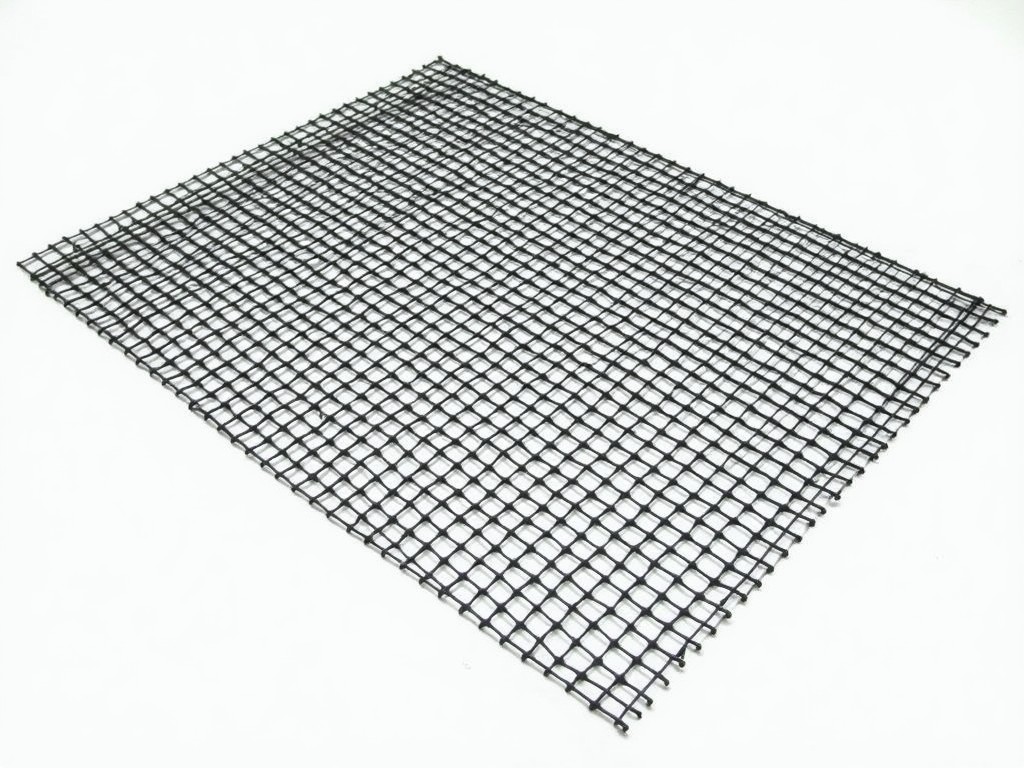
Chicken mesh, also known as poultry netting or hexagonal wire mesh, is fabricated from low-carbon steel wire woven into a uniform hexagonal pattern. In construction contexts, it serves as a
Request a QuoteWholesale Chicken Mesh for Construction Factory
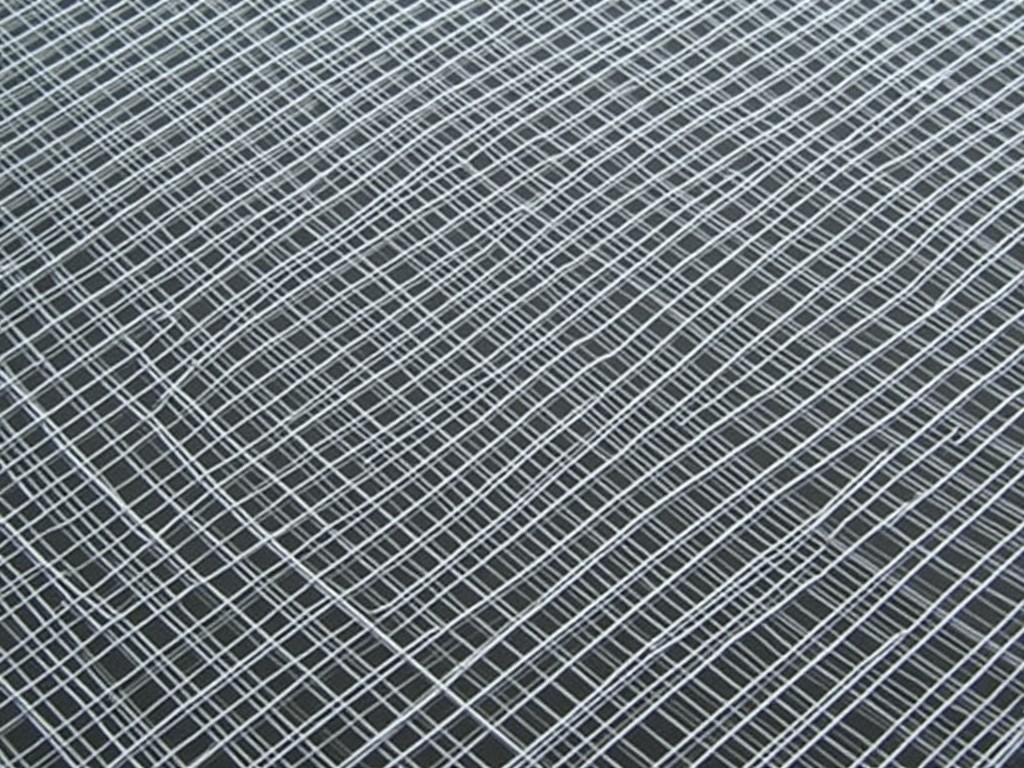
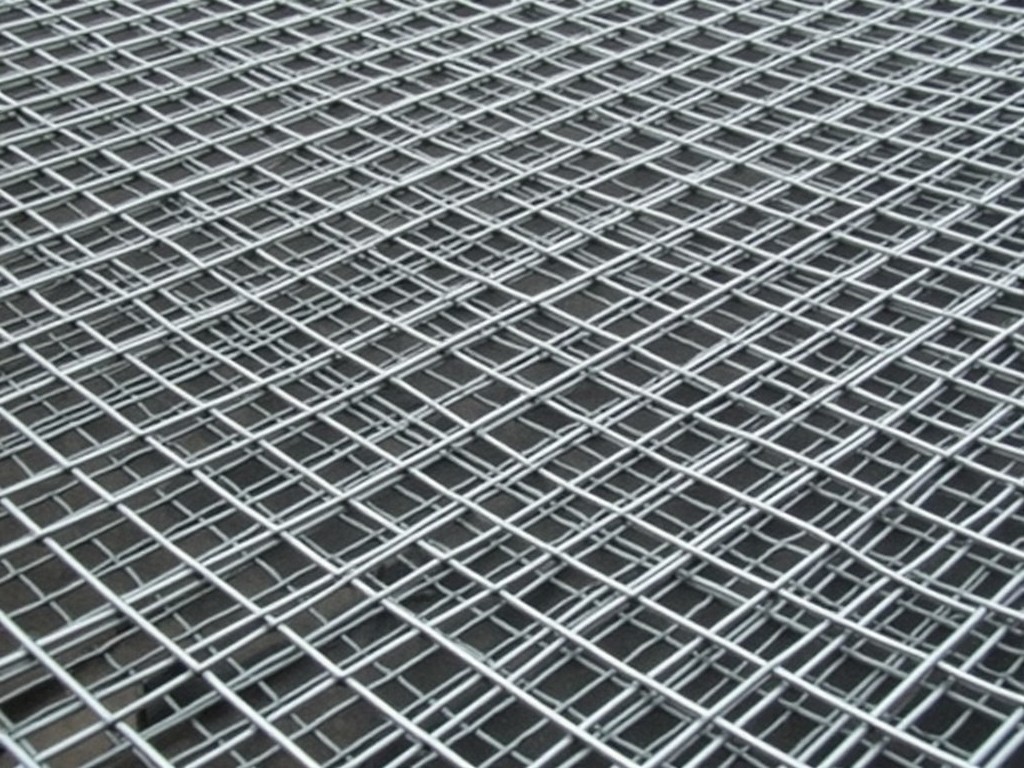
Chicken mesh, also known as poultry netting or hexagonal wire mesh, is fabricated from low-carbon steel wire woven into a uniform hexagonal pattern. In construction contexts, it serves as a lightweight reinforcement and protective layer where full-scale rebar is unnecessary or impractical.
Material Composition and Mechanical Properties
The base wire is typically cold-drawn steel with a carbon content below 0.10%, providing a balance between ductility and tensile strength. Standard galvanization applies a zinc coating of approximately 10–12 µm thickness, improving corrosion resistance in humid environments.
Typical mechanical values for a 2.0 mm diameter wire are: tensile strength 350–450 MPa, yield strength approx. 250 MPa, and elongation at break >15%. These figures vary with wire gauge and coating type.
Standard Specifications
| Parameter | Typical Range | Unit |
|---|---|---|
| Wire diameter | 0.8 – 2.5 | mm |
| Hexagonal opening (across flats) | 12 – 50 | mm |
| Roll width | 0.5 – 2.0 | m |
| Roll length | 10 – 50 | m |
| Weight per linear meter | 0.2 – 1.5 | kg/m |
Why Construction Factories Use Chicken Mesh
In prefabrication plants, the mesh is often embedded in thin concrete overlays to control cracking and improve impact resistance. Its low modulus relative to concrete allows it to accommodate minor shrinkage without inducing stress concentrations.
The open geometry provides mechanical keying for plaster or render layers, reducing delamination risk. Additionally, the mesh functions as a safety barrier on formwork edges, preventing concrete spillage while remaining easy to cut and shape on site.
Customization Options
- Wire diameter selection from 0.8 mm to 2.5 mm to match load requirements.
- Opening size adjustable between 12 mm and 50 mm for varying embedment depth.
- Coating choices: hot-dip galvanized, electro‑galvanized, or PVC‑coated for specific corrosion environments.
- Roll dimensions tailored to production line feeding equipment (width 0.5–2.0 m, length up to 50 m).
- Optional edge reinforcement with folded selvage to prevent unraveling during handling.
Quality Control Philosophy
Each production lot undergoes dimensional verification using laser micrometers to ensure wire diameter and opening tolerances stay within ±0.05 mm.
Tensile samples are pulled to failure; results are recorded and compared against the specification batch. Coating thickness is measured via magnetic induction probes, with acceptance criteria aligned to ISO 1461 for galvanization.
Visual inspection checks for uniform weave, absence of broken wires, and proper edge selvage. Any lot exceeding a 0.2 % defect rate is quarantined for rework.
Packaging and Shipping
- Rolls are wrapped in polyethylene film to protect against moisture during transit.
- Standard pallet configuration holds 16–20 rolls, secured with stretch wrap and corner protectors.
- For export, cartons are lined with corrugated sheets and marked with handling symbols per ISPM 15 when wooden pallets are used.
- Custom packaging (e.g., cardboard cores, labeled sleeves) is available upon request to integrate with automated feeding systems.
Frequently Asked Questions
Can dimensions be customized? Yes, wire gauge, opening size, roll width and length are adjusted per production line specifications.
What information is needed for a quotation? Required details include desired wire diameter, mesh opening, coating type, roll dimensions, quantity, and delivery destination.
Which materials are available? Base wire is low‑carbon steel; coatings include hot‑dip galvanized, electro‑galvanized, or PVC‑coated options.
How is quality inspected? Dimensional checks, tensile testing, coating thickness measurement, and visual inspection are performed per lot.
What packaging methods are available? Polyethylene‑wrapped rolls on pallets, with optional cardboard cores or labeled sleeves for automated handling.
How are export shipments protected? Moisture barrier film, corner protectors, and ISPM 15‑compliant pallet marking reduce corrosion and mechanical damage.
What is the typical production lead time? Lead time ranges from 7 to 15 business days depending on order size and coating complexity.
How are samples arranged? Sample rolls (up to 5 m length) can be dispatched upon request; shipping costs are usually borne by the requester.
Next Steps
To discuss technical suitability or request a formal quote, please provide your project specifications. Our engineering team will review mesh dimensions, coating needs, and logistics to deliver a precise response.