Oem Galvanized Concrete Reo Reinforcing Mesh Panels Manufacturer
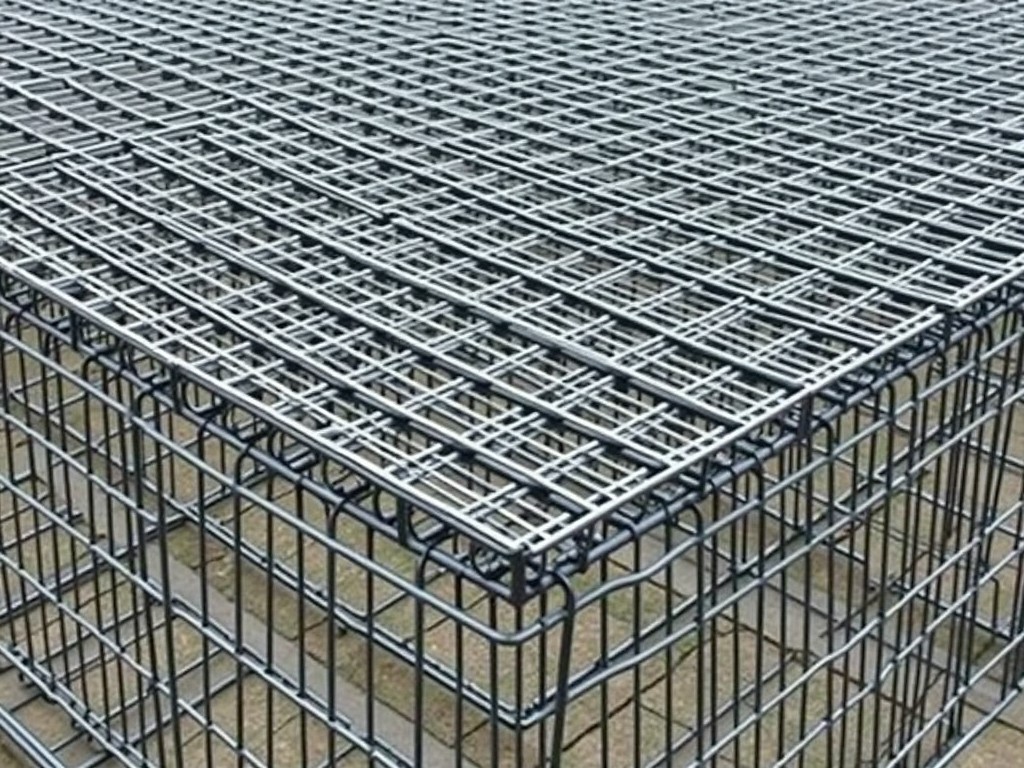
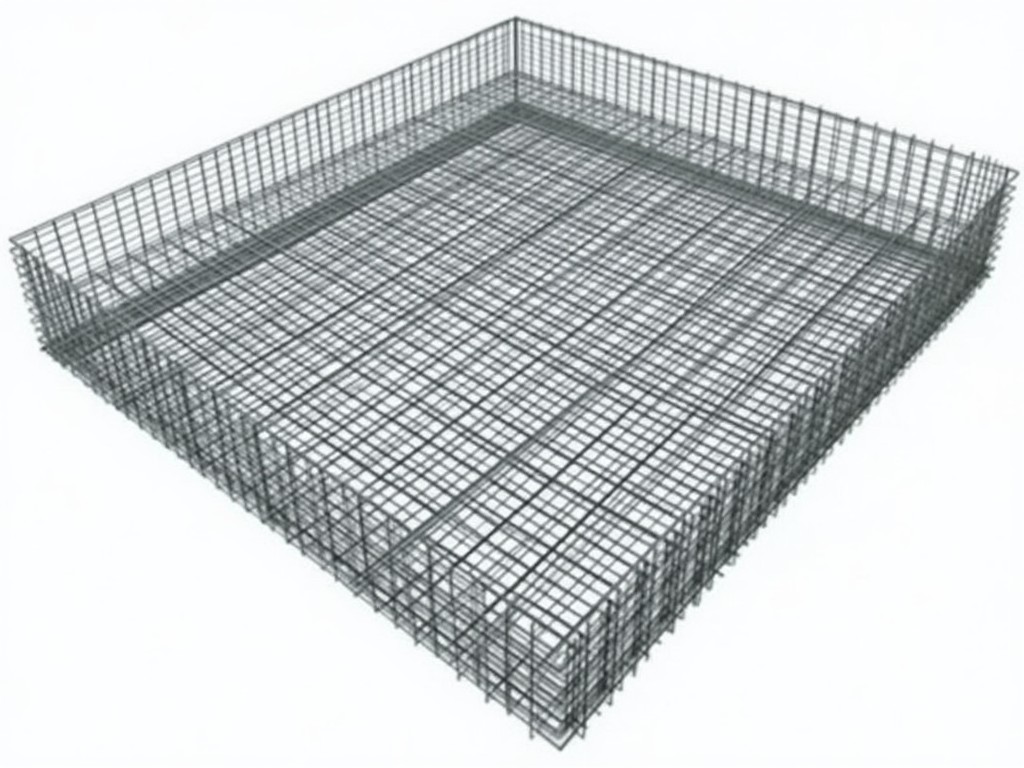
Galvanized concrete reinforcing mesh panels are prefabricated grids made from steel wire that has been coated with a zinc layer to resist corrosion. The panels are welded at intersections to form a
Request a QuoteOEM Galvanized Concrete Reinforcing Mesh Panels
Galvanized concrete reinforcing mesh panels are prefabricated grids made from steel wire that has been coated with a zinc layer to resist corrosion. The panels are welded at intersections to form a uniform mesh that distributes tensile stresses within concrete slabs, walls, and precast elements. Manufacturers produce these panels to order, adjusting wire diameter, opening size, panel dimensions, and coating weight to match project specifications.
Technical Specifications
| Parameter | Typical Range | Notes |
|---|---|---|
| Wire diameter | 3.0 mm – 6.0 mm | Selected based on required tensile area |
| Mesh opening (center‑to‑center) | 50 mm × 50 mm – 200 mm × 200 mm | Standard square openings; rectangular options available |
| Panel width | 600 mm – 2400 mm | Custom lengths up to 6 m |
| Panel length | 1200 mm – 6000 mm | Limited by handling and transport constraints |
| Zinc coating mass | 100 g/m² – 275 g/m² (per surface) | Measured per EN ISO 1461; higher for aggressive environments |
| Tensile strength of wire | 450 MPa – 550 MPa | Cold‑drawn high‑carbon steel |
Manufacturing Process
Production begins with cold‑drawing high‑carbon steel wire to the target diameter, followed by cleaning to remove oxides. The wire then passes through a hot‑dip galvanizing bath where a metallurgical zinc‑iron alloy layer forms, providing barrier and sacrificial protection. After galvanizing, the wire is cut to length and fed into automated welding machines that fuse intersections using resistance welding, ensuring consistent weld strength without compromising the coating. Panels are subsequently sheared or cut to final dimensions, inspected for weld continuity and coating thickness, then bundled for shipment.
Process control monitors wire tensile properties, coating weight via magnetic induction, and weld penetration using ultrasonic testing. Deviations trigger automatic adjustments to line speed, bath temperature, or weld parameters, maintaining conformity to EN 10080 and local reinforcement standards.
Applications in Concrete Construction
Reinforcing mesh panels are used where distributed tensile resistance is required, such as in ground‑supported slabs, precast wall panels, and tunnel linings. The uniform spacing of wires creates a predictable crack‑control mechanism, limiting crack width to acceptable serviceability levels. Compared with traditional bar reinforcement, mesh reduces labor time because large areas are covered with a single lift, and the prefabricated nature minimizes on‑site cutting and bending.
In environments exposed to chlorides—such as marine structures, parking garages, or industrial flooring—the galvanized coating extends service life by slowing corrosion initiation. Designers specify coating mass based on expected chloride ingress rates, often selecting the higher end of the range for splash zones. The mesh also serves as a secondary reinforcement layer in composite systems where primary rebar carries major loads and the mesh handles shrinkage and temperature stresses.
Customization Options
- Wire diameter from 3 mm to 6 mm in 0.5 mm increments
- Mesh opening sizes: square 50 mm–200 mm, rectangular 50 mm×100 mm up to 150 mm×300 mm
- Panel dimensions: width 600 mm–2400 mm, length up to 6000 mm
- Zinc coating mass: 100 g/m², 150 g/m², 200 g/m², 275 g/m² (dual‑side available)
- Edge treatments: flattened, rolled, or with lifting lugs
- Surface finishes: passivated, chromate‑free, or polymer‑coated for extra barrier
Quality Control Philosophy
Quality assurance starts with raw material certification, verifying steel grade, carbon content, and mechanical properties before drawing. In‑process checks include real‑time coating thickness monitors, weld tensile tests on sample coupons, and dimensional verification using laser scanning. Finished panels undergo visual inspection for coating defects, bend‑back tests to assess ductility, and adhesion testing per ASTM D3359. Documentation accompanying each batch includes mill test reports, coating certificates, and inspection records, enabling traceability to the specific wire coil and production shift.
Frequently Asked Questions
Can dimensions be customized?
Yes. Panel width, length, wire diameter, and mesh opening are all adjusted per project drawings. Provide the required coverage area and any edge constraints; we will generate a layout drawing for approval before production.
What information is needed for a quotation?
Supply the desired wire diameter, mesh opening, panel dimensions, zinc coating mass, quantity, and delivery destination. If you have a reinforcement schedule or bar bending schedule, include it to confirm compatibility with primary rebar.
Which materials are available?
The base material is cold‑drawn high‑carbon steel (Grade SAE 1008/1010 equivalent). Alternative stainless‑steel wire (Grade 304 or 316) can be supplied upon request for extreme corrosion environments, with pricing and lead times quoted separately.
How is quality inspected?
Each lot undergoes coating weight measurement (magnetic induction), weld tensile testing on random samples, and dimensional verification. Visual inspection checks for zinc runs, drips, or uncovered spots. All results are recorded in a lot‑specific test report.
What packaging methods are available?
Panels are stacked flat with protective interleaving, then wrapped in UV‑stabilized polyethylene film. For overseas shipments, we add corner protectors, steel strapping, and place the bundles in fumigated wooden pallets or steel frames as required by ISPM 15.
How are export shipments protected?
Besides standard film wrapping, we apply desiccant packs inside the packaging to limit moisture during transit. The outer wrapping includes a UV‑resistant layer to prevent coating degradation from sunlight exposure while stored at the port.
What is the typical production lead time?
Lead time ranges from 10 to 20 working days after drawing approval, depending on order size and coating specification. Expedited options are available for critical schedules, subject to production capacity.
How are samples arranged?
We can provide a single‑panel sample (up to 1 m²) with the requested specifications. Sample preparation adds 3–5 days to the timeline; shipping costs are borne by the requester unless otherwise agreed.
Contact for Technical Inquiry
To discuss your project’s reinforcement needs, request a detailed quotation, or obtain CAD files for panel layout, please reach out to our engineering team. We will review your specifications, suggest optimal mesh parameters, and confirm delivery timelines.