Low Price Noise Barrier Railway Materials
Noise barrier materials for railway applications are engineered to attenuate airborne sound generated by passing trains, reducing wayside noise levels that affect nearby residential and commercial
Request a QuoteLow Price Noise Barrier Railway Materials
Overview
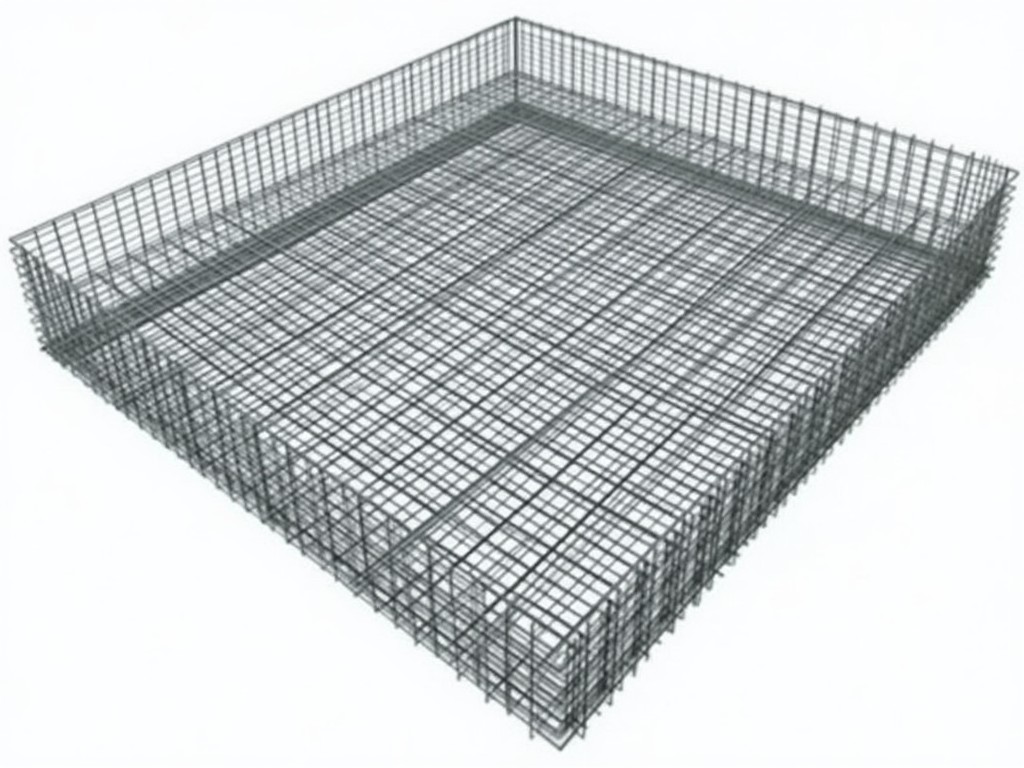
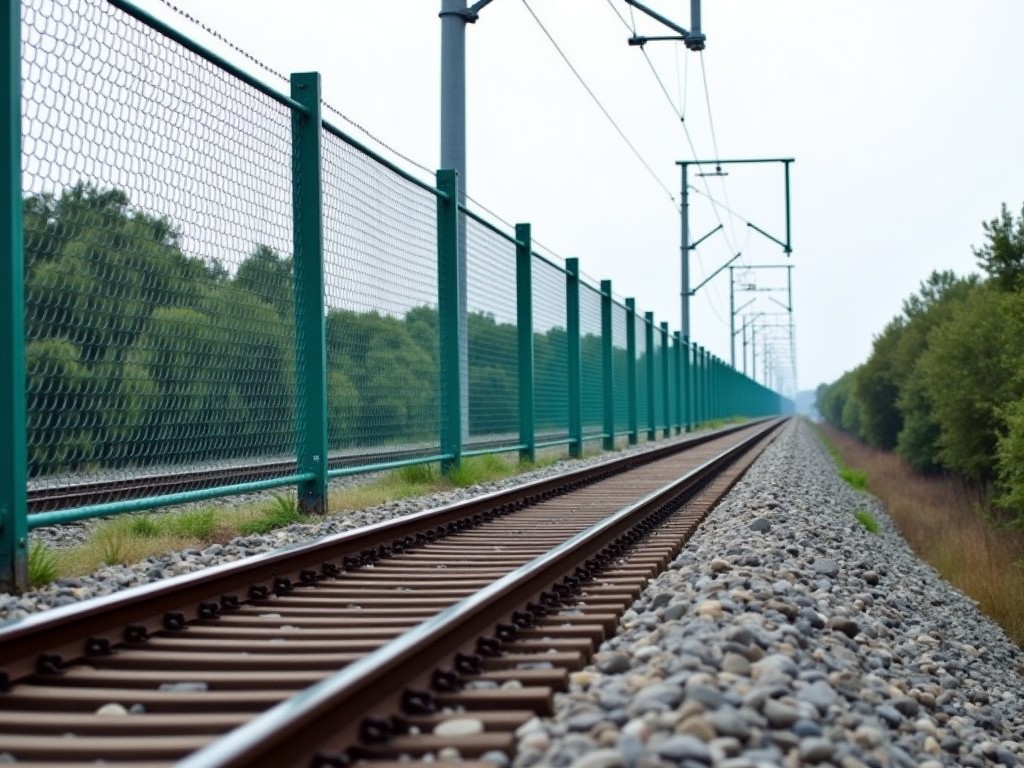
Noise barrier materials for railway applications are engineered to attenuate airborne sound generated by passing trains, reducing wayside noise levels that affect nearby residential and commercial areas. These products are typically installed along tracks, on viaducts, or as part of sound walls adjacent to right‑of‑way corridors. Their primary function is to increase the sound transmission loss (STL) of the barrier while maintaining sufficient mechanical durability to withstand environmental exposure and dynamic loads from rail traffic.
Material Composition
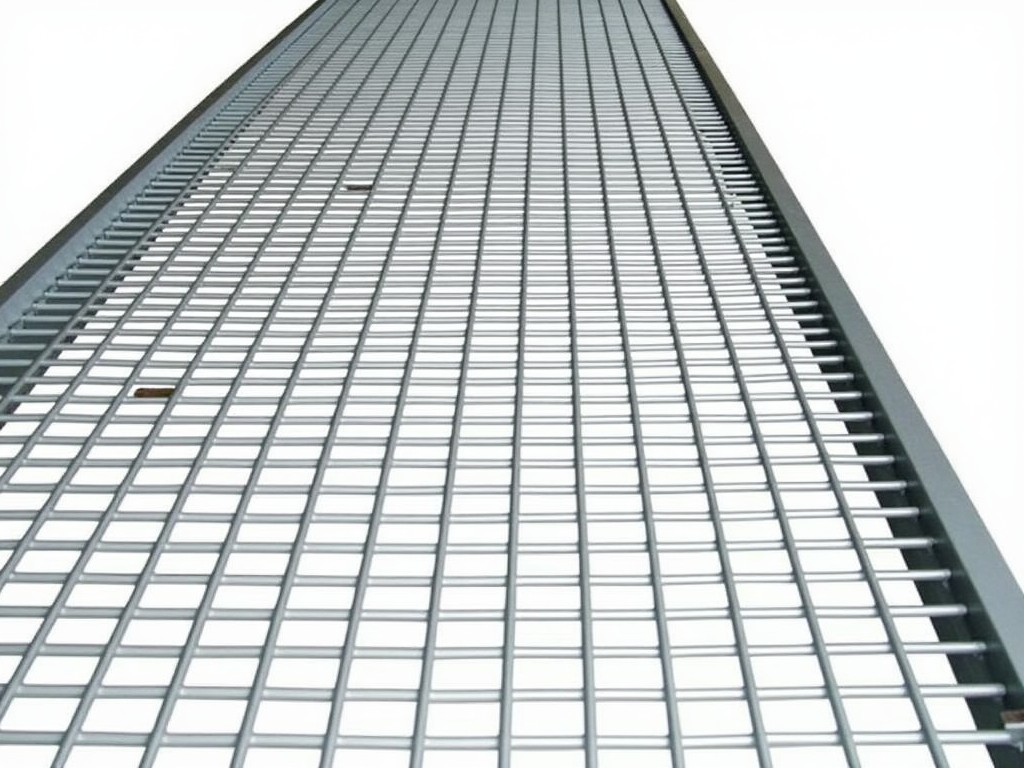
Common constructions combine a high‑density core with a protective facing. Core materials often include recycled rubber granules, mineral wool, or closed‑cell polyethylene foam, selected for their internal damping and low density. Facings may consist of UV‑stabilized polyvinyl chloride (PVC), high‑density polyethylene (HDPE), or galvanized steel sheets, providing resistance to moisture, abrasion, and temperature extremes. Typical overall densities range from 800 to 1 200 kg/m³, and panel thicknesses vary between 50 mm and 150 mm depending on the required acoustic performance.
Acoustic Performance
The sound transmission loss of a barrier is measured in decibels (dB) across frequency bands. For a 100 mm thick rubber‑core panel with HDPE facing, STL values are approximately 25 dB at 125 Hz, 30 dB at 500 Hz, and 35 dB at 2000 Hz. Absorption coefficients, relevant for reducing reflected noise, typically fall between 0.15 and 0.40 in the mid‑frequency range (500–2000 Hz). Performance scales roughly with mass per unit area; doubling the surface mass adds about 6 dB of STL according to the mass law.
| Frequency (Hz) | STL (dB) | Absorption Coefficient |
|---|---|---|
| 125 | 25 | 0.10 |
| 500 | 30 | 0.25 |
| 2000 | 35 | 0.35 |
Mechanical Properties
Mechanical durability ensures the barrier retains its shape and acoustic properties over years of service. Compressive strength of the core is usually between 0.2 and 0.5 MPa, sufficient to resist ballast pressure and occasional impact from maintenance equipment. Tensile strength of the facing layer exceeds 15 MPa for HDPE and 250 MPa for galvanized steel, providing resistance to wind uplift and thermal expansion. Operating temperature ranges are generally –30 °C to +80 °C, with UV stabilizers preventing degradation of polymer facings under prolonged sunlight.
Installation Methods
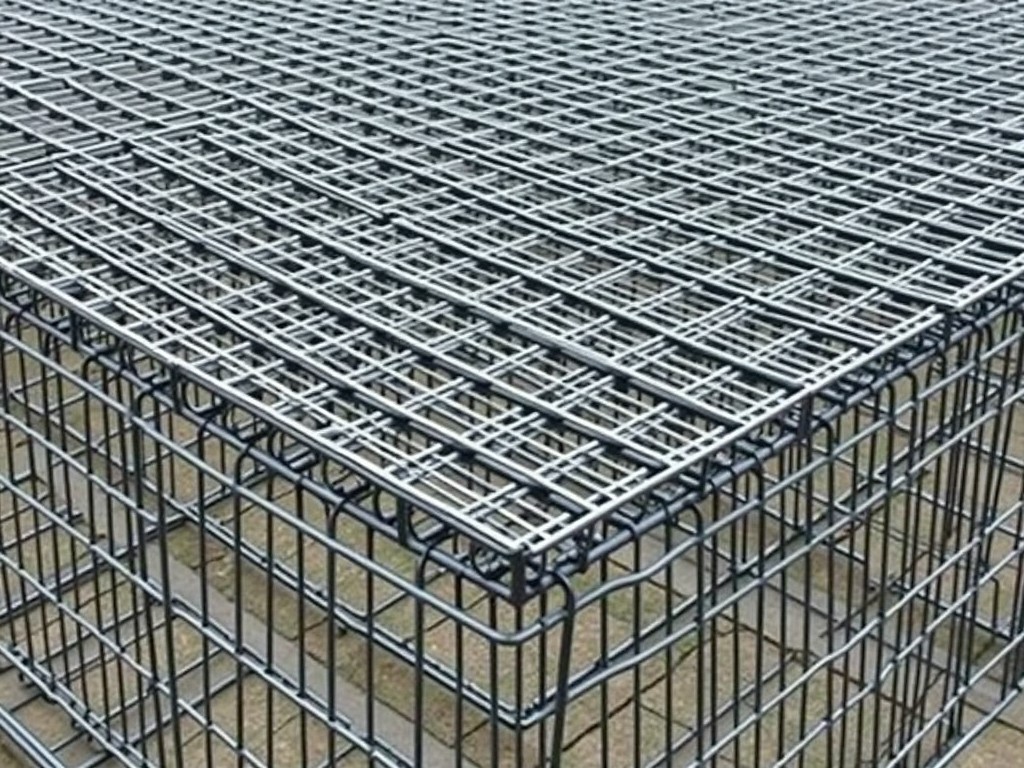
Installation is designed for speed and minimal track disruption. Panels are manufactured with pre‑drilled holes or integrated fastening rails that allow bolting to concrete sleepers, steel posts, or timber frames. Alternative systems use stainless steel clips that snap onto a C‑channel rail, enabling quick replacement of damaged sections. Adhesive bonds with polyurethane‑based sealants are used where mechanical fasteners are undesirable, providing a continuous barrier that accommodates minor substrate movement.
Quality Assurance
Each production lot undergoes routine testing to verify acoustic and mechanical specifications. Sound transmission loss is measured in accordance with ISO 140‑3 using a reverberation room method, while absorption coefficients follow ISO 354. Mechanical tests include compressive strength per ASTM D695 and tensile strength of facings per ASTM D638. Visual inspections check for uniform thickness, surface defects, and proper fastening hole alignment before packaging.
Customization Options
Barrier panels can be tailored to specific project constraints. Lengths are typically produced in 2 m, 2.5 m, or 3 m modules, but custom lengths up to 6 m are available upon request. Thickness can be adjusted from 50 mm to 150 mm to meet target STL values. Facings may be selected in various colors (gray, green, brown) to blend with surroundings, and surface textures can be added to reduce glare. Additional options include integrated drainage channels, anti‑graffiti coatings, or embedded reflective strips for night‑time visibility.
Applications
Railway noise barriers are most effective where the line runs close to sensitive receptors such as schools, hospitals, or residential neighborhoods. By increasing the STL of the barrier, the sound pressure level at the receiver can be reduced by 5–10 dB, which corresponds to a perceived halving of loudness. In urban transit corridors, barriers also help mitigate ground‑borne vibration transmission when combined with resilient under‑ballast mats, providing a dual benefit of noise and vibration control.
Frequently Asked Questions
Q: Can panel dimensions be customized to match existing foundation layouts?
A: Yes. Length, width, and thickness are adjustable based on project drawings; custom tooling is typically prepared within two weeks after receipt of final specifications.
Q: What information is required before a quotation can be issued?
A: Required details include the desired acoustic performance (target STL or reduction), panel dimensions, quantity, facing material preference, and any special treatments such as color or anti‑graffiti coating.
Q: Which materials are available for the core and facing?
A: Core options are recycled rubber granules, mineral wool, or closed‑cell polyethylene foam. Facings include UV‑stabilized HDPE, PVC, or galvanized steel; alternative composites can be discussed upon request.
Q: How is product quality verified before shipment?
A: Each lot undergoes acoustic testing (ISO 140‑3), mechanical testing (ASTM D695/D638), and visual inspection. Test reports are available on request.
Q: What packaging methods protect the panels during transit?
A: Panels are stacked on pallets, separated by corrugated cardboard layers, and wrapped in stretch film. Corner protectors and edge guards are added for long‑distance shipments to prevent impact damage.
Q: What is the typical production lead time?
A: Standard lead time is three to four weeks for stock configurations; custom sizes or facings may extend lead time to six weeks, depending on tooling requirements.
Contact for Technical Inquiry
For further details, request a quotation, or discuss project‑specific requirements, please reach out to our technical sales team.