Oem Catwalk Grating For Sale
Catwalk grating provides a safe walking surface for personnel accessing equipment, pipelines, or elevated work areas. It consists of parallel bearing bars joined by cross rods or welded
Request a QuoteOEM Catwalk Grating For Sale
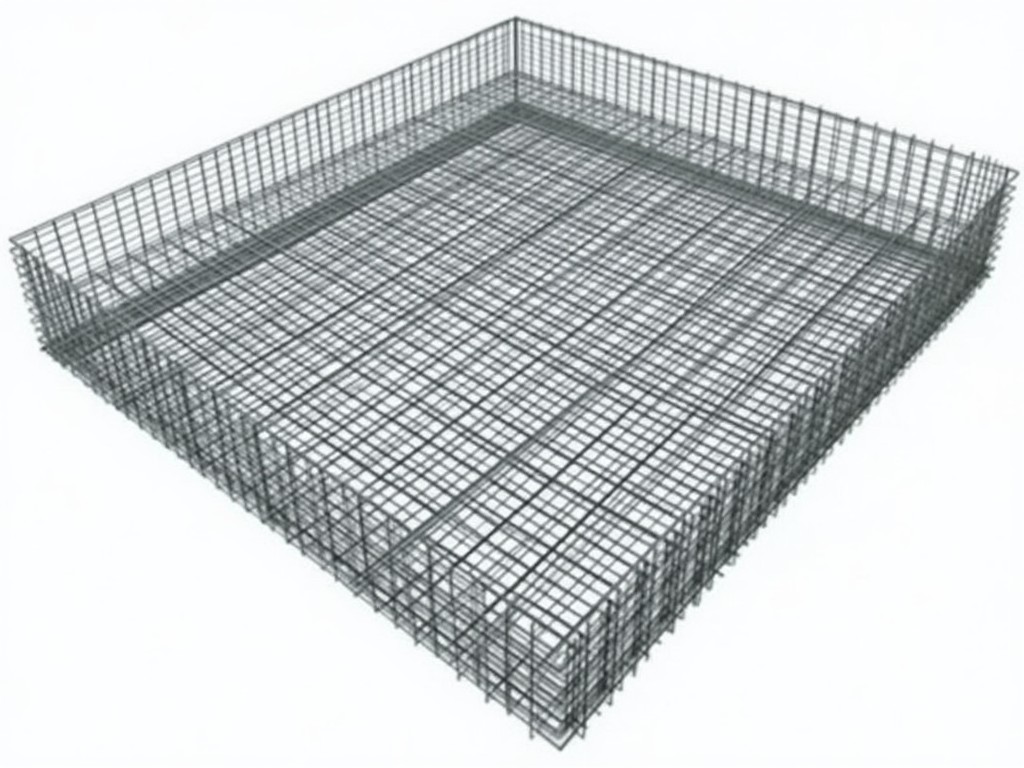
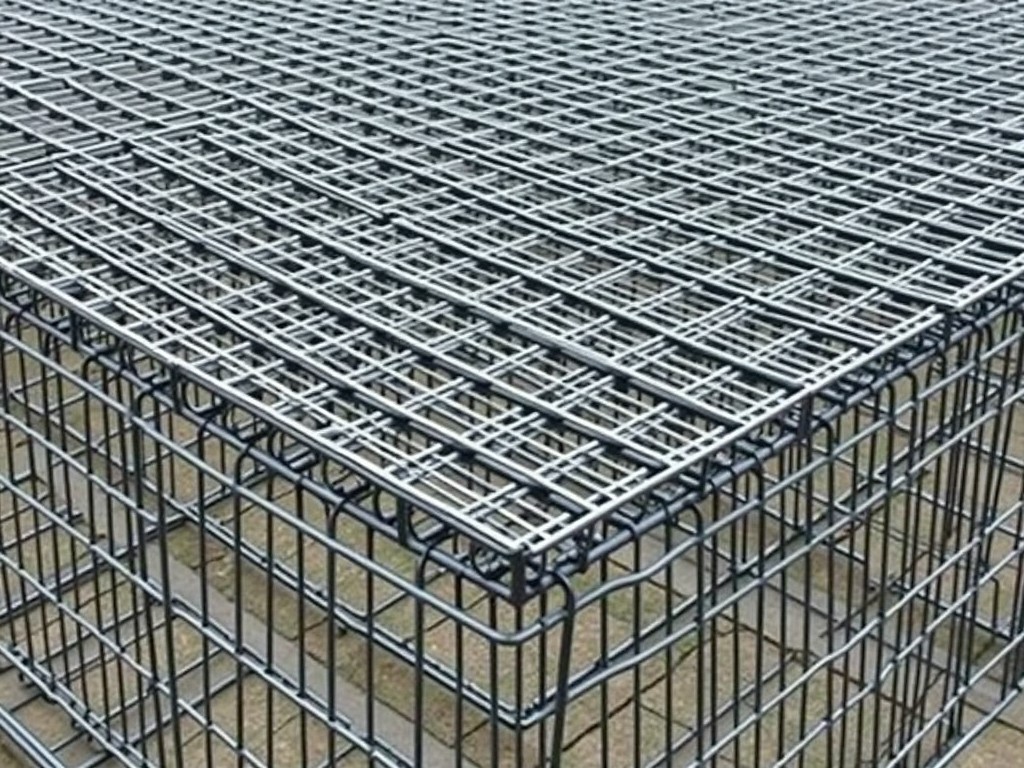
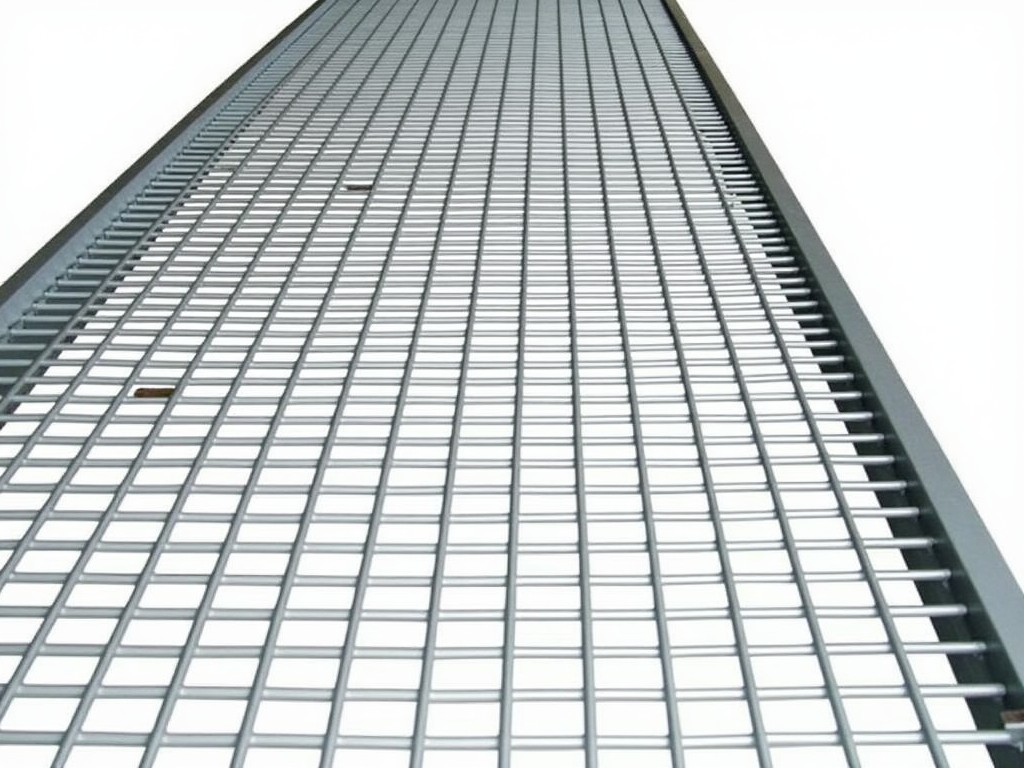
Catwalk grating provides a safe walking surface for personnel accessing equipment, pipelines, or elevated work areas. It consists of parallel bearing bars joined by cross rods or welded intersections, forming a rigid open‑grid panel that permits drainage, ventilation, and light transmission while supporting design loads.
Materials and Construction
Manufacturers typically produce catwalk grating from carbon steel, stainless steel (grades 304/316), or aluminum alloy. Carbon steel grating is often hot‑dip galvanized to a minimum zinc coating of 60 µm for corrosion resistance, while stainless steel options rely on inherent alloy resistance. Aluminum grating is supplied with a clear anodized finish or powder coating to achieve a specified thickness of 15‑25 µm.
Load Capacity and Deflection
Load ratings are expressed as uniformly distributed load (UDL) that the grating can sustain without exceeding the allowable stress of the bearing bar material. Deflection is limited to L/200 of the clear span to maintain serviceability and prevent discomfort under foot traffic.
| Bar Size (mm) | Clear Span (mm) | UDL Capacity (kN/m²) | Deflection at UDL (mm) |
|---|---|---|---|
| 30 × 5 | 600 | 5.0 | 3.0 |
| 40 × 5 | 800 | 7.5 | 4.0 |
| 50 × 5 | 1000 | 10.0 | 5.0 |
Applications
Industrial facilities install catwalk grating where personnel need safe, slip‑resistant access to machinery, valves, or inspection points while maintaining process openness. The open‑grid design allows fluids, debris, and light to pass through, reducing accumulation and simplifying cleaning.
- Petrochemical refineries – access to pipe racks and flare stacks
- Power generation – turbine hall walkways and condenser platforms
- Water treatment plants – walk over clarifier launder and filter beds
- Food processing – elevated platforms over conveyors where wash‑down is required
Customization Options
Buyers can specify grating geometry to match site constraints, loading conditions, and installation methods. Variations in bar dimensions, spacing, panel size, and edge treatment directly influence weight, stiffness, and cost.
- Bearing bar height: 25 mm – 75 mm
- Bar thickness: 3 mm – 8 mm
- Center‑to‑center spacing: 20 mm – 50 mm
- Panel length: up to 6000 mm (standard increments of 300 mm)
- Edge options: plain, banded, or with integrated toe‑board
- Surface treatments: hot‑dip galvanizing, powder coating, or anodizing
Quality Control and Testing
Quality assurance begins with raw material verification, including mill certificates for chemical composition and mechanical properties. During production, each weld is inspected visually and, where required, by magnetic particle testing to confirm absence of cracks or incomplete fusion. Dimensional checks confirm bar spacing, panel squareness, and overall length within ±3 mm tolerances. After fabrication, coating thickness is measured with a magnetic gauge to ensure compliance with the specified corrosion protection level.
Frequently Asked Questions
Can dimensions be customized?
Yes. Bar height, thickness, spacing, and panel length are all adjustable according to project requirements. Custom drawings are reviewed for structural adequacy before production.
What materials are available?
Carbon steel (A36 or equivalent), stainless steel grades 304 and 316, and aluminum alloys such as 6061‑T6 are stocked. Alternative alloys can be sourced upon request.
How is quality inspected?
Inspection includes material certification, visual weld examination, magnetic particle testing for critical welds, dimensional verification, and coating thickness measurement. Test reports are available with each shipment.
What is the typical production lead time?
Lead time varies with material grade and complexity but generally ranges from 2 to 4 weeks for standard carbon steel gratings. Stainless steel or aluminum orders may require an additional week for material procurement.
Request a Quote
To obtain a formal quotation or discuss technical specifications, please contact our sales team.