Factory Direct Carbon Steel Bar Grating Exporter
Carbon steel bar grating consists of load-bearing bars welded or forged perpendicular to cross rods, forming a rigid open‑grid panel. The open area typically ranges from 30% to 45% depending on bar
Request a QuoteFactory Direct Carbon Steel Bar Grating Exporter
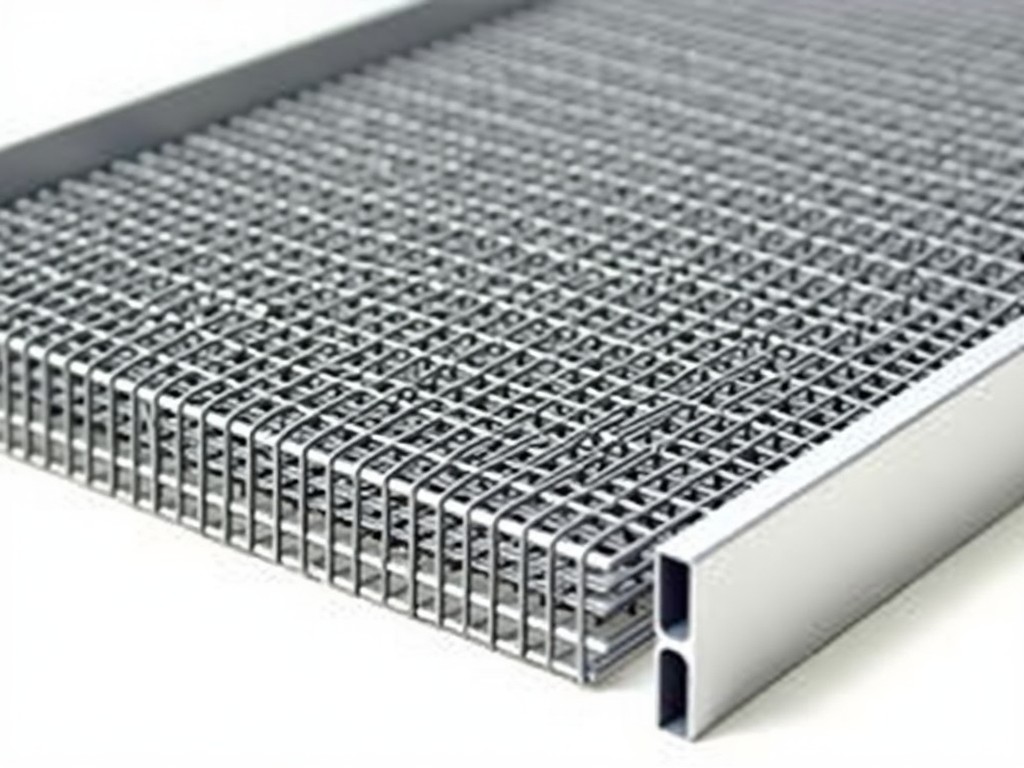
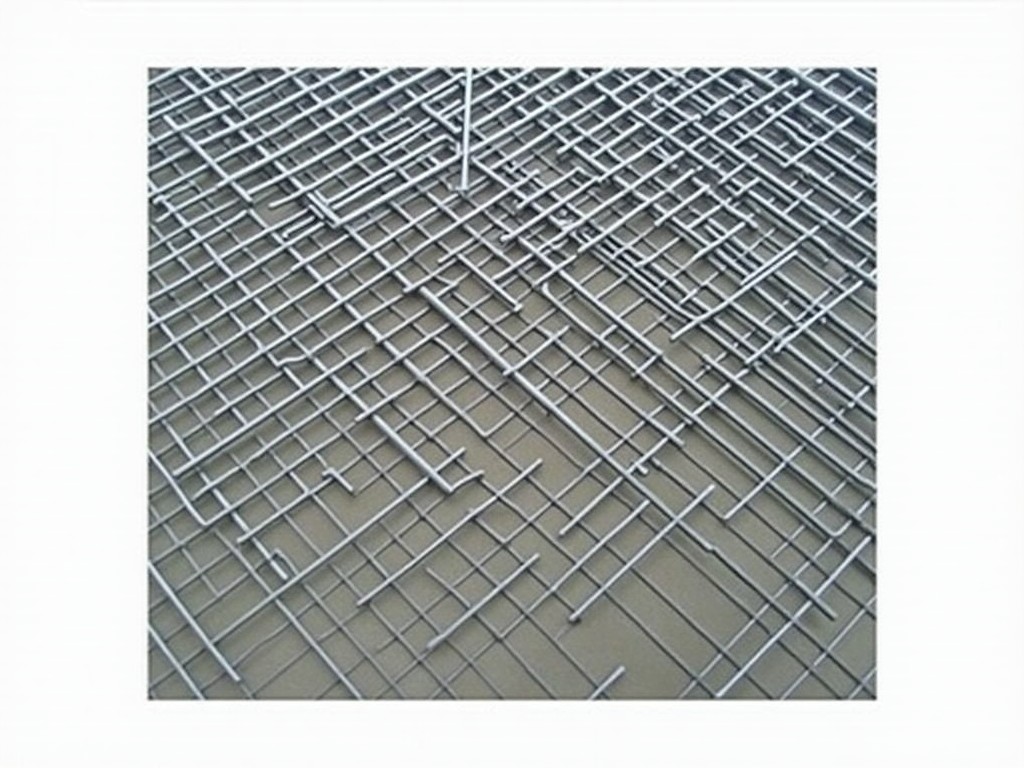
Carbon steel bar grating consists of load-bearing bars welded or forged perpendicular to cross rods, forming a rigid open‑grid panel.
The open area typically ranges from 30% to 45% depending on bar size and spacing, providing drainage, ventilation, and light transmission while maintaining structural continuity.
Exporters that ship directly from the factory eliminate intermediate handling, reducing lead time and ensuring dimensional consistency from mill to destination.
Material and Mechanical Properties
The grating is produced from hot‑rolled carbon steel bars conforming to ASTM A36 or equivalent, with a minimum yield strength of 250 MPa and tensile strength between 400–550 MPa.
Bar thickness typically ranges from 3 mm to 12 mm, and height from 20 mm to 100 mm, allowing designers to select a section that meets specific load and deflection criteria.
| Bar Size (mm) | Height (mm) | Thickness (mm) | Approx. Weight (kg/m²) | Typical Open Area (%) |
|---|---|---|---|---|
| 20×3 | 20 | 3 | 9.5 | 38 |
| 25×3 | 25 | 3 | 11.8 | 35 |
| 30×3 | 30 | 3 | 14.2 | 33 |
| 40×5 | 40 | 5 | 24.6 | 30 |
| 50×6 | 50 | 6 | 35.0 | 28 |
Manufacturing Process
Production begins with cutting carbon steel bars to length, followed by punching or slotting for cross rod insertion.
Cross rods are then positioned and resistance‑welded or forged at each intersection, creating a monolithic grid without mechanical fasteners.
After welding, the panel undergoes stress‑relief heating (if required) and is straightened to ensure flatness within ±2 mm over a 1 m span.
Load-Bearing Capacity and Deflection Characteristics
The load capacity of bar grating is governed by the section modulus of the bearing bars and the spacing between them, allowing uniform load distribution across the panel.
Deflection under a uniformly distributed load can be estimated using standard beam formulas, with typical limits of L/200 for pedestrian traffic and L/100 for light industrial loads, where L is the clear span.
Typical Applications
In petrochemical plants, bar grating provides safe walkways over process equipment while allowing condensate and chemical drips to drain freely, reducing slip hazards.
Power generation facilities use it for turbine hall floors and cable trenches, where the open grid accommodates ventilation and facilitates inspection of buried conduits.
Water treatment plants rely on corrosion‑resistant grades (when galvanized) for sludge dewatering beds, as the open area promotes airflow and prevents solids buildup.
Customization Options
Customers can specify bar height, thickness, center‑to‑center spacing, and panel dimensions to match structural requirements.
Surface treatments include hot‑dip galvanizing, powder coating, or leave‑as‑rolled for environments where subsequent painting is planned.
- Hot‑dip galvanizing for outdoor or corrosive atmospheres
- Powder coating in standard RAL colors for aesthetic or chemical resistance
- Uncoated (as‑rolled) when a primer will be applied on site
Quality Control and Testing
Dimensional inspection verifies bar height, thickness, and panel squareness within ±0.5 mm using calibrated calipers and laser scanners.
Weld quality is assessed by visual inspection per ASTM E165 and, for critical applications, by ultrasonic or magnetic particle testing of a sample frequency.
Load testing is performed on representative samples to confirm that the actual deflection matches calculated values under design loads.
Packaging and Export Logistics
Finished panels are stacked on pallets with protective edge guards and secured with steel straps to prevent movement during transit.
Each pallet is wrapped in stretch film and placed inside a weather‑resistant crate when shipping to humid climates, preserving the coating integrity.
Export documentation includes mill test certificates, packing lists, and fumigation‑free wood packaging to meet ISPM‑15 requirements.
Frequently Asked Questions
Can dimensions be customized?
Yes, bar height, thickness, spacing, and overall panel size are all adjustable according to project drawings.
What information is required before quotation?
Load requirements, clear span, preferred bar size, surface finish, and any applicable standards (ASTM, ISO, EN) help generate an accurate quote.
How is quality inspected?
Inspection includes dimensional checks, weld visual assessment, and optional non‑destructive testing; mill test certificates accompany each shipment.
What packaging methods are available for export?
Standard palletizing with steel straps, stretch film, and optional wooden crates; all packaging complies with ISPM‑15 for international shipment.