Direct Factory Mini Mesh Grating Supplier
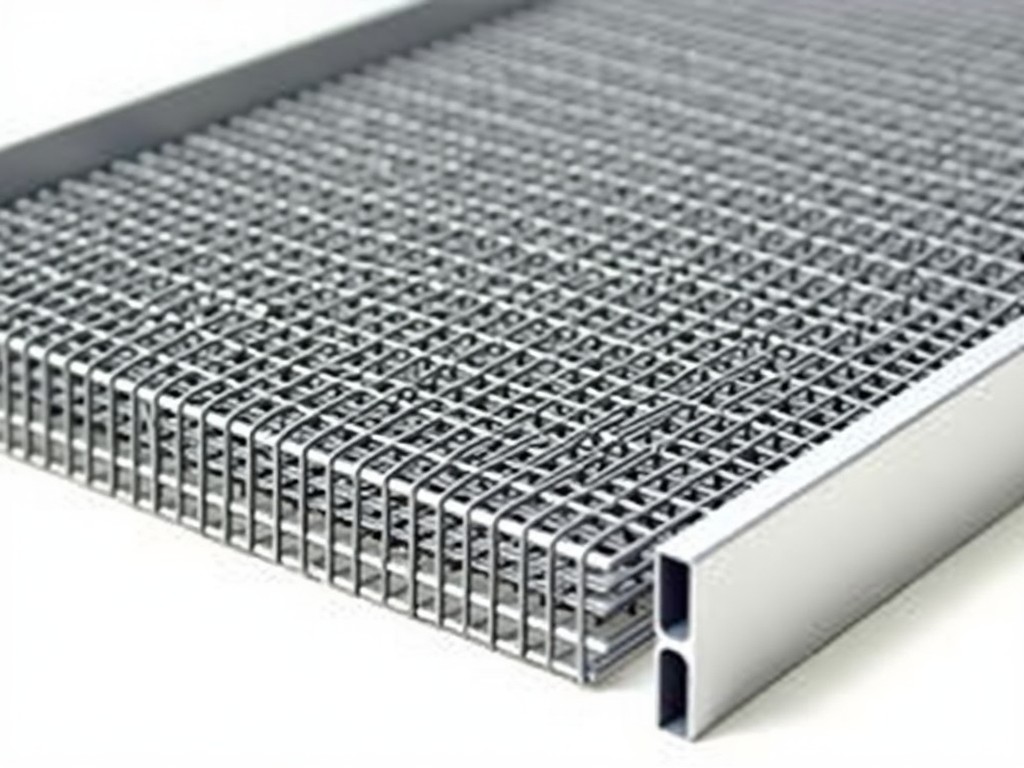
Mini mesh grating consists of a grid of small‑opening bars welded or pressed into a sheet, providing a high‑strength open area while restricting the passage of objects larger than the mesh size. It
Request a QuoteDirect Factory Mini Mesh Grating Supplier
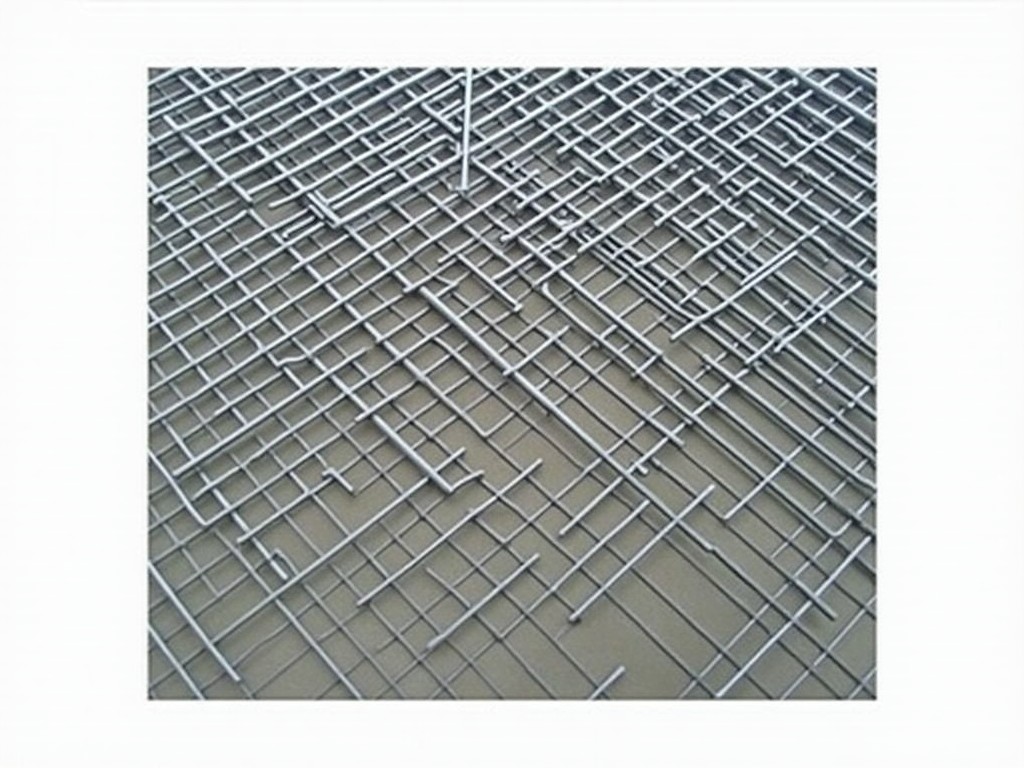
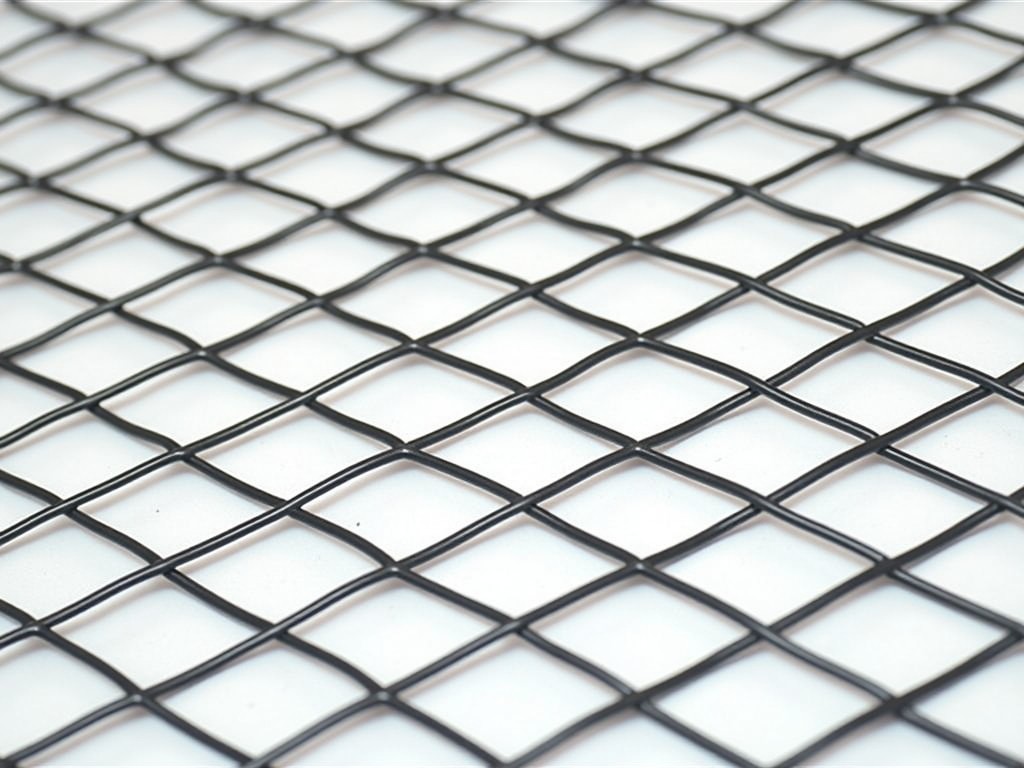
Mini mesh grating consists of a grid of small‑opening bars welded or pressed into a sheet, providing a high‑strength open area while restricting the passage of objects larger than the mesh size. It is commonly used where both structural support and controlled flow or visibility are required.
Material and Construction Options
Typical base materials include carbon steel, stainless steel (grades 304/316), and aluminum alloy. Thickness ranges from 1.5 mm to 4 mm depending on load requirements, and the bars can be round, square, or profiled to affect stiffness and weight.
Key Design Parameters
| Parameter | Typical Range |
|---|---|
| Opening size (clear width) | 2 mm – 12 mm |
| Bar thickness | 1.5 mm – 4 mm |
| Panel width (standard) | 500 mm – 1500 mm |
| Maximum uniform load | Up to 5 kN/m² (depends on material and support spacing) |
Typical Applications and Functional Benefits
The small openings prevent debris or tools from falling through while allowing air, light, or liquid to pass, making the grating suitable for environments where safety and process continuity must coexist.
- Walkway and platform covers in food processing plants where hygiene requires frequent wash‑down.
- Ventilation screens for machinery enclosures that need to block particulate ingress.
- Safety guards around conveyor belts that must retain small parts while permitting visibility.
- Filtration pre‑filters in chemical reactors where a precise cut‑off size protects downstream equipment.
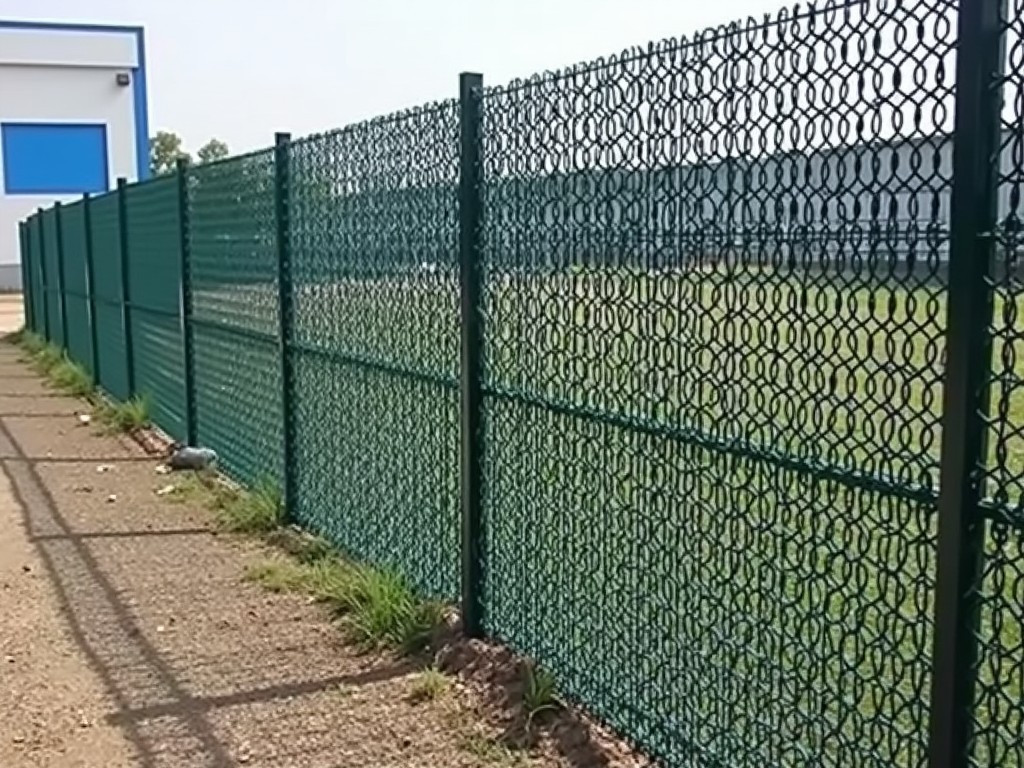
- Architectural façades requiring a decorative yet functional screen.
Customization Logic
Dimensions, opening pattern, and edge treatment are adjusted according to the structural span, expected load, and environmental exposure. Surface finishes such as hot‑dip galvanizing, powder coating, or passivation are selected to match corrosion‑resistance needs.
Quality Control Approach
Each batch undergoes dimensional verification of opening size and bar thickness using calibrated gauges, visual inspection for weld continuity, and mechanical testing of a representative sample to confirm load capacity. Records are retained for traceability.
Frequently Asked Questions
- Can dimensions be customized? Yes, panel size, opening width, and bar profile are produced to customer‑specified drawings.
- What information is needed for a quotation? Required details include material grade, thickness, opening size, overall dimensions, edge treatment, and any required surface finish.
- How is quality inspected? Incoming raw material is checked for certification, in‑process checks verify weld integrity, and final inspection includes dimensional and load testing.
- What packaging methods are available? Panels are stacked with protective interleaving, strapped, and placed in wooden crates or pallets suitable for export.
- What is the typical lead time? Production usually starts within 5‑7 working days after drawing approval, with shipping time dependent on destination.
Next Steps
If you need a technical review of your grating requirements or a formal quote, please reach out to our engineering team.