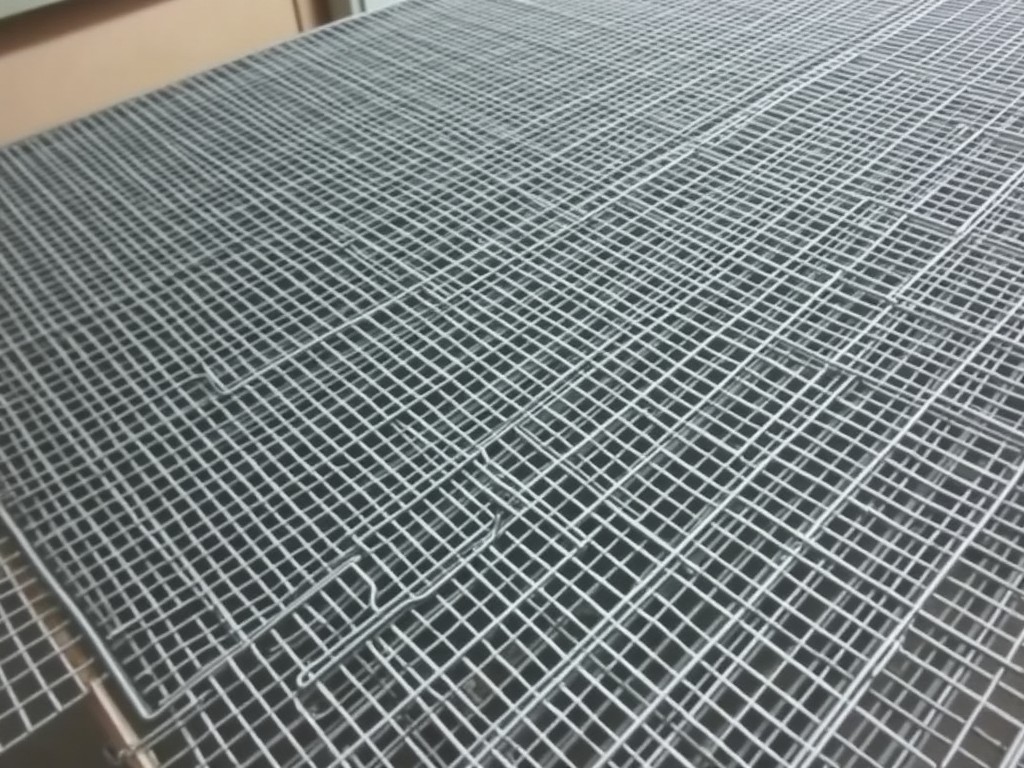
Direct Factory Hot Dip Galvanized Steel Floor Grating Plate
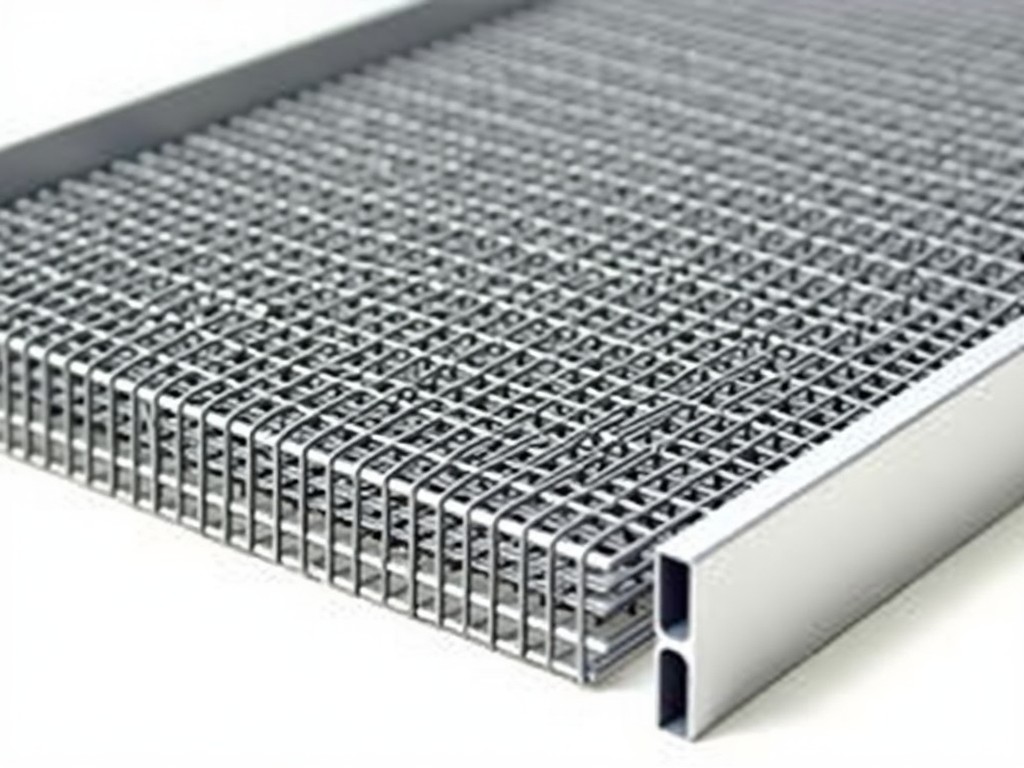
A floor grating plate is a structural panel formed by intersecting load‑bearing bars and cross rods, creating an open‑grid surface that supports weight while allowing liquids, debris, and light to
Request a QuoteDirect Factory Hot Dip Galvanized Steel Floor Grating Plate
A floor grating plate is a structural panel formed by intersecting load‑bearing bars and cross rods, creating an open‑grid surface that supports weight while allowing liquids, debris, and light to pass through. When the steel is hot‑dip galvanized, a metallurgical zinc coating bonds to the base metal, providing long‑term resistance to rust in wet, chemical‑exposed, or outdoor environments.
Material and Galvanizing Process
The base steel is typically a structural grade such as Q235 or S275, chosen for its yield strength and weldability. Bar thicknesses range from 3 mm to 6 mm depending on the required load class, and the bars are either resistance‑welded or pressure‑locked to form a rigid grid. Hot‑dip galvanizing follows ASTM A123 (or EN ISO 1461), immersing the fabricated panel in molten zinc at approximately 450 °C, which creates a zinc‑iron alloy layer topped by a pure zinc coating.
Coating weight is measured in grams per square meter; typical values fall between 60 g/m² and 120 g/m², providing a service life of 20 years or more in moderate corrosivity zones (C3) without maintenance. The process also seals cut edges, reducing the risk of rust initiation at fabrication points.
Technical Specifications
| Parameter | Typical Value | Note / Customization |
|---|---|---|
| Steel grade | Q235, S275, or equivalent | Higher grades available for increased load capacity |
| Bar thickness | 3 mm – 6 mm | Selected based on design load |
| Bar spacing (center‑to‑center) | 20 mm – 40 mm | Affects open area and slip resistance |
| Load capacity (uniform) | 5 kN/m² – 25 kN/m² | Dependent on bar size and spacing |
| Zinc coating weight | 60 g/m² – 120 g/m² | Measured per ASTM A123 |
| Standard panel size | 1000 mm × 2000 mm (custom lengths available) | Width limited by handling equipment |
| Surface pattern | Plain or serrated (anti‑slip) | Serrated increases slip resistance rating |
Design Considerations for Industrial Flooring
The open grid provides inherent drainage, preventing puddling of oils, water, or chemicals that could create slip hazards. Load is transferred through the bearing bars to the supporting structure, so deflection limits are governed by bar moment of inertia and span length. Engineers typically check deflection against L/200 criteria for pedestrian areas and L/150 for heavy‑duty traffic.
Corrosion resistance is a key factor in environments such as marine decks, chemical plants, or wastewater treatment where splashing and condensation are constant. The zinc coating sacrifices itself to protect the steel, and any mechanical damage exposes fresh zinc that continues to protect the underlying metal through galvanic action.
Common Applications
- Petrochemical platforms and refineries – resistance to hydrocarbon splashes and easy cleaning of spills.
- Wastewater treatment facilities – constant exposure to moisture and mild acids; grating allows air flow to aeration tanks.
- Power generation stations – supports heavy equipment while permitting drainage of cooling water and oil.
- Food and beverage processing – non‑porous surface that can be washed down and resists corrosion from cleaning agents.
- Automotive assembly lines – accommodates floor‑mounted conveyors and provides a slip‑resistant walkway for personnel.
Quality Control and Testing
Visual inspection verifies uniformity of the zinc layer, absence of bare spots, and proper weld quality. Coating thickness is measured with a magnetic‑induction gauge at multiple points per panel, ensuring compliance with the specified weight range. Adhesion is checked by a bend test where the specimen is folded over a defined radius; no flaking or cracking indicates adequate bonding.
Mechanical properties of the base steel are validated through mill certificates, and load testing on sample grids confirms that the declared capacity matches real‑world performance. All test records are retained for traceability and can be supplied with the shipment upon request.
Customization Options
- Bar dimensions – thickness, height, and width can be altered to meet specific load or deflection criteria.
- Spacing patterns – custom open‑area ratios for drainage, ventilation, or lightweight requirements.
- Panel dimensions – lengths up to 6000 mm and widths up to 1200 mm, subject to handling limits.
- Load class – selection from light duty (pedestrian) to heavy duty (forklift, vehicle).
- Edge treatment – banding, end plates, or folded edges for easier installation and increased rigidity.
- Surface finish – serrated bars for enhanced slip resistance or smooth for easy cleaning.
Packaging and Shipping
Finished panels are stacked in bundles, separated by corrosion‑protective interleaving paper, and secured with steel strapping. Each bundle is placed on a pallet and stretch‑wrapped to prevent shifting during transit. For overseas shipments, the pallets are fitted with fumigated wooden bases and sealed in weather‑resistant covers to guard against moisture and salt spray.
Typical container loading allows 20‑25 tons per 40‑ft container, depending on panel dimensions. Documentation includes material test reports, coating certificates, and packing lists, facilitating smooth customs clearance.
Frequently Asked Questions
- Can dimensions be customized? Yes, bar size, spacing, and panel length/width are adjusted per project drawings.
- What information is required before quotation? Load requirements, span, environmental exposure, and any special features such as serrated edges or cut‑outs.
- How is coating thickness verified? By magnetic‑induction measurement on each batch, with results included in the inspection dossier.
- What packaging methods protect against corrosion during transport? Interleaving paper, steel strapping, palletizing, and stretch‑wrapping; additional vapor‑corrosion inhibitors can be added on request.
- What is the usual lead time? Typically 3‑4 weeks for standard specifications; custom items depend on tooling and material availability.