Direct Factory Composite Compound Steel Grating Manufacturer
Composite compound steel grating combines a steel load‑bearing framework with a polymer‑filled surface layer to deliver high strength, corrosion resistance, and slip‑resistant traction. The product
Request a QuoteDirect Factory Composite Compound Steel Grating Manufacturer
Overview
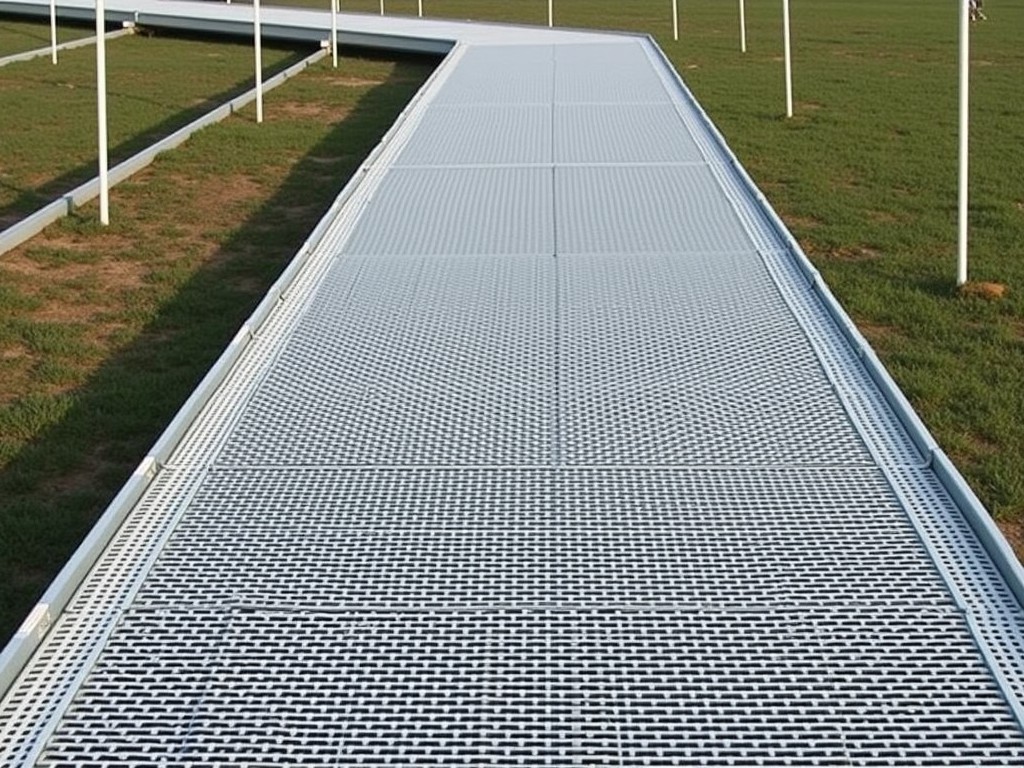
Composite compound steel grating combines a steel load‑bearing framework with a polymer‑filled surface layer to deliver high strength, corrosion resistance, and slip‑resistant traction. The product is fabricated in a single facility that controls raw material selection, forming, and finishing, which reduces variability and lead time compared with multi‑sourced assemblies.
Material Composition and Structure
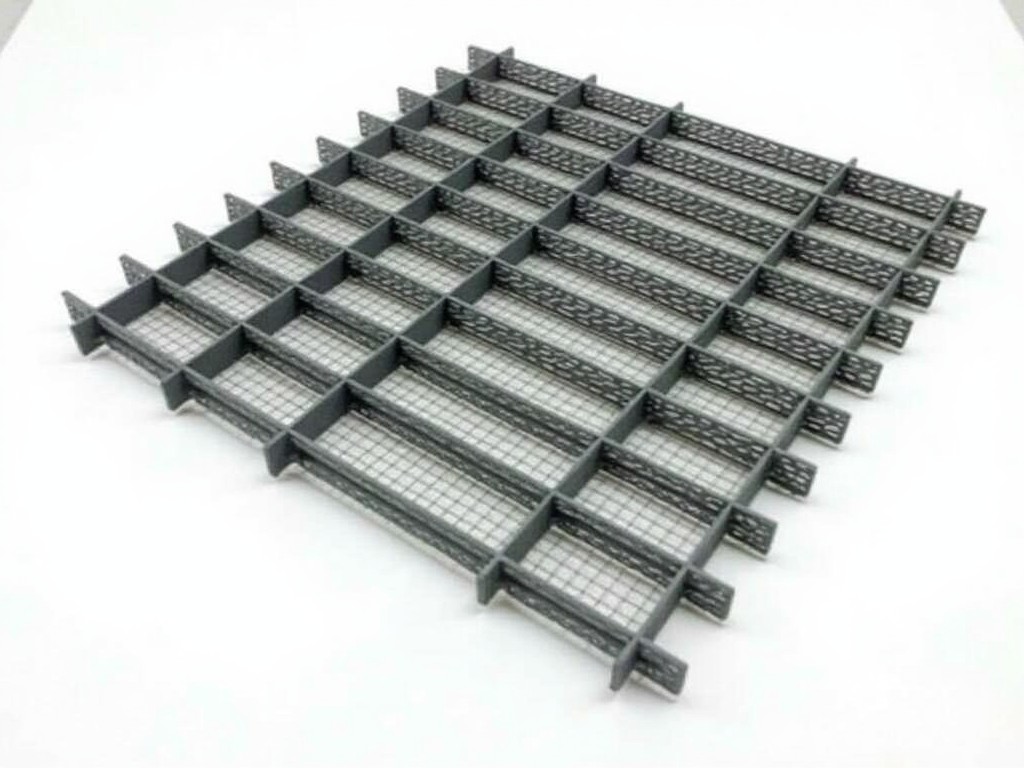
The bearing bars are typically hot‑rolled carbon steel grades such as Q235 or S355, selected for yield strength ranging from 235 MPa to 355 MPa. The cross rods are made from the same steel grade to ensure uniform mechanical properties. A polymer compound, often a polyurethane‑based filler, is applied over the steel matrix and cured to form a continuous wear surface.
Typical surface thickness ranges from 2 mm to 4 mm, providing abrasion resistance while maintaining overall grating weight below 30 kg/m² for standard 30 mm bar spacing. The polymer layer adds a coefficient of friction of approximately 0.6 – 0.8 under dry conditions, meeting common slip‑resistance criteria.
Manufacturing Process
Steel coils are slit to the required bar width, then punched or slotted to create the open area pattern. The bars are resistance‑welded at each intersection to form a rigid grid. After welding, the grating undergoes shot blasting to remove scale and improve adhesion.
The polymer compound is mixed, degassed, and applied via a curtain‑coating or extrusion method, ensuring uniform coverage. Curing occurs in a controlled‑temperature oven at 150 °C – 180 °C for 10 – 15 minutes, after which the product is cooled, inspected, and cut to length.
Technical Specifications
| Property | Typical Value | Unit |
|---|---|---|
| Bar thickness | 3 – 5 | mm |
| Bar spacing (center‑to‑center) | 30 – 40 | mm |
| Open area ratio | 70 % – 80 % | – |
| Surface polymer thickness | 2 – 4 | mm |
| Yield strength of steel | 235 – 355 | MPa |
| Weight per square meter | 20 – 30 | kg/m² |
| Coefficient of friction (dry) | 0.6 – 0.8 | – |
Load‑Bearing Performance
Deflection under uniform load follows the formula δ = (5 w L⁴)/(384 E I) for simply supported bars, where w is load per unit length, L is span, E is modulus of elasticity (~200 GPa for steel), and I is the second moment of area of the bar section. For a 30 mm × 3 mm bar spanning 600 mm, a 5 kN/m² load produces a deflection of approximately 2 mm, well within typical service limits of L/200.
Impact resistance is enhanced by the polymer layer, which absorbs kinetic energy and reduces stress concentration at the weld points. Drop‑test data indicate that a 5 kg mass dropped from 1 meter causes no permanent deformation in standard configurations.
Applications
- Industrial walkways and platforms where chemical spills or oily substances are present, because the polymer surface resists permeation and facilitates cleaning.
- Drainage covers in food‑processing facilities, where the open area allows liquid passage while the slip‑resistant top reduces fall hazards.
- Trench grates in petrochemical plants, where corrosion‑resistant steel grades combined with a protective coating extend service life in saline environments.
- Stair treads in power generation sites, where high load capacity and fire‑retardant polymer additives meet safety regulations.
Quality Control and Testing
Each batch undergoes visual inspection for weld continuity, surface uniformity, and dimensional accuracy. Laser scanning verifies bar spacing and open area ratio within ±2 % tolerance.
Mechanical tests include tensile strength on extracted bar samples, bend tests to assess ductility, and hardness measurements on the polymer layer (Shore A 80 ± 5). Corrosion resistance is evaluated via salt‑spray exposure (ASTM B117) for 500 hours, with acceptable rust rating ≤ 1 % of surface area.
Final product is marked with a batch code that links to raw material certificates and test reports, enabling traceability for audit purposes.
Customization Options
- Bar thickness: 2 mm – 8 mm
- Spacing: 20 mm – 50 mm (center‑to‑center)
- Steel grade: Q235, Q345, S355, or stainless‑steel alternatives
- Polymer type: polyurethane, epoxy‑modified acrylic, or UV‑stabilized variants
- Surface pattern: plain, serrated, or diamond‑groove for enhanced slip resistance
- Edge treatment: flat, rounded, or with integrated lifting lugs
Packaging and Logistics
Grating sections are stacked on pallets with protective corner guards and wrapped in stretch film to prevent shifting during transit. For overseas shipments, the pallets are placed in fumigated wooden crates that meet ISPM 15 standards.
Standard load capacity per pallet is 1 tonne, allowing efficient container utilization. Custom packing arrangements, such as vertical stacking or crate‑free bundles, are available upon request to suit specific handling equipment.
Frequently Asked Questions
Contact for Technical Inquiry
For detailed load calculations, material selection guidance, or to request a formal quotation, reach out to the engineering team using the contact form linked below.
Request Quotation