Custom Retaining Wall Gabion Baskets Manufacturer
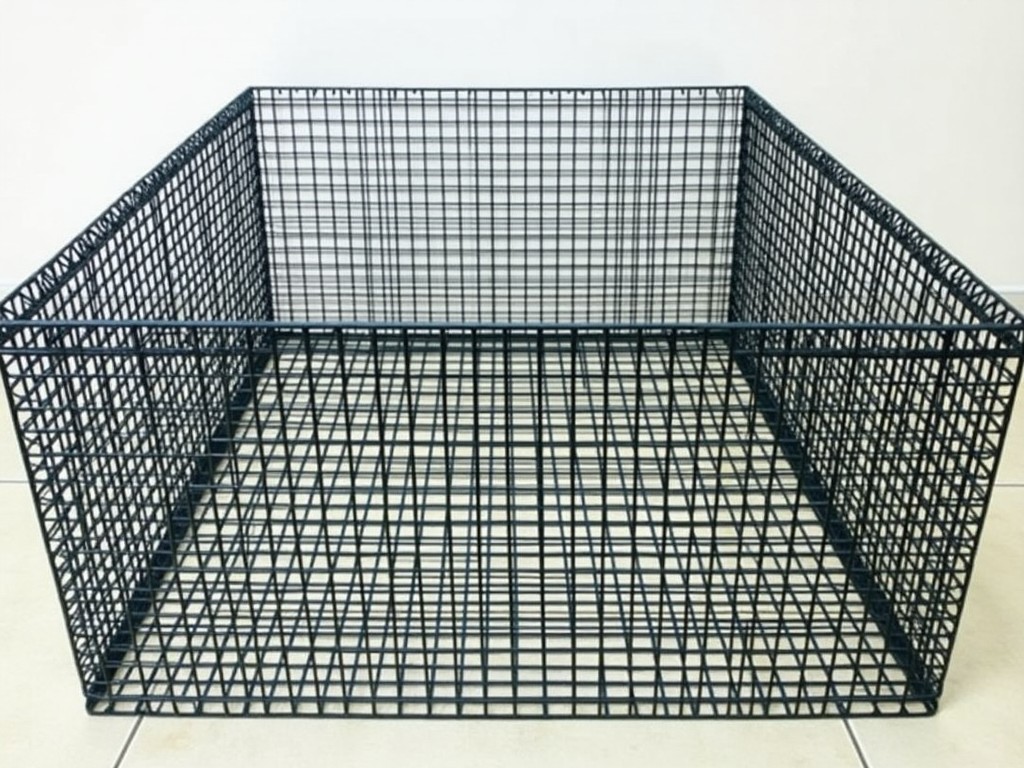
Gabion baskets are modular wire mesh containers filled with stone or recycled concrete that act as gravity retaining structures. Their flexibility allows them to accommodate differential settlement
Request a QuoteCustom Retaining Wall Gabion Baskets Manufacturer
Gabion baskets are modular wire mesh containers filled with stone or recycled concrete that act as gravity retaining structures. Their flexibility allows them to accommodate differential settlement while providing drainage, making them suitable for a range of civil and landscape applications.
Materials and Construction
The primary mesh is fabricated from low‑carbon steel wire, typically 2.0 mm to 4.0 mm diameter, woven into a hexagonal or square pattern. Wire tensile strength generally exceeds 350 MPa, ensuring resistance to deformation under load. Corrosion protection is applied via hot‑dip galvanizing (minimum 60 g/m² zinc coating) or optionally a PVC over‑coat for aggressive environments.
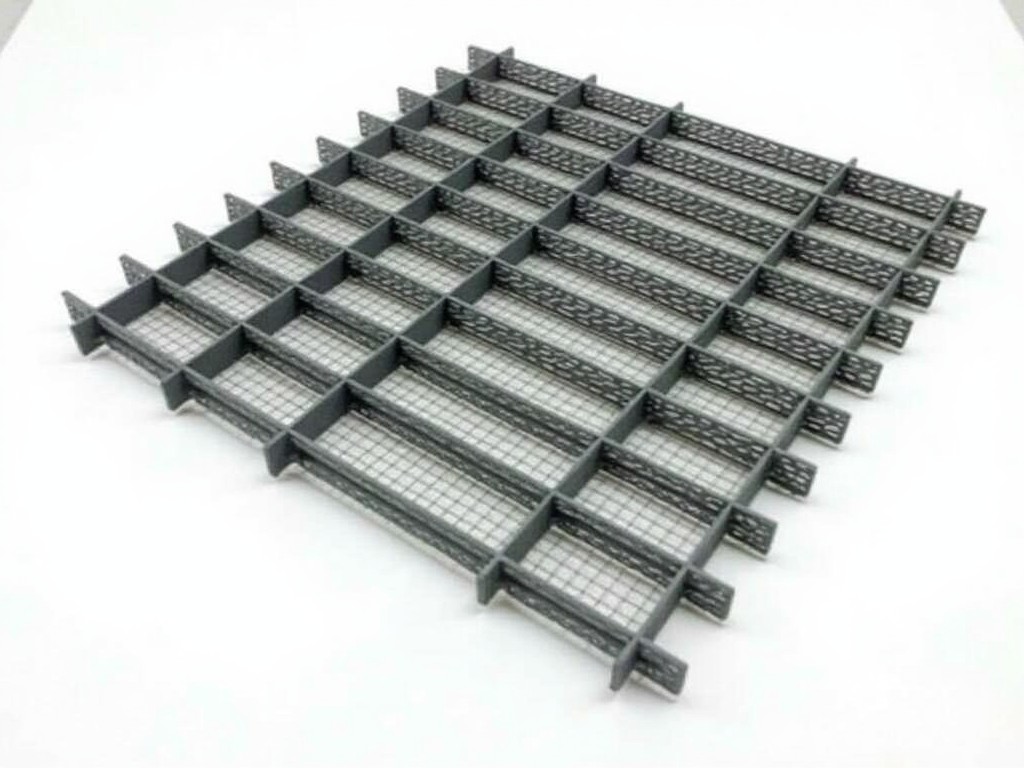
Mesh opening sizes range from 50 mm to 100 mm, selected based on the maximum fill particle size to prevent migration. Baskets are assembled with helical lacing or welded corners, and internal diaphragms can be added at 0.5 m intervals to improve structural integrity for taller walls.
Design Considerations for Retaining Walls
Wall height, backfill material, surcharge loads, and groundwater conditions dictate the required basket thickness and embedment depth. A common design approach uses a 0.5 m thick gabion face with a 0.3 m deep foundation trench filled with compacted gravel to provide lateral support.
Geotextile fabric is placed behind the gabion face to prevent fine soil migration while maintaining drainage. For walls exceeding 3 m, stepped or battered configurations reduce active earth pressure and improve stability.
Hydrostatic pressure is mitigated by incorporating weep holes or drainage pipes at the base, ensuring water does not accumulate behind the structure.
Customization Options
- Overall basket dimensions: length 0.5 m–3.0 m, width 0.5 m–1.0 m, height 0.3 m–1.0 m (custom lengths available).
- Wire diameter: 2.0 mm, 2.5 mm, 3.0 mm, 4.0 mm.
- Mesh type: hexagonal 60 mm, square 50 mm, square 75 mm.
- Coating: galvanized only, galvanized + PVC (black, green, grey), or stainless steel wire for marine exposure.
- Internal diaphragms: spaced at 0.3 m, 0.5 m, or 0.8 m intervals.
- Lid options: open top, hinged lid, or removable mesh cover.
- Lifting lugs or handling straps for site installation.
Applications in Retaining Wall Projects
Gabion walls accommodate ground movement without cracking, making them ideal for seismic zones where rigid concrete walls may fail. Their permeable face reduces hydrostatic pressure, eliminating the need for complex drainage systems in many cases.
Typical uses include highway embankment stabilization, riverbank and shoreline protection, bridge abutment reinforcement, and landscape terracing. In urban settings, the aesthetic of exposed stone fill provides a natural finish that blends with surrounding environment.
Because the baskets are filled with locally sourced stone, material transport costs are minimized, and the structure can be dismantled and reused if project requirements change.
Quality Assurance and Testing
Each batch undergoes visual inspection for uniform coating and proper mesh alignment. Dimensional checks verify that length, width, and height tolerances remain within ±5 mm of specification.
Coating adhesion is measured using a pull‑off test according to ASTM D4541, with a minimum acceptable value of 2.5 MPa for galvanized layers. Wire tensile strength is validated via a tensile tester, ensuring the material meets the declared 350 MPa minimum.
Finished baskets are subjected to a burst pressure test where internal air pressure is increased until failure; acceptable results show no rupture below 1.5 bar, confirming adequate seam strength.
| Parameter | Typical Value | Notes |
|---|---|---|
| Wire Diameter | 2.0 mm – 4.0 mm | Selected based on design load |
| Mesh Opening | 50 mm – 100 mm | Prevents stone migration |
| Zinc Coating | ≥60 g/m² | Hot‑dip galvanizing |
| Tensile Strength (Wire) | ≥350 MPa | ASTM A641 equivalent |
| Basket Height | 0.3 m – 1.0 m (standard) | Custom heights available |
| Coating Adhesion | ≥2.5 MPa | Pull‑off test (ASTM D4541) |
Frequently Asked Questions
- Q: Can the basket dimensions be customized to match specific wall geometries?
A: Yes. Length, width, and height can be tailored in increments of 0.1 m, and internal diaphragms can be positioned according to design requirements. - Q: What information is needed to prepare a quotation?
A: Required details include wall height, backfill type, surcharge loads, preferred wire diameter and coating, and any special features such as lids or lifting lugs. - Q: Which coating options are suitable for marine or de‑icing salt environments?
A: PVC‑over‑galvanized coating or 316‑grade stainless steel wire are recommended for chloride exposure; both provide extended service life beyond plain galvanizing. - Q: How is quality inspected before shipment?
A: Each lot undergoes dimensional verification, coating thickness measurement (magnetic gauge), tensile strength testing of wire samples, and seam strength validation via burst pressure testing. - Q: What packaging methods protect the baskets during transit?
A: Baskets are stacked on pallets, separated by corrugated cardboard layers, and secured with stretch film. For export, pallets are placed in sturdy wooden crates with moisture‑barrier lining.
Get a Technical Quote
To discuss your retaining wall requirements and receive a detailed specification sheet, please contact our engineering team. We will review your project data, suggest optimal gabion configurations, and provide a lead time based on current capacity.