Custom Expanded Metal Catwalk Grating Supplier
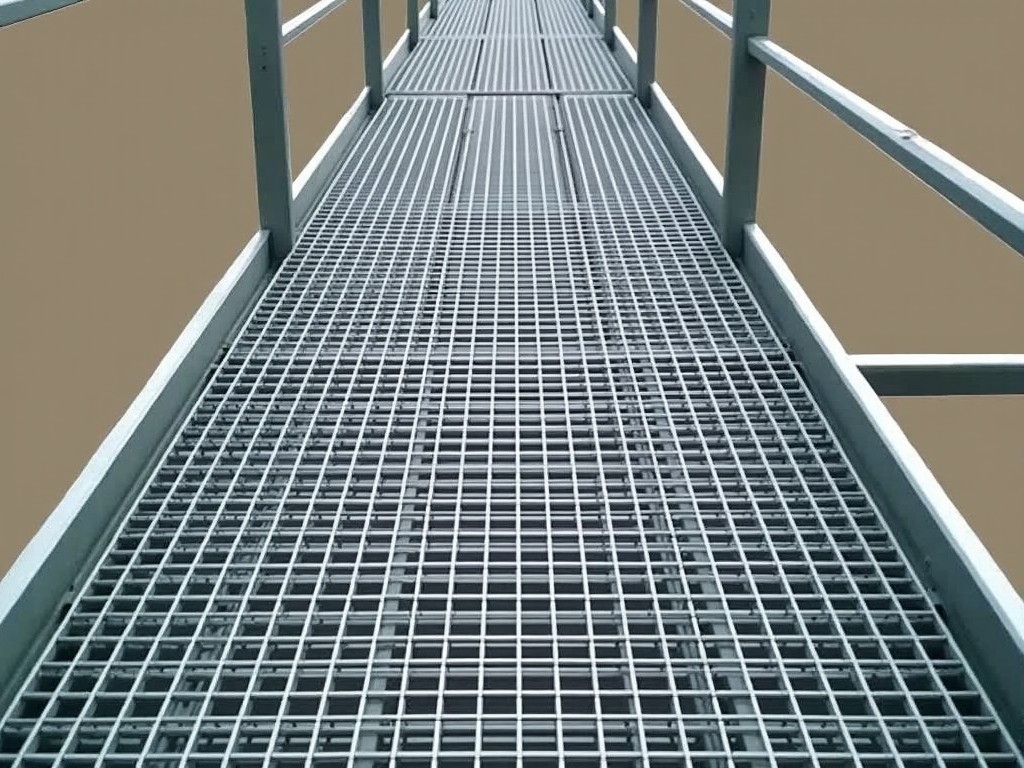
Expanded metal catwalk grating provides a slip-resistant, load-bearing surface for elevated walkways in industrial facilities. It is produced by simultaneously slitting and stretching a metal sheet,
Request a QuoteCustom Expanded Metal Catwalk Grating Supplier
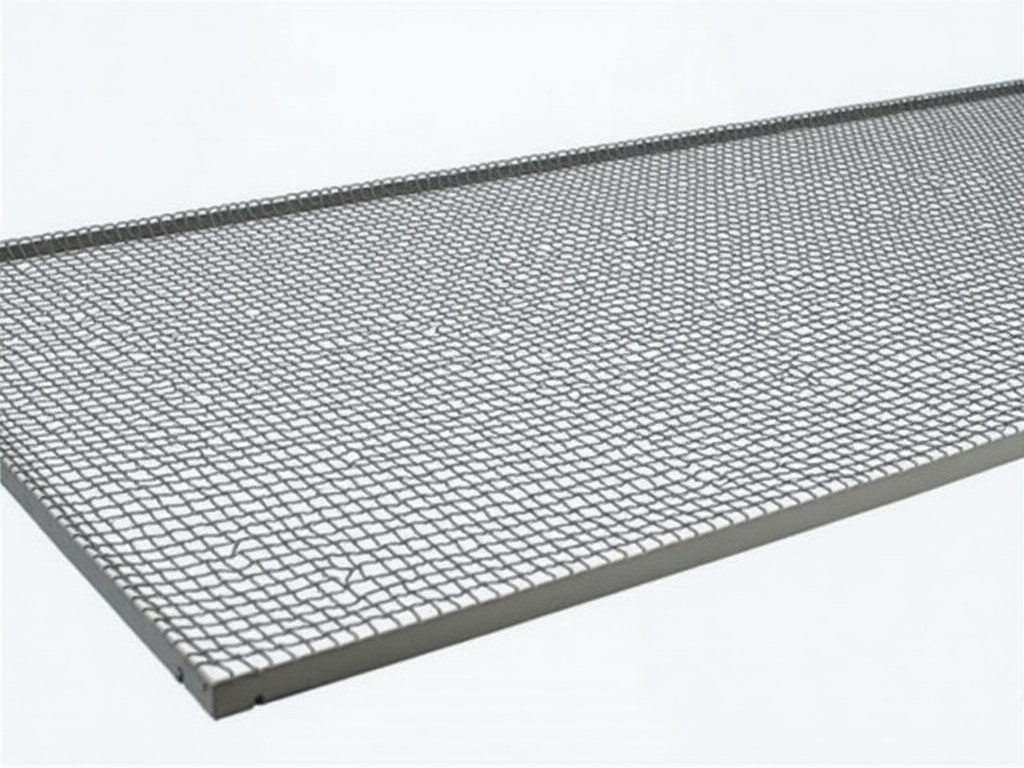
Expanded metal catwalk grating provides a slip-resistant, load-bearing surface for elevated walkways in industrial facilities. It is produced by simultaneously slitting and stretching a metal sheet, forming a pattern of diamond-shaped openings that retain structural strength while reducing weight. Suppliers adapt the geometry, material grade, and finish to align with project‑specific demands such as load capacity, corrosive exposure, and maintenance access.
Applications
Facilities choose expanded metal grating for walkways because it combines a favorable strength‑to‑weight ratio with effective drainage and ventilation. The open area prevents accumulation of liquids, debris, or gases, enhancing safety in environments where spills or vapors are common.
- Petrochemical plants – catwalks over reactors, distillation columns, and piping racks where chemical resistance and slip resistance are required.
- Power generation – access platforms around boilers, turbines, and cooling towers requiring fire‑rating and minimal maintenance.
- Water and wastewater treatment – walkways above clarifiers, aeration basins, and chemical dosing zones where corrosion resistance to chlorides and sulfides is required.
- Food and beverage processing – elevated corridors needing frequent wash‑downs and a surface that does not trap particulates.
- Mineral processing – walkways over conveyors and crushers where impact resistance and easy cleaning improve uptime.
Material Options
The base metal determines weight, corrosion behavior, and compatibility with adjoining structures. Common choices include carbon steel for cost‑sensitive applications, stainless steel for aggressive environments, and aluminum where weight reduction is important.
| Material | Typical Thickness Range (mm) | Approx. Weight (kg/m²) | Corrosion Behavior |
|---|---|---|---|
| Carbon Steel (Q235) | 2.0 – 4.0 | 8.0 – 12.0 | Requires coating (e.g., galvanizing or paint) to achieve adequate corrosion resistance in most environments. |
| Stainless Steel (304/316) | 1.5 – 3.0 | 6.0 – 9.0 | Forms a passive chromium oxide layer that resists corrosion in chloride and acidic environments. |
| Aluminum Alloy (6063) | 2.0 – 3.5 | 2.5 – 4.0 | Develops a natural oxide film that provides resistance to atmospheric corrosion. |
Customization Choices
Designers tailor the opening geometry and strand dimensions to achieve the required load rating, open area percentage, and aesthetic preferences. Adjustments are made during the expanding process, allowing precise control over each parameter.
- Aperture size (opening width) – typically 10 mm to 50 mm, influencing slip resistance and debris passage.
- Strand width – the metal thickness of each diamond edge, usually 1.5 mm to 4 mm.
- Strand thickness (height of the expanded rib) – ranges from 1.0 mm to 3.0 mm, affecting panel stiffness.
- Overall panel dimensions – standard widths 600 mm to 1200 mm, lengths up to 6000 mm, with custom cuts available.
- Edge treatment – flattened, raised, or welded edges to facilitate fastening and eliminate sharp protrusions.
- Surface finish – mill finish, hot‑dip galvanizing, powder coating, or anodizing (for aluminum) to meet environmental and aesthetic criteria.
Design Considerations
Load calculations begin with the intended live load (personnel, equipment) and any anticipated impact loads, which are compared against the grating’s rated capacity based on strand geometry and material grade. Deflection limits are typically set to L/200 for serviceability, ensuring the walkway remains firm under load.
Slip resistance is quantified by the coefficient of friction; expanded metal inherently provides a rough surface, and additional treatments such as serrated strands or applied abrasive coatings can raise the value above 0.6 for wet conditions.
Installation methods include bolt‑down with stainless steel fasteners, welded connections to structural steel, or proprietary clip systems that allow rapid removal for maintenance. The chosen method influences edge treatment and required corrosion protection at connection points.
Quality Control
Suppliers implement a multi‑stage inspection regimen to verify that each batch meets the agreed specifications before shipment. This approach reduces the risk of non‑conforming parts reaching the installation site.
- Visual inspection for surface defects, strand uniformity, and edge integrity.
- Dimensional verification of aperture size, strand width, thickness, and panel squareness using calibrated gauges.
- Material test certificates (MTC) confirming alloy composition and mechanical properties.
- Load testing on a sample panel to confirm ultimate strength and deflection characteristics.
- Adhesion test for coated finishes (e.g., galvanizing or powder coat) to ensure coating thickness and bond strength meet standards.
Frequently Asked Questions
| Question | Answer |
|---|---|
| Can dimensions be customized to fit existing structural openings? | Yes. Panel width, length, and edge treatment are adjusted per project drawings; custom shapes such as tapered or notched panels are also feasible. |
| What information is required before a quotation can be issued? | Load requirements (live and impact), span length, preferred material, desired open area, finish, and any applicable standards (e.g., ASTM, ISO) should be provided. |
| Which materials are available for corrosive environments? | Stainless steel grades 304 and 316, aluminum alloys, and coated carbon steel (galvanized or epoxy) are standard options; specialty alloys such as duplex stainless are available upon request. |
| How is quality inspected before shipment? | Each lot undergoes visual, dimensional, material certification, and, if requested, mechanical testing; inspection reports accompany the shipment. |
| What packaging methods protect the grating during transit? | Panels are stacked on pallets with edge protectors, wrapped in stretch film, and secured with steel straps; for overseas shipments, moisture‑barrier liners and fumigated wood pallets are used. |
| What is the typical production lead time? | Lead time ranges from 2 to 4 weeks depending on material availability, customization complexity, and order volume; expedited schedules can be arranged for time‑sensitive projects. |
Get Started
Share your project specifications with our engineering team to receive a detailed proposal and lead‑time estimate.
Request a Quote