Custom Architectural Metal Bridge Grating Supplier
We supply metal bridge grating fabricated to project‑specific dimensions, load requirements, and architectural finishes for pedestrian and vehicular bridges. Bridge grating serves as the walking or
Request a QuoteCustom Architectural Metal Bridge Grating Supplier
We supply metal bridge grating fabricated to project‑specific dimensions, load requirements, and architectural finishes for pedestrian and vehicular bridges.
Overview
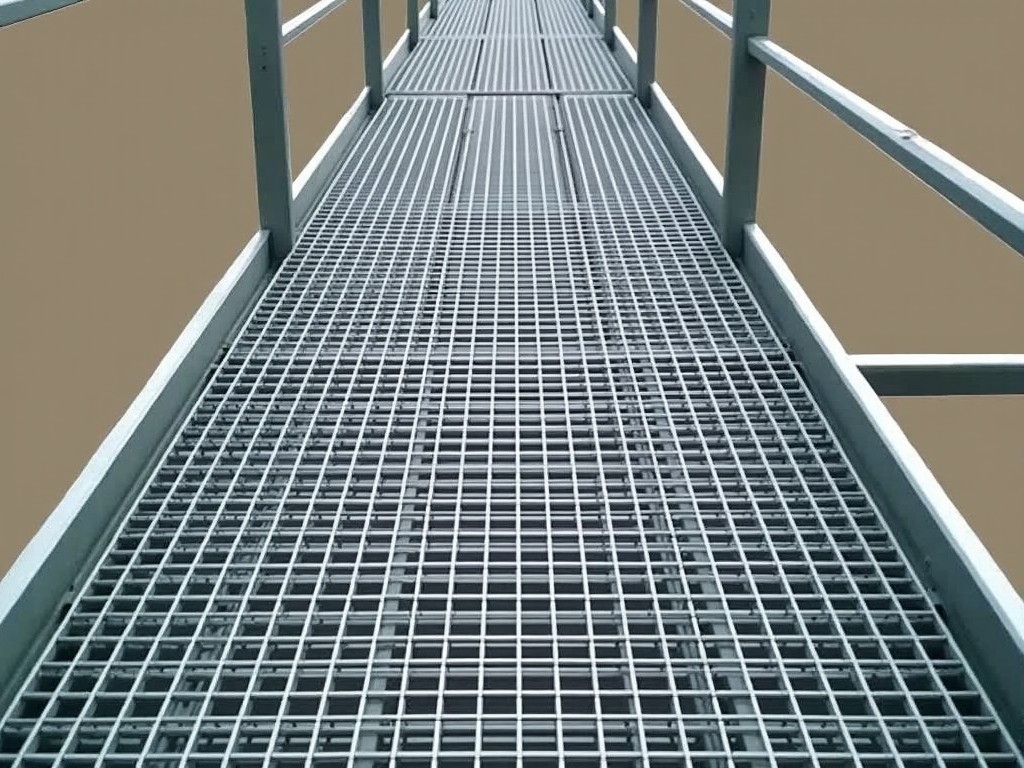
Bridge grating serves as the walking or driving surface while providing drainage, slip resistance, and structural stiffness. Our gratings are manufactured from steel, stainless steel, or aluminum alloys and are engineered to meet AASHTO, ASTM, or Eurocode standards as required by the project.
Material Selection
The choice of material influences weight, corrosion resistance, and fatigue life. Typical options are:
| Material | Typical Tensile Strength (MPa) | Density (g/cm³) | Corrosion Resistance |
|---|---|---|---|
| Hot‑rolled carbon steel (ASTM A36) | 400‑550 | 7.85 | Requires protective coating (galvanizing or paint) |
| Stainless steel (ASTM A240 Type 304) | 520‑720 | 8.00 | Excellent resistance to atmospheric and chloride exposure |
| Aluminum alloy (AA6061‑T6) | 240‑310 | 2.70 | Natural oxide layer provides good corrosion resistance; suitable for low‑load applications |
Design and Engineering
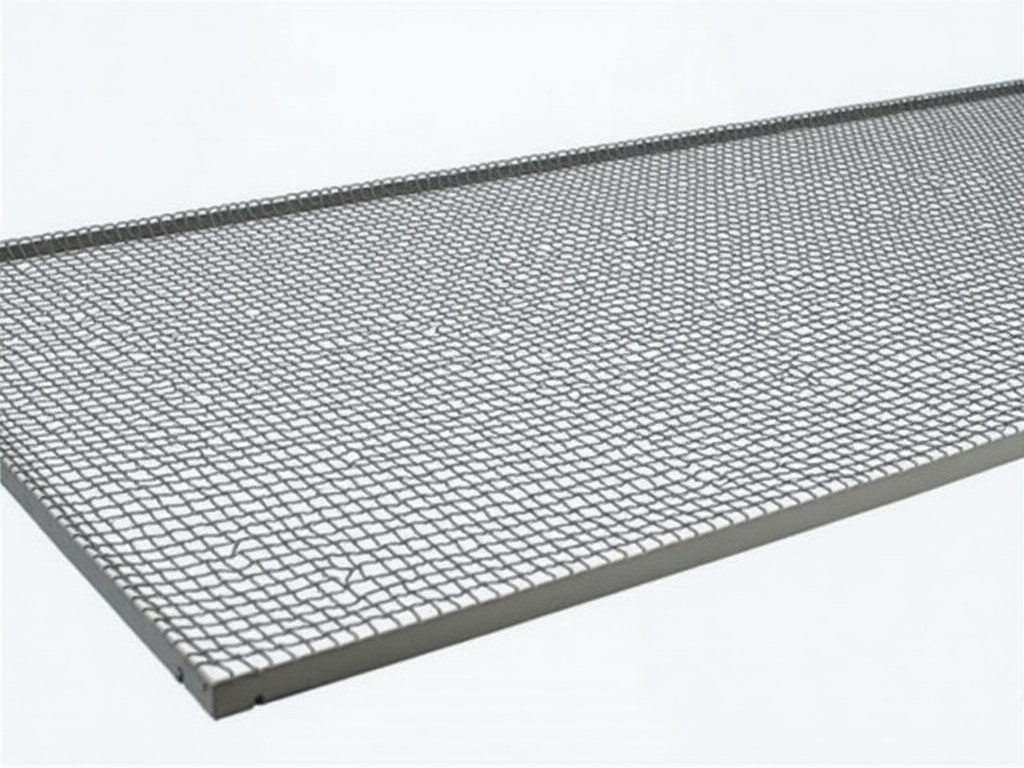
Each grating is designed as a series of bearing bars and cross rods (or perforated plate) spaced to achieve the required open area for drainage while maintaining stiffness. The bearing bar depth, thickness, and spacing are calculated based on the design load, span, and deflection limits (typically L/800 for pedestrian traffic).
Load Capacity and Performance
Load ratings depend on bar size, spacing, and material. The table below shows typical uniform load capacities for a simply supported grating with a 1.2 m span.
| Bearing Bar Size (mm) | Center‑to‑Center Spacing (mm) | Material | Uniform Load Capacity (kN/m²) | Maximum Deflection (mm) at Capacity |
|---|---|---|---|---|
| 32 × 3 | 30 | Carbon steel | 12.5 | 4.8 |
| 32 × 3 | 30 | Stainless steel | 13.0 | 4.6 |
| 25 × 2 | 40 | Aluminum | 5.2 | 6.1 |
Customization Options
We tailor grating to the architectural and structural needs of each bridge. Customization includes:
- Bearing bar depth from 20 mm to 75 mm
- Bar thickness from 2 mm to 12 mm
- Center‑to‑center spacing from 20 mm to 100 mm
- Surface finishes: mill finish, hot‑dip galvanizing, powder coating (RAL colors), or anodizing for aluminum
- Edge treatments: welded end plates, stair nosing, or integral curb angles
- Open area percentages ranging from 30 % to 70 % for drainage and aesthetics
Applications
Architectural bridge grating is selected when the walking surface must contribute to the visual language of the structure while providing safety and durability. Typical uses include:
- Pedestrian walkways on cable‑stayed or arch bridges where slip resistance and drainage are critical
- Historic bridge rehabilitations requiring matching aesthetic profiles and lightweight alternatives
- Vehicle‑rated bridge decks on low‑speed service roads where lightweight grating reduces dead load
- Park‑and‑ride or transit platform connections requiring corrosion‑resistant finishes in coastal environments
Quality Control
Our inspection program verifies dimensional accuracy, weld integrity, and coating compliance before shipment. Key checkpoints are:
- Bearing bar height and thickness tolerance ±0.2 mm
- Cross rod or perforated plate alignment tolerance ±0.5 mm
- Weld penetration ≥ 90 % of bar thickness for steel gratings
- Galvanizing coating thickness ≥ 55 µm (ASTM A123) or powder coat film thickness ≥ 60 µm
- Flatness deviation < 3 mm over a 1 m length
Lead Time and Production
Standard lead time for fabricated grating is 4–6 weeks after approval of shop drawings, depending on material availability and complexity of finishes. Expedited schedules are available for projects with critical path constraints.
Packaging and Shipping
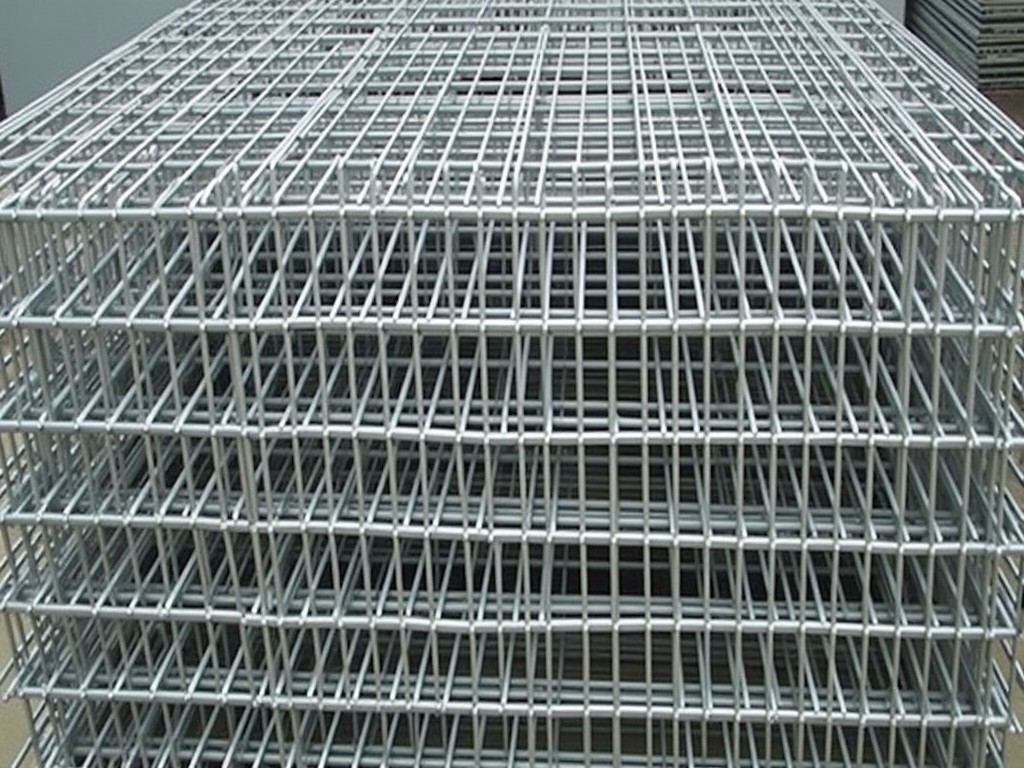
Gratings are bundled in steel‑banded pallets with protective edge guards and waterproof shrink wrap. Each pallet is marked with part number, heat number, and destination. For export, we provide fumigated wooden crates and corrosion‑inhibitor VCI bags as required.
Frequently Asked Questions
Can dimensions be customized?
Yes. Bearing bar size, spacing, overall panel length, and width are all tailored to the project’s structural and architectural drawings.
What information is required before quotation?
We need the design load (pedestrian or vehicular), span, desired open area, material preference, finish type, and any applicable standards (AASHTO, ASTM, Eurocode).
What materials are available?
Hot‑rolled carbon steel, stainless steel (Types 304/316), and aluminum alloys (AA6061‑T6, AA5052) are standard; other alloys are available upon request.
How is quality inspected?
Inspection includes dimensional checks, weld penetration testing, coating thickness measurement, and flatness verification per the checklist above.
What packaging methods are available?
Standard palletizing with shrink wrap, optional wooden crates, and VCI corrosion protection for overseas shipments.
How are export shipments protected?
Export loads are placed in fumigated crates, wrapped with VCI film, and secured with steel straps to prevent movement and corrosion during transit.
What is the typical production lead time?
Four to six weeks after drawing approval; expedited options can reduce this to two weeks for simple carbon‑steel gratings.
How are samples arranged?
We can provide a 300 mm × 300 mm sample panel in the selected material and finish; shipping charges apply.
Get a Quote
To discuss your bridge grating requirements, please provide project details and we will return a formal quotation.
Request a Quote