Custom 19W4 Serrated Steel Bar Grating Dimensions Supplier
19w4 serrated steel bar grating consists of bearing bars with a nominal width of 19 mm and a thickness of 4 mm, featuring a serrated top surface that enhances slip resistance while maintaining open
Request a QuoteCustom 19w4 Serrated Steel Bar Grating Dimensions Supplier
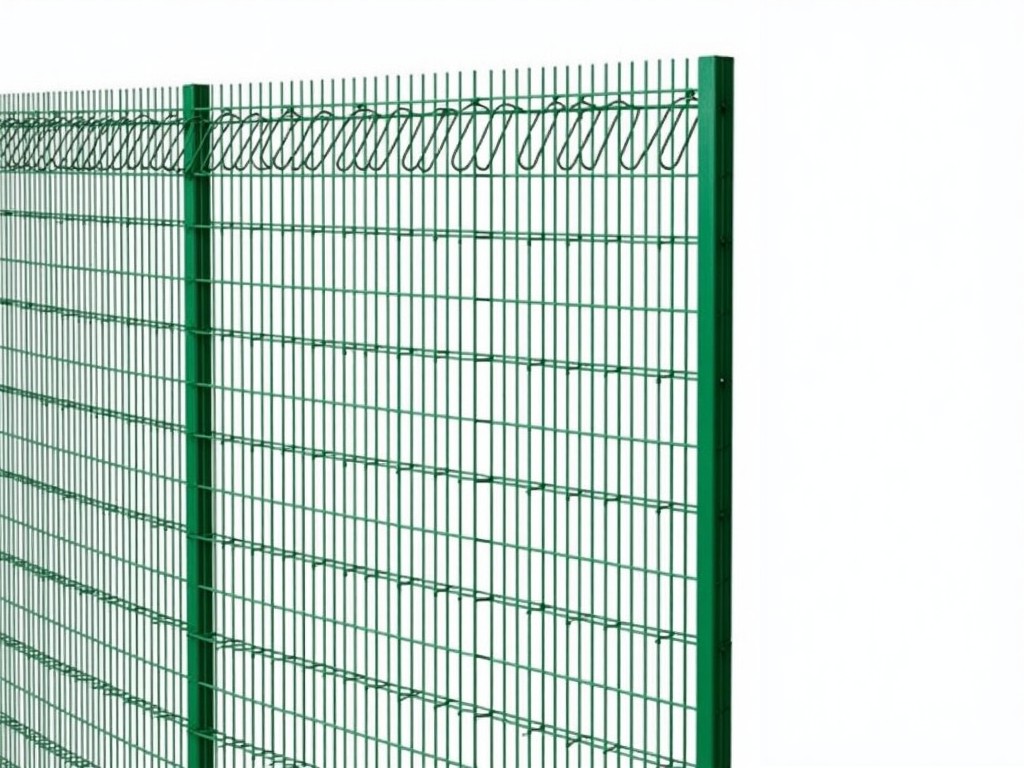
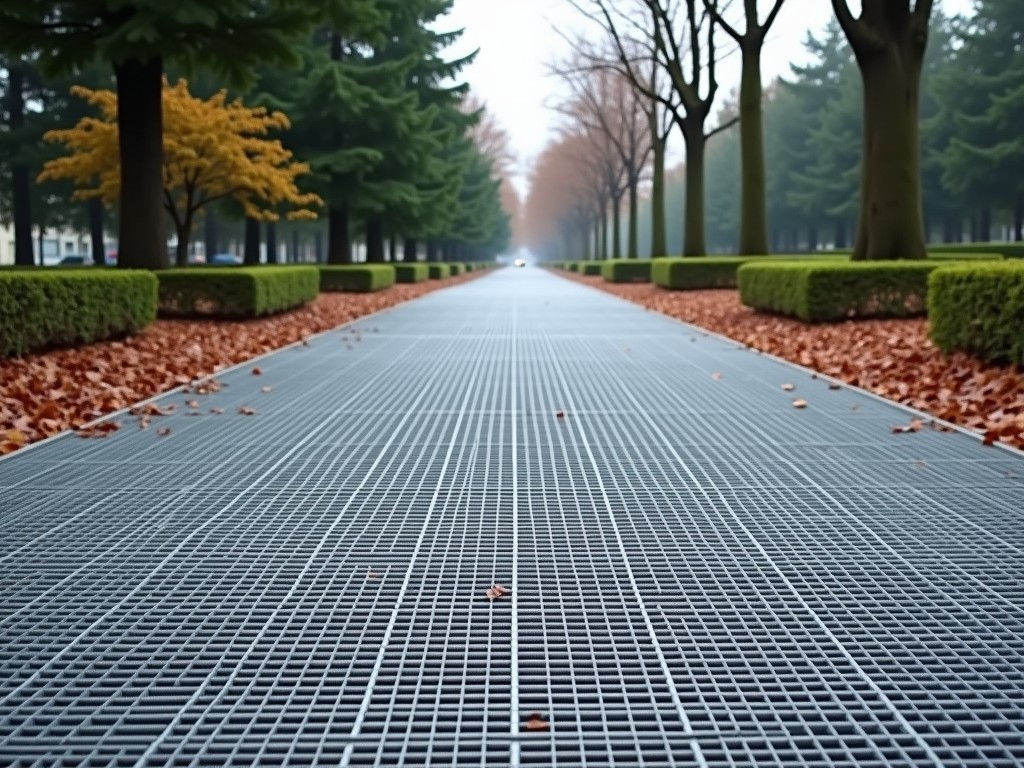
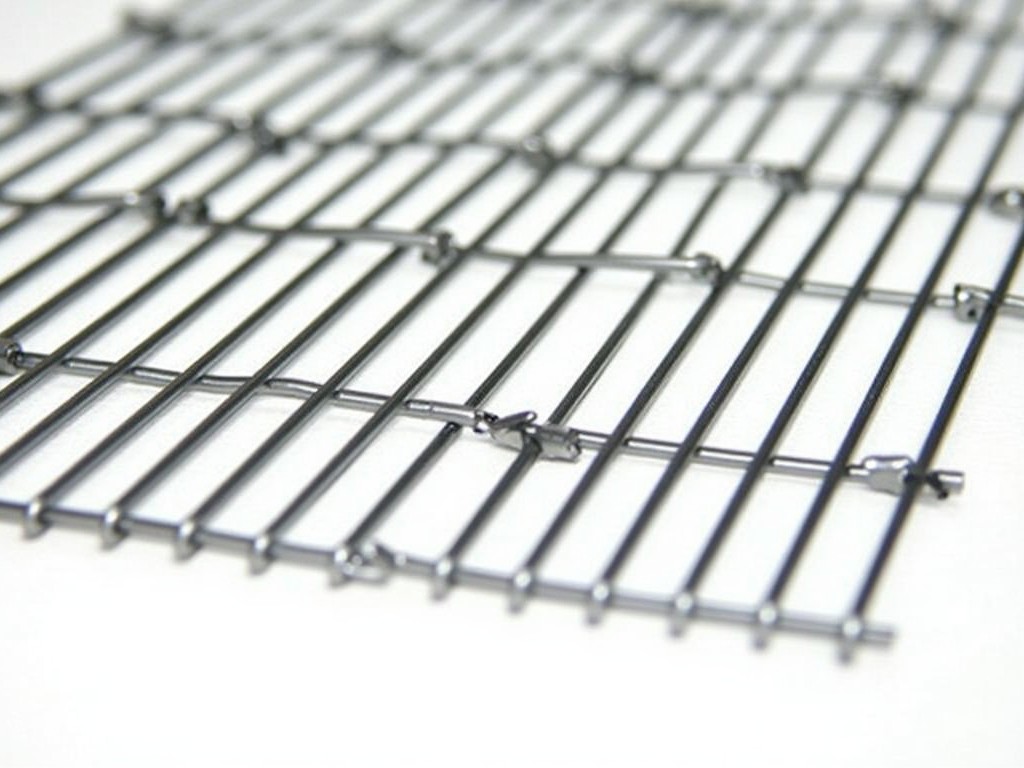
19w4 serrated steel bar grating consists of bearing bars with a nominal width of 19 mm and a thickness of 4 mm, featuring a serrated top surface that enhances slip resistance while maintaining open area for drainage, ventilation, and light passage. The bearing bars are joined to perpendicular cross rods by press‑locking, welding, or swaging, creating a rigid, load‑bearing panel suited for flooring, stair treads, walkways, and platforms where both strength and safety are critical.
Product Overview
The grating’s open area typically ranges from 70 % to 85 % depending on bar spacing, providing efficient runoff of liquids and debris while supporting uniform loads. The serrated profile is formed by offsetting the bearing bar edges during rolling, creating a consistent, abrasion‑resistant surface without additional coating.
Key Dimensions and Customization Options
Dimensions are tailored to project requirements, allowing engineers to optimize strength, weight, and installation logistics.
- Panel width: 300 mm to 1200 mm (standard increments of 50 mm); wider panels available upon request.
- Panel length: limited by handling and transport, typically up to 6000 mm; longer lengths fabricated in multiple sections with splice plates.
- Bearing bar center‑to‑center spacing: 30 mm, 40 mm, 50 mm, 60 mm (custom spacing possible).
- Cross rod spacing: 76 mm, 100 mm, 150 mm (standard); other pitches available.
- Overall thickness (bearing bar + cross rod): approximately 20 mm to 35 mm depending on bar size and cross rod diameter.
Material Selection and Finishes
Base materials are chosen according to environmental exposure, load demands, and corrosion resistance needs.
- Hot‑rolled carbon steel (ASTM A36 or equivalent) – suitable for indoor or mildly corrosive environments.
- Hot‑dip galvanized carbon steel (minimum zinc coating 610 g/m²) – provides corrosion protection for outdoor and industrial settings.
- Stainless steel grades 304 and 316 – selected for high chloride or chemical exposure; maintains serrated surface integrity.
- Optional finishes: powder coating (various RAL colors), epoxy paint, or anti‑static coating for specialized applications.
Load Performance and Deflection Characteristics
Load capacity varies with bearing bar spacing, span, and material grade. The table below shows typical uniform load values for carbon steel grating with a 4 mm thick bearing bar; actual values are confirmed via project‑specific calculations.
| Span (mm) | Bar Spacing (mm) | Typical Uniform Load (kN/m²) | Deflection at Load (mm) |
|---|---|---|---|
| 600 | 30 | 5.0 | 2.1 |
| 600 | 40 | 3.8 | 2.8 |
| 900 | 30 | 2.2 | 4.5 |
| 900 | 50 | 1.4 | 6.2 |
| 1200 | 30 | 1.2 | 8.0 |
Values are illustrative; final design limits are determined by verifying against applicable standards (e.g., ANSI/NAAMM MBG 531, ASTM F1267) and applying appropriate safety factors.
Applications and Installation Considerations
The combination of high strength‑to‑weight ratio, open area, and slip‑resistant surface makes 19w4 serrated grating ideal for environments where drainage, ventilation, and safety are paramount.
- Industrial plants: mezzanine floors, equipment platforms, and walkways where oil, chemicals, or water may be present.
- Marine and offshore: decking on docks, shipyards, and oil rigs requiring corrosion‑resistant grating with self‑cleaning properties.
- Water treatment: tank covers, trench covers, and filter beds where debris must be filtered while maintaining flow.
- Transportation: railway station platforms, airport walkways, and pedestrian bridges needing lightweight yet durable surfacing.
Installation typically involves bolting or welding to supporting frames; expansion gaps of 6 mm to 10 mm are recommended to accommodate thermal movement. Grating panels can be supplied with pre‑drilled mounting holes or with integrated fastening brackets per project specifications.
Quality Control and Testing
Manufacturing adheres to recognized industry standards to ensure dimensional accuracy, mechanical performance, and surface integrity.
- Dimensional inspection: bearing bar width, thickness, and spacing verified to ±0.5 mm tolerances using calibrated gauges.
- Surface inspection: serration profile checked for uniformity and absence of burrs that could affect slip resistance.
- Mechanical testing: representative samples subjected to uniform load tests to confirm load‑deflection behavior matches design calculations.
- Corrosion protection verification: galvanized coating thickness measured per ASTM A123; stainless steel passivation verified via ferroxyl testing.
- Final product marking: each bundle tagged with heat number, material grade, and panel dimensions for traceability.
Frequently Asked Questions
Can dimensions be customized beyond standard ranges?
Yes. Panel width, length, bar spacing, and cross rod pitch can be tailored to project constraints. Extremely wide or long panels may require additional support frames or splice plates, which we can engineer as part of the supply package.
What information is required before a quotation?
To provide an accurate quote we need: intended span and load conditions, preferred material (carbon steel, galvanized, stainless), desired bar and cross rod spacing, panel dimensions, finish (galvanizing, powder coat, etc.), and any special features such as pre‑drilled holes or integrated fasteners.
How is quality inspected before shipment?
Each production lot undergoes dimensional verification, visual surface inspection, and mechanical load testing on sample panels. Galvanized coatings are measured for thickness, and stainless steel panels are checked for passivation. Documentation of these inspections is supplied with the shipment.
What packaging methods are available for export?
Panels are bundled with steel straps, placed on pallets, and covered with water‑resistant shrink wrap or corrugated protective sheets. For long‑haul shipments, we can provide fumigated wooden crates or container‑ready frames upon request.
What is the typical production lead time?
Lead time depends on material availability and complexity of customization. Standard carbon steel grating with common dimensions usually ships within 3‑4 weeks after drawing approval. Stainless steel or special finishes may extend lead time to 5‑6 weeks.
Get a Custom Quote
Our engineering team is ready to review your project specifications and provide a detailed quotation, including load calculations, material recommendations, and delivery logistics. To begin, please share your design requirements via the contact form below.
Request Quote