China Safety Mesh For Construction Supplier
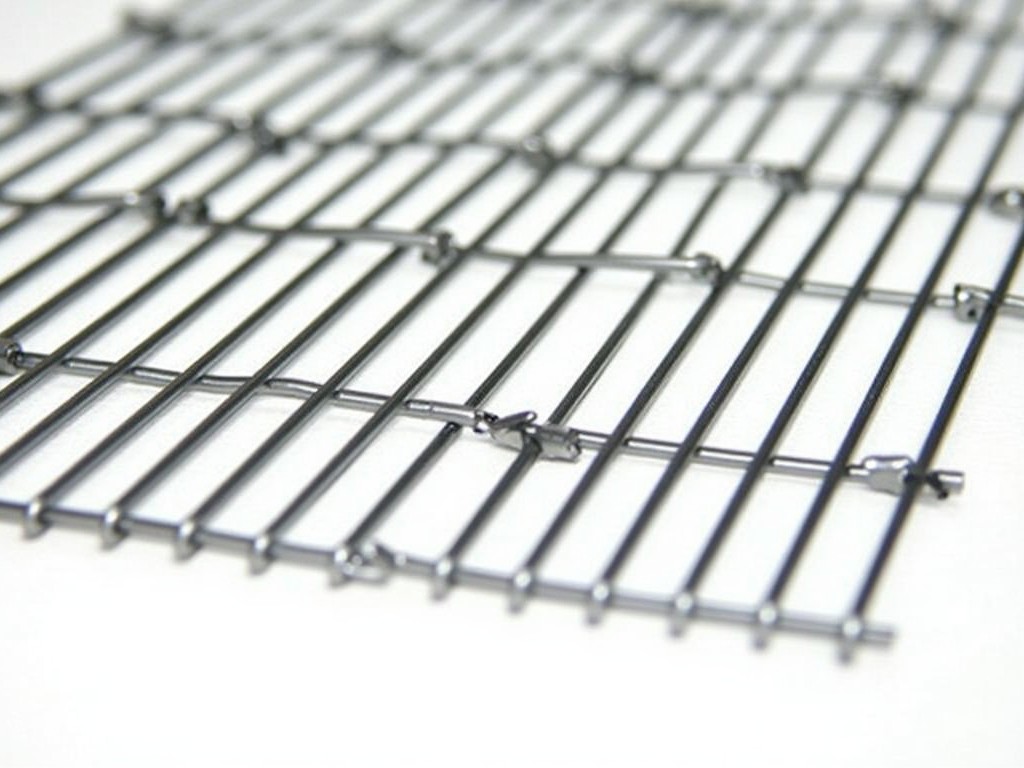
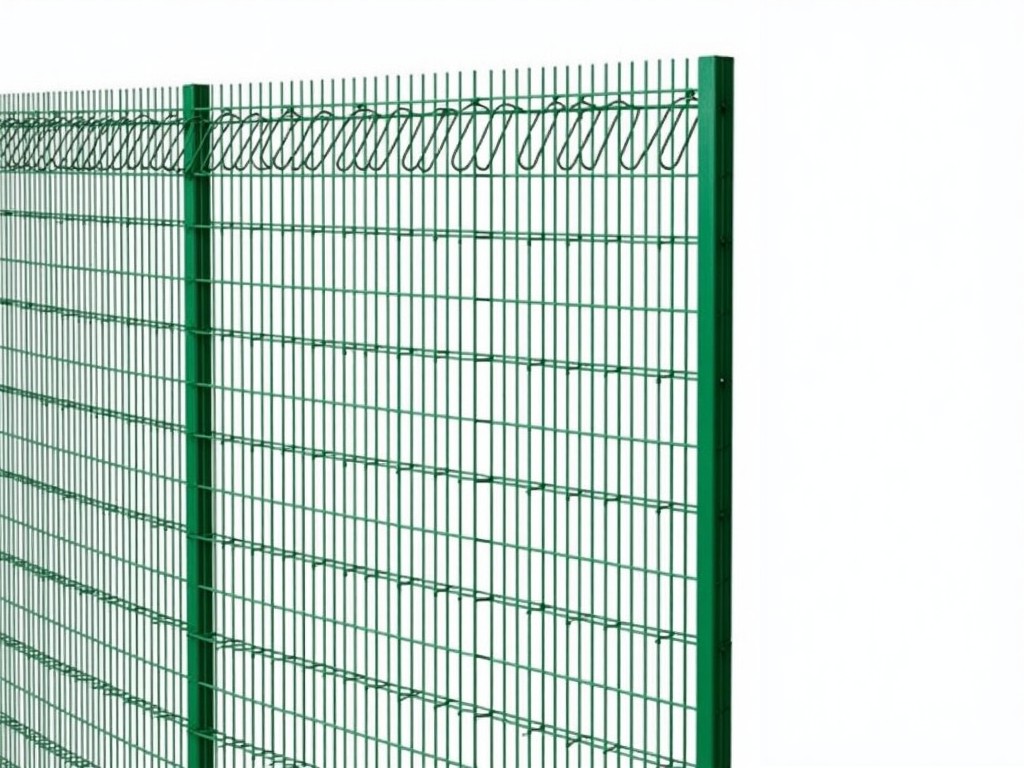
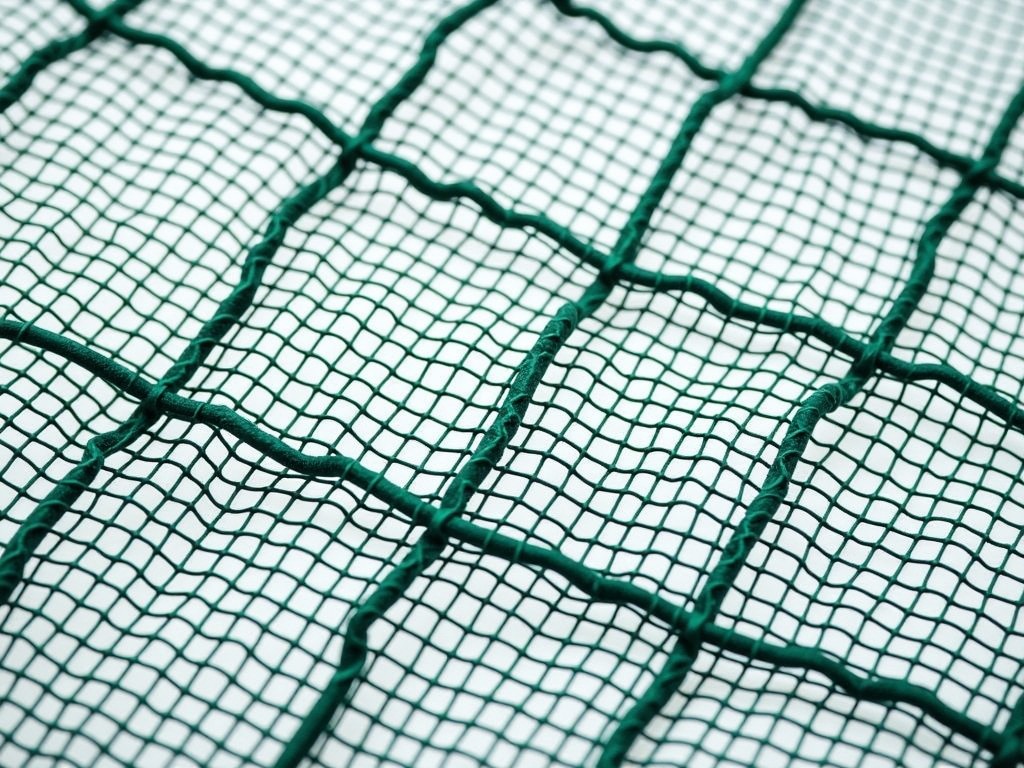
Safety mesh is a flexible barrier made from interlinked metal or polymer strands, designed to arrest falling personnel, contain debris, and delineate hazardous zones on construction sites. Key
Request a QuoteChina Safety Mesh For Construction Supplier
Safety mesh is a flexible barrier made from interlinked metal or polymer strands, designed to arrest falling personnel, contain debris, and delineate hazardous zones on construction sites.
Technical Characteristics
Key performance parameters are defined by wire diameter, opening size, tensile strength per unit width, and resistance to environmental exposure.
- Wire diameter: typically 2.0 mm to 4.0 mm for steel mesh; 1.5 mm to 3.0 mm for polymer‑coated variants.
- Opening size: ranges from 20 mm × 20 mm to 50 mm × 50 mm, selected based on fall‑arrest energy absorption and visibility requirements.
- Tensile strength per width: 5 kN/m to 15 kN/m for standard steel mesh; higher values achievable with reinforced edge tapes.
- UV stability: polymer coatings retain >80 % tensile strength after 1000 h UV exposure per ASTM G154.
- Weight per area: 0.8 kg/m² to 2.5 kg/m², influencing handling and support structure design.
Material Options
Selection of base material and surface treatment affects corrosion resistance, weight, and compatibility with specific site conditions.
| Material | Typical Coating | Corrosion Resistance (hours salt spray) | Weight (kg/m²) |
|---|---|---|---|
| Low‑carbon steel | Hot‑dip galvanized (Zn 55 µm) | 500 h | 1.2–1.8 |
| Stainless steel (AISI 304) | Passivated | >2000 h | 1.5–2.2 |
| Polymer‑coated steel | PVC or PE extrusion (0.5 mm) | 1000 h | 0.9–1.5 |
| High‑density polyethylene (HDPE) mesh | None (intrinsic UV stabilizer) | >3000 h (chemical) | 0.5–0.9 |
Applications in Construction
Safety mesh is deployed where fall protection, debris containment, or visual demarcation is required, directly influencing site safety planning.
When installed as a vertical barrier around open edges, the mesh arrests a falling worker by distributing impact energy across its tensile strands, reducing peak force transmitted to the harness.
For overhead work, horizontal mesh panels catch falling tools, bricks, or concrete fragments, preventing injury to personnel below and protecting equipment.
In excavation zones, mesh fencing delineates hazardous areas, providing a visible boundary that can be quickly erected and removed as work progresses.
Customization Logic
Mesh dimensions, edge treatment, and coating are tailored to match the structural support system and expected load conditions.
- Width: standard rolls 1.0 m to 2.5 m; custom widths up to 4.0 m available upon request.
- Length: supplied in 50 m or 100 m lengths; splice kits allow longer continuous runs.
- Edge options: plain cut, folded selvage, or reinforced PVC tape for increased tear resistance.
- Color: safety‑yellow, orange, or black for high visibility; custom colors achievable via pigment‑loaded coatings.
Quality Control & Testing
Consistent performance is verified through dimensional checks, mechanical testing, and coating adhesion audits before shipment.
- Opening size tolerance: ±2 mm measured on a calibrated gauge.
- Tensile test: ASTM F1881, minimum average strength per width as per specification.
- Coating adhesion: cross‑hatch test per ASTM D3359, rating 4B or better.
- Visual inspection: 100 % surface scan for broken wires, coating defects, or foreign inclusions.
Packaging & Shipping
Proper packaging prevents deformation, coating damage, and corrosion during transit and storage.
- Rolls are wound on a rigid core (Ø 150 mm) and wrapped in stretch film.
- Palletized stacks include corner protectors and moisture‑absorbing desiccant packets.
- For export, cartons are lined with VCI (volatile corrosion inhibitor) paper when steel mesh is supplied.
- Each pallet is labeled with product code, dimensions, batch number, and QR code linking to the test certificate.
Frequently Asked Questions
Yes. Width, length, opening size, and edge treatment are adjusted according to project drawings; custom tooling may incur a setup fee.
Project specifications including required width, length, opening size, material preference, coating type, edge treatment, and any applicable standards (e.g., EN 1263‑1, OSHA).
Each batch undergoes dimensional verification, tensile testing, coating adhesion checks, and 100 % visual inspection; test certificates are provided upon request.
Standard packaging includes stretch‑film wrapped rolls on cores, palletized with corner protectors and desiccant; export‑ready VCI‑lined cartons are available for steel mesh.
Lead time ranges from 10 to 25 working days depending on order size, material availability, and customization complexity; exact schedule is confirmed at quotation.