Factory Direct Mild Steel Grating Panels
Mild steel grating panels are load‑bearing flooring solutions fabricated from low‑carbon steel bars arranged in a rectangular grid and welded at each intersection. The open area typically ranges from
Request a QuoteFactory Direct Mild Steel Grating Panels
Product Overview
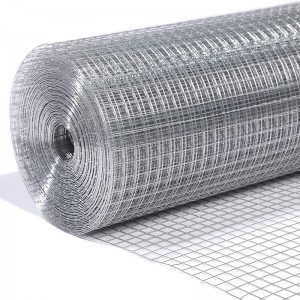
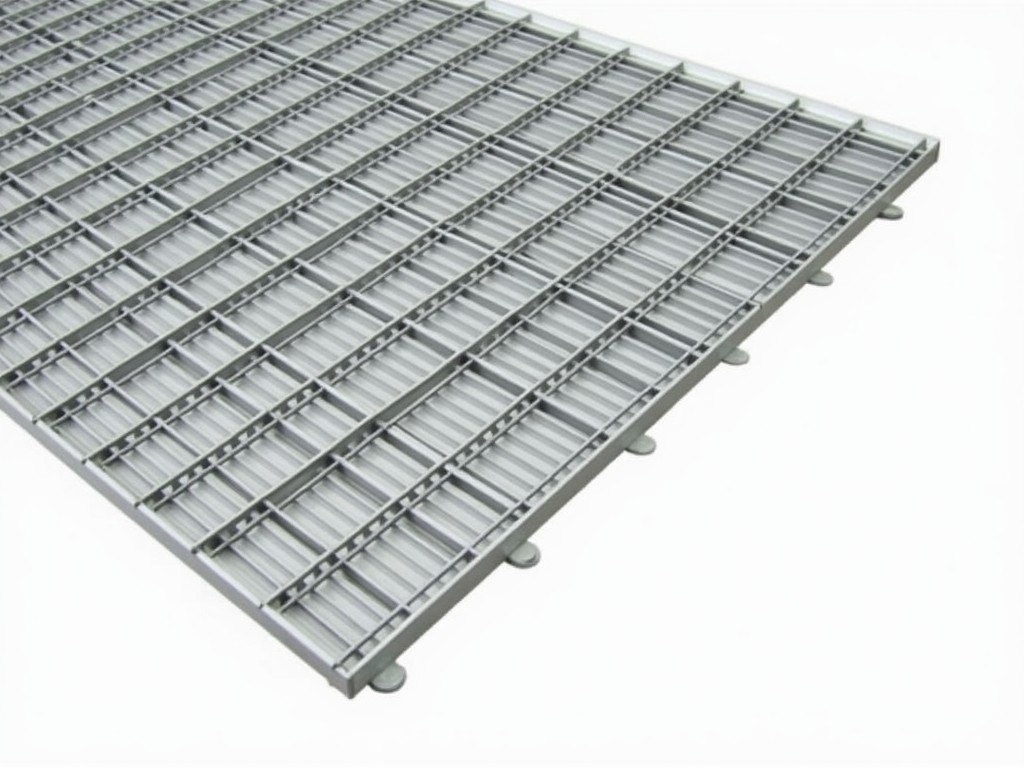
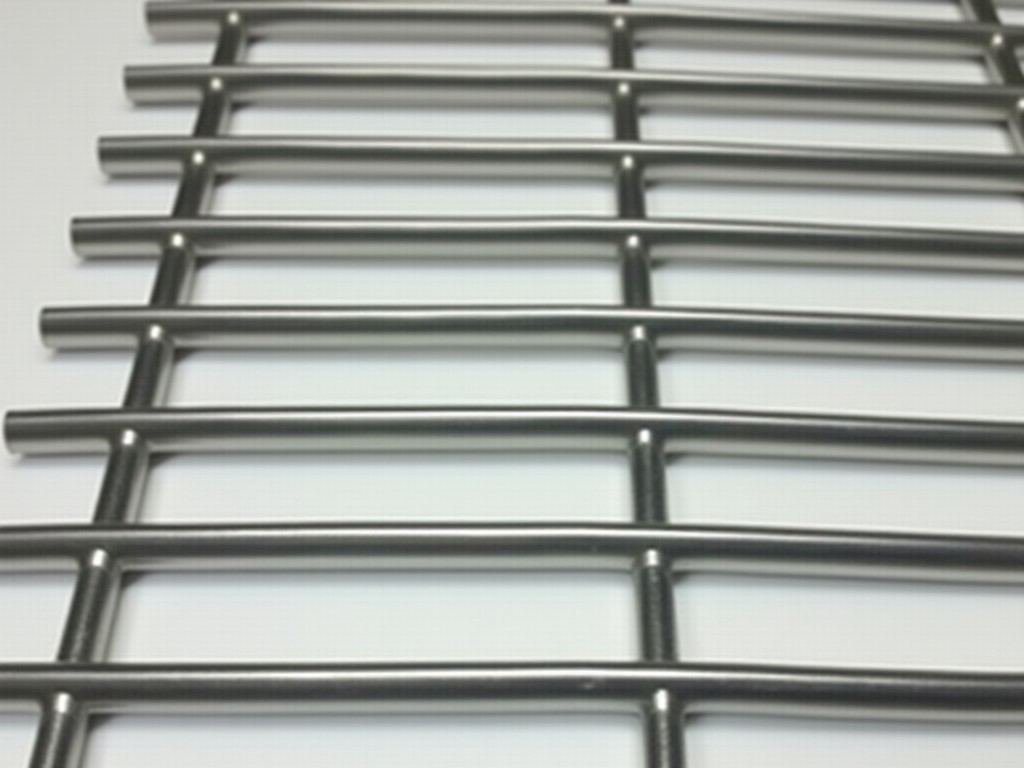
Mild steel grating panels are load‑bearing flooring solutions fabricated from low‑carbon steel bars arranged in a rectangular grid and welded at each intersection.
The open area typically ranges from 30% to 45% depending on bar thickness and spacing, allowing drainage, ventilation, and light transmission while maintaining structural integrity.
Material Specifications
The panels use Q235 mild steel with a minimum yield strength of 235 MPa and tensile strength between 370–500 MPa.
Bar thickness can vary from 20 mm to 50 mm, and bar width from 25 mm to 75 mm, selected based on required stiffness and span conditions.
Load‑Bearing Capacity & Deflection
Deflection under uniform load is limited to L/200 for serviceability, where L is the clear span.
| Bar Size (mm) | Spacing (mm) | Uniform Load Capacity (kN/m²) | Max Deflection (mm) at L=1000mm |
|---|---|---|---|
| 25×25 | 30 | 4.5 | 5.0 |
| 30×30 | 40 | 6.8 | 3.3 |
| 40×40 | 50 | 9.2 | 2.4 |
| 50×50 | 60 | 12.0 | 1.8 |
Manufacturing Process
Raw Q235 bars are cut to length, then resistance‑spot welded at each crossing point to form a rigid grid.
After welding, panels undergo shot‑blasting to remove scale, followed by a hot‑dip galvanizing coating (minimum 60 µm zinc) for corrosion resistance.
Standard Dimensions & Customization
Standard panel widths are 1000 mm and 1200 mm, with lengths up to 6000 mm in 100 mm increments.
Custom options include variable bar profiles, staggered spacing, edge plates for frame integration, and slip‑resistant serrated surfaces.
- Bar thickness: 20 mm – 50 mm
- Bar width: 25 mm – 75 mm
- Open area: 30% – 45%
- Length: up to 6000 mm
- Width: 1000 mm or 1200 mm (custom)
Applications
In heavy‑duty walkways and maintenance aisles, the grating’s high open area prevents fluid accumulation, reducing slip hazards while supporting frequent foot traffic and light cart loads.
For elevated platforms supporting machinery, the grid distributes point loads across multiple bars, limiting localized deflection and providing a stable base for equipment installation.
In drainage trenches and sump covers, the open pattern allows rapid water runoff while retaining sufficient strength to withstand occasional vehicle overrun.
Quality Assurance
Each panel is visually inspected for weld continuity, ensuring no missed spots or excessive spatter that could weaken the joint.
Dimensional tolerances are verified against the drawing: bar spacing ±2 mm, overall length ±5 mm, and width ±3 mm.
Coating thickness is measured with a magnetic gauge on at least five random points per batch, confirming compliance with the specified 60 µm minimum zinc layer.
Packaging & Shipping
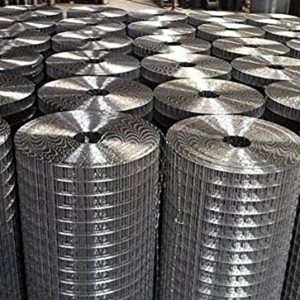
Panels are bundled in groups of five, separated by corrosion‑inhibiting paper, and secured with steel straps to prevent shifting during transit.
Each bundle is placed on a pallet, wrapped in stretch film, and labeled with part number, quantity, and heat‑number for traceability.
For export, pallets are fitted with corner protectors and loaded into 20‑foot containers using a forklift, ensuring the panels remain dry and undamaged.
Frequently Asked Questions
- Can dimensions be customized? Yes, bar size, spacing, panel length, and width can be adjusted to project requirements.
- What information is needed for a quotation? Provide required load rating, span, bar dimensions, open area percentage, and any surface treatment preferences.
- Which materials are available? Standard is Q235 mild steel; alternative grades such as Q345 or stainless steel are offered upon request.
- How is quality inspected? Visual weld check, dimensional verification, and coating thickness measurement are performed on every batch.
Get a Quote
To receive a detailed proposal, share your project’s load specifications, span length, and preferred panel size with our technical team.
We will respond with a formal quotation, lead time, and any additional customization options within one business day.