Steel Wire Mesh Welded Wire Mesh Construction Site Wall Use
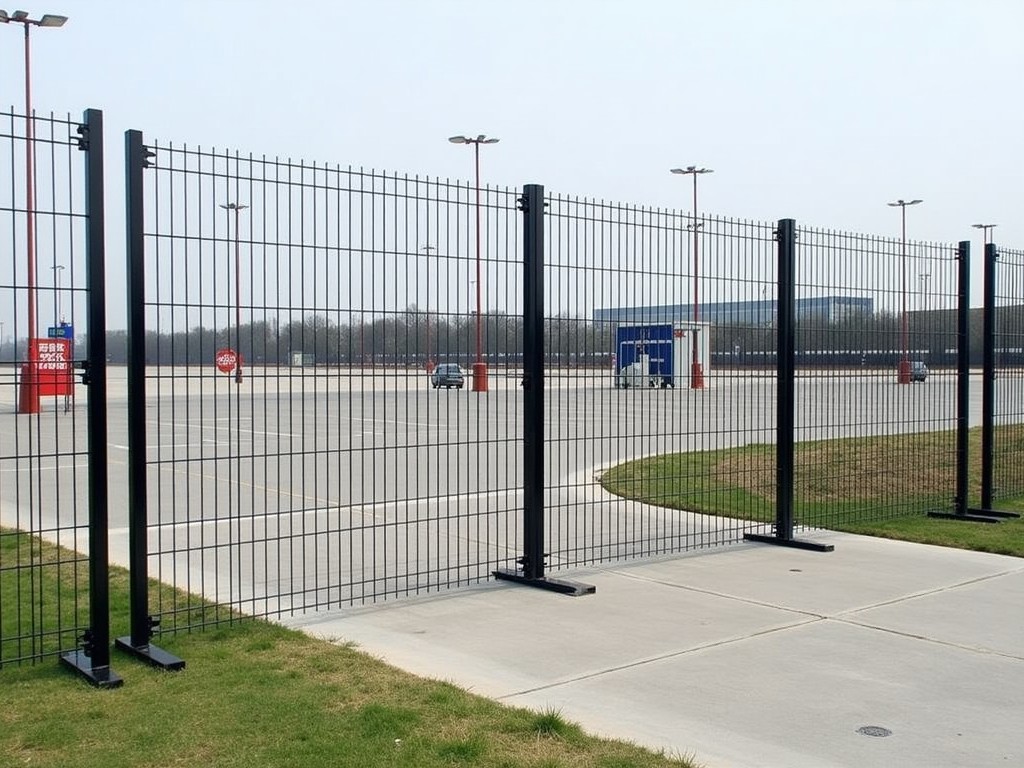
Steel Welded Wire Mesh for Construction Site Wall Use Common Product SpecificationsPlastic-Impregnated Wire Warp3.5–8mmMesh Hole60mm x 120mm with double-sided wire wrapPanel Dimensions2300mm x
Request a Quote
| Common Product Specifications | |
| Plastic-Impregnated Wire Warp | 3.5–8mm |
| Mesh Hole | 60mm x 120mm with double-sided wire wrap |
| Panel Dimensions | 2300mm x 3000mm |
| Upright Column | 48mm x 2mm steel pipe with dipping treatment |
| Accessories | Rain cap, connection card, anti-theft bolt |
| Connection Method | Card connection |
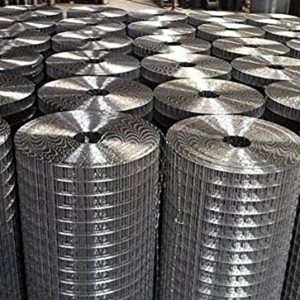
Welded wire mesh specifications vary across different industries. Key examples include:
● Construction industry: Fine-gauge welded mesh is primarily used for wall insulation and anti-cracking. Internal (and external) walls are plastered with mesh attached. Common mesh sizes are 1/4 inch, 1 inch, and 2 inches. Inner wall insulation mesh wire diameter: 0.3–0.5mm; outer wall insulation: 0.5–0.7mm.
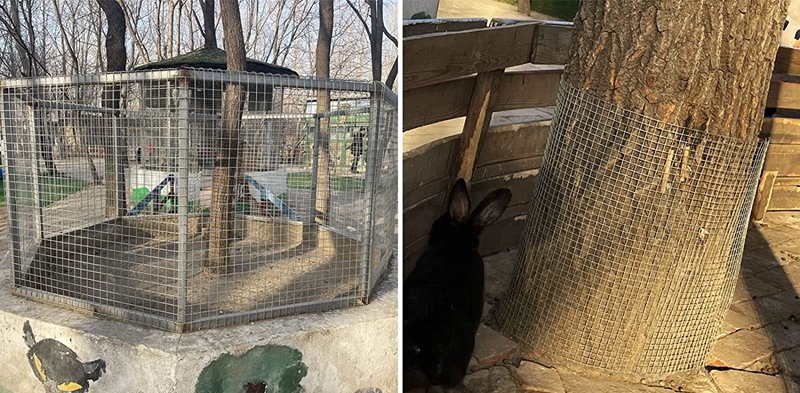
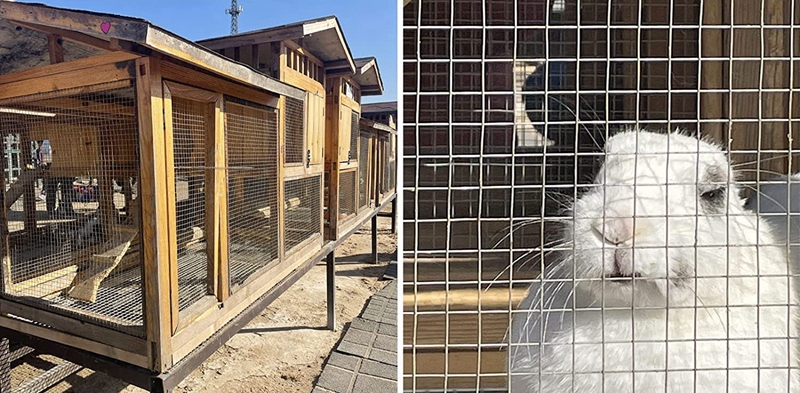
● Breeding industry: Enclosures for foxes, minks, chickens, ducks, rabbits, pigeons, and other poultry typically use 2mm wire diameter with a 1-inch mesh. Custom specifications are available on request.
● Agriculture: For crop enclosures, welded mesh is formed into circular pens to hold corn (commonly called corn netting), offering excellent ventilation and space efficiency. Wire diameter used here is relatively thick.
● Industry: Used for filtration and isolation fencing in industrial settings.
● Transportation industry: For road construction and roadside barriers, plastic-impregnated welded wire mesh with associated accessories is used, including welded mesh guardrails.
● Steel structure industry: Primarily employed as a lining for thermal insulation cotton on roofs. Common mesh sizes are 1 inch or 2 inches, with wire diameter around 1mm and widths from 1.2 to 1.5 meters.
Our prices are subject to change depending on supply and other market factors. We will send you an updated price list after your company contacts us for further information.
Yes, we require a minimum order quantity for all international orders. If you are looking to resell but in much smaller quantities, we recommend you check our website for available options.
Yes, we can provide most documentation including Certificates of Analysis or Conformance, insurance, certificates of origin, and other export documents as required.
For samples, the lead time is approximately 7 days. For mass production, the lead time is 20–30 days after receiving the deposit payment. Lead times become effective once we have received your deposit and have your final approval on the products. If our lead times do not align with your deadline, please discuss your requirements with your sales representative. We will always try to accommodate your needs, and in most cases, we are able to do so.
You can make payment via bank transfer, Western Union, or PayPal.
Typical terms: 30% deposit in advance, 70% balance against a copy of the Bill of Lading.
We warranty our materials and workmanship. Our commitment is your satisfaction with our products. Whether in warranty or not, it is part of our company culture to address and resolve all customer issues to everyone’s satisfaction.
Yes, we always use high-quality export packaging. We also use specialized hazard packaging for dangerous goods and validated cold storage shippers for temperature-sensitive items. Specialist packaging or non-standard packing requirements may incur an additional charge.
The shipping cost depends on the method you choose. Express is usually the fastest but also the most expensive option. Sea freight is the best solution for large quantities. Exact freight rates can only be provided once we know the details of quantity, weight, and shipping method. Please contact us for further information.